Safety · Preparedness
Build an Emergency Plan for Living in Thailand
Emergency planning is not fear; it is deciding who calls, where you go, how you pay, and what information is available when you cannot explain it.
Reviewed July 31, 2026 · Later factual updates are dated within the guide
In this guide
An emergency plan should be available without relying on one phone or cloud account. It should cover medical events, lost documents, fire, flooding, severe weather, financial lockout, and urgent departure.
Last reviewed: July 31, 2026. Emergency numbers and services can change; confirm local hospital and provincial contacts where you live.
Save the core numbers
- 191: police emergency
- 199: fire
- 1669: public emergency medical services
- 1155: Tourist Police assistance
- your preferred hospital’s direct emergency number
- insurer or assistance-company emergency line
- property management, landlord, and one nearby trusted person
- embassy or consulate contact
These core numbers were checked September 7, 2026 against Thai government emergency contacts and UK government Thailand emergency guidance. Keep the address of your building in Thai alongside the numbers.
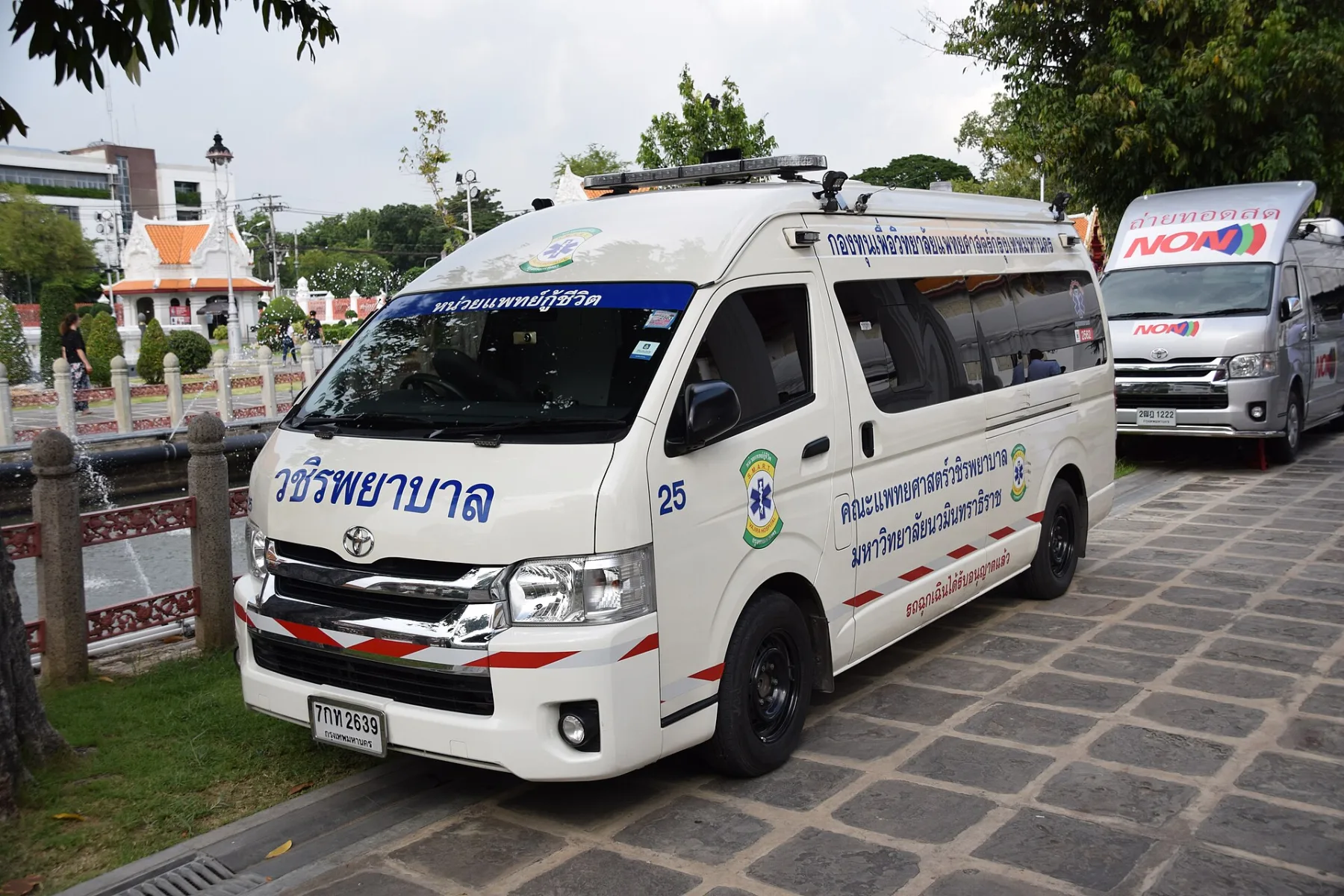
Calling 1669 connects to Thailand’s emergency medical system. Response and transport conditions vary by location, traffic, weather, and available resources. A nearby hospital’s direct line can also be valuable, especially when your insurer specifies a network.
Make a one-page medical sheet
Include your legal name, passport number, date of birth, allergies, diagnoses, medications and doses, blood type if confirmed, insurer and policy number, preferred hospital, emergency contacts, and key doctor.
Keep one copy in your wallet or bag, one at home, and one with a trusted contact. Translate critical allergies or conditions into Thai with professional help. Do not put full financial account credentials on the sheet.
Plan for living alone
Agree on a check-in routine with someone local. Give one trusted person building access instructions and the location of documents, medication, and your advance-care information. Set the phone’s emergency-contact and medical-ID features so they can be read without unlocking everything.
If a pet depends on you, add a visible pet-alert card and a named temporary caregiver.
Money and document failure
Keep two payment cards from different institutions, a modest amount of cash, encrypted document copies, and paper copies of the passport identity page, visa, insurance, and emergency contacts.
Record the process for cancelling cards and replacing a passport. Enroll in the U.S. Smart Traveler Enrollment Program if eligible so the embassy can send relevant safety information.
Weather, fire, air, and evacuation
Know two ways out of the building and neighborhood. Photograph exits rather than assuming you will remember them in smoke. Learn where the nearest higher ground is if your area floods. Keep shoes, light, power bank, medication, water, and copies together.
In northern Thailand, severe PM2.5 can be a health emergency for vulnerable people. On islands, weather may interrupt boats or flights. In any province, follow official warnings and local instructions rather than social-media rumor.
The leave-tomorrow folder
Prepare:
- passport and immigration documents
- seven to fourteen days of essential medication when lawful
- insurance details and medical summary
- two payment methods and emergency cash
- charger, power bank, and backup authentication method
- one change of clothing and basic hygiene items
- pet papers and carrier if relevant
- a written destination and transport alternative
Review it every six months and after changing a phone, medication, insurer, address, or passport.
Practice the plan
Call the hospital’s non-emergency number to confirm language support and location. Walk the evacuation route. Make sure a contact can find the medical sheet. Test the power bank and security key. A plan that has never been tested is a theory.
Sources
- National Institute for Emergency Medicine: 1669
- Tourist Police Bureau
- U.S. Smart Traveler Enrollment Program
- U.S. State Department Thailand information
Editorial disclaimer: This is general preparedness information, not emergency, medical, or legal advice. Contact local emergency services in an active emergency.