Cost of living · Bangkok
Bangkok Cost of Living in 2026
Use planning ranges for housing, transport, food, utilities, healthcare, and irregular expenses, then verify them against your household.
Reviewed July 31, 2026 · Sources and price checks listed below
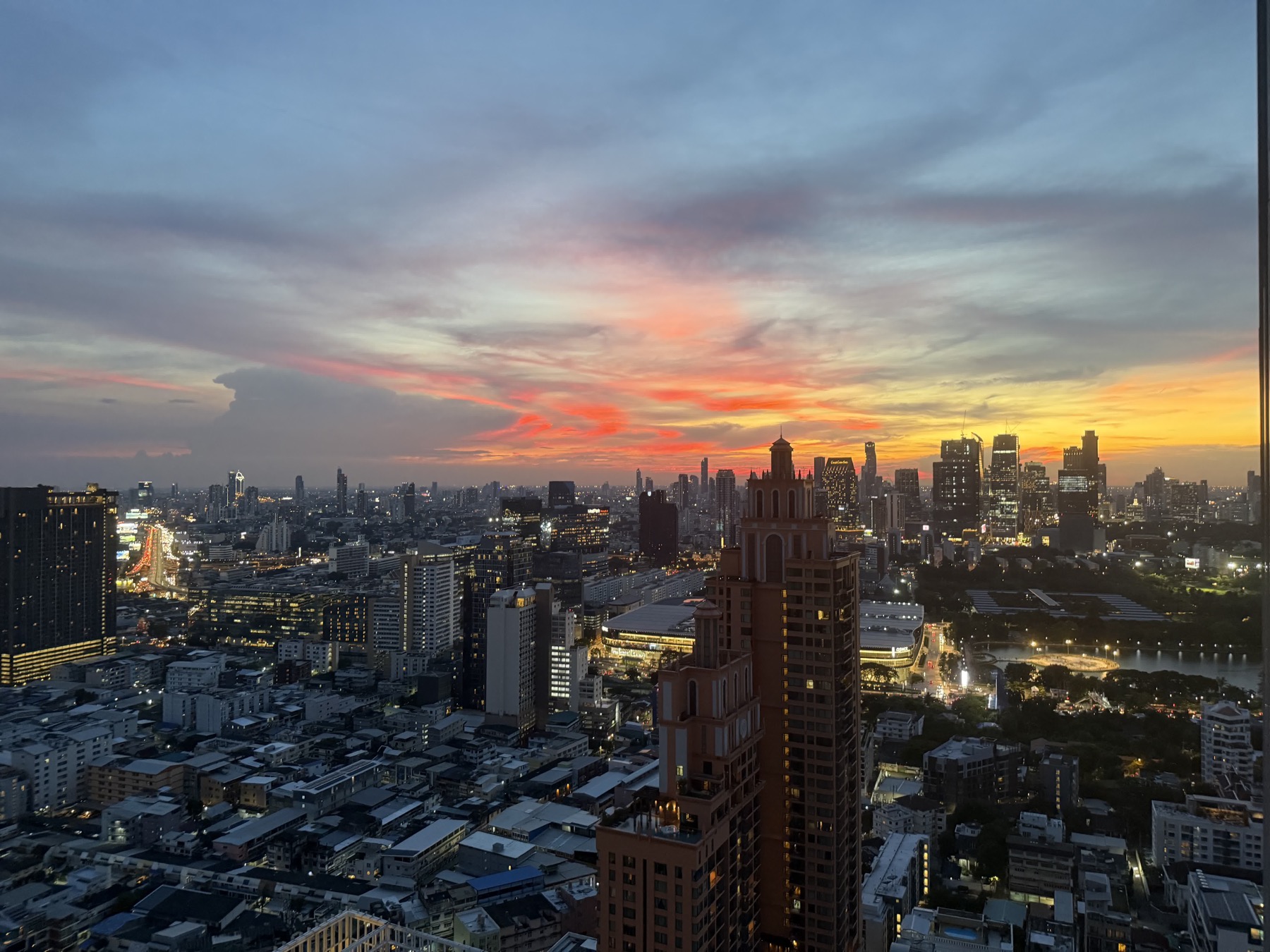
Bangkok living costs vary by housing location and standard, transport, food, utilities, healthcare, travel, and household size.
A small older condominium farther from rail is not comparable with a modern one-bedroom beside a central station. Lower rent may also add motorcycle, taxi, and travel-time costs.
Build the budget around the housing and routine you expect to use.
This article expands the first question in our broader guide, 14 Questions to Ask Before Retiring or Living Long Term in Thailand: How much money do you realistically need each month?
Healthcare, visas, taxes, property ownership, and banking matter. The linked planning guides address them separately because forcing everything into one monthly number creates the same misleading answer we are trying to avoid. This article focuses on ordinary life in Bangkok.
The realistic answer
For readability, the planning ranges below are shown in U.S. dollars using 34 baht to $1. That is a planning convention, not a prediction. Your rent and most of your daily expenses will be charged in baht, while your income may remain in dollars. Leave room for the exchange rate to move against you.
| Bangkok lifestyle | Realistic monthly range |
|---|---|
| Constrained single-person floor | $1,320–$1,620 |
| Budget-conscious but sustainable single person | $1,760–$2,350 |
| Comfortable single person in a connected area | $2,500–$3,530 |
| Comfortable single person in Chidlom, Thonglor, or another prime area | $3,240–$4,710+ |
| Comfortable couple | $3,820–$5,600 |
| Family needing two or three bedrooms | $5,900–$10,300+ |
These are planning ranges, not promises. A disciplined person can spend less. Someone who wants premium housing, nightlife, imported food, frequent travel, a car, or a larger home can spend much more.
The ranges show the assumptions behind different monthly totals.
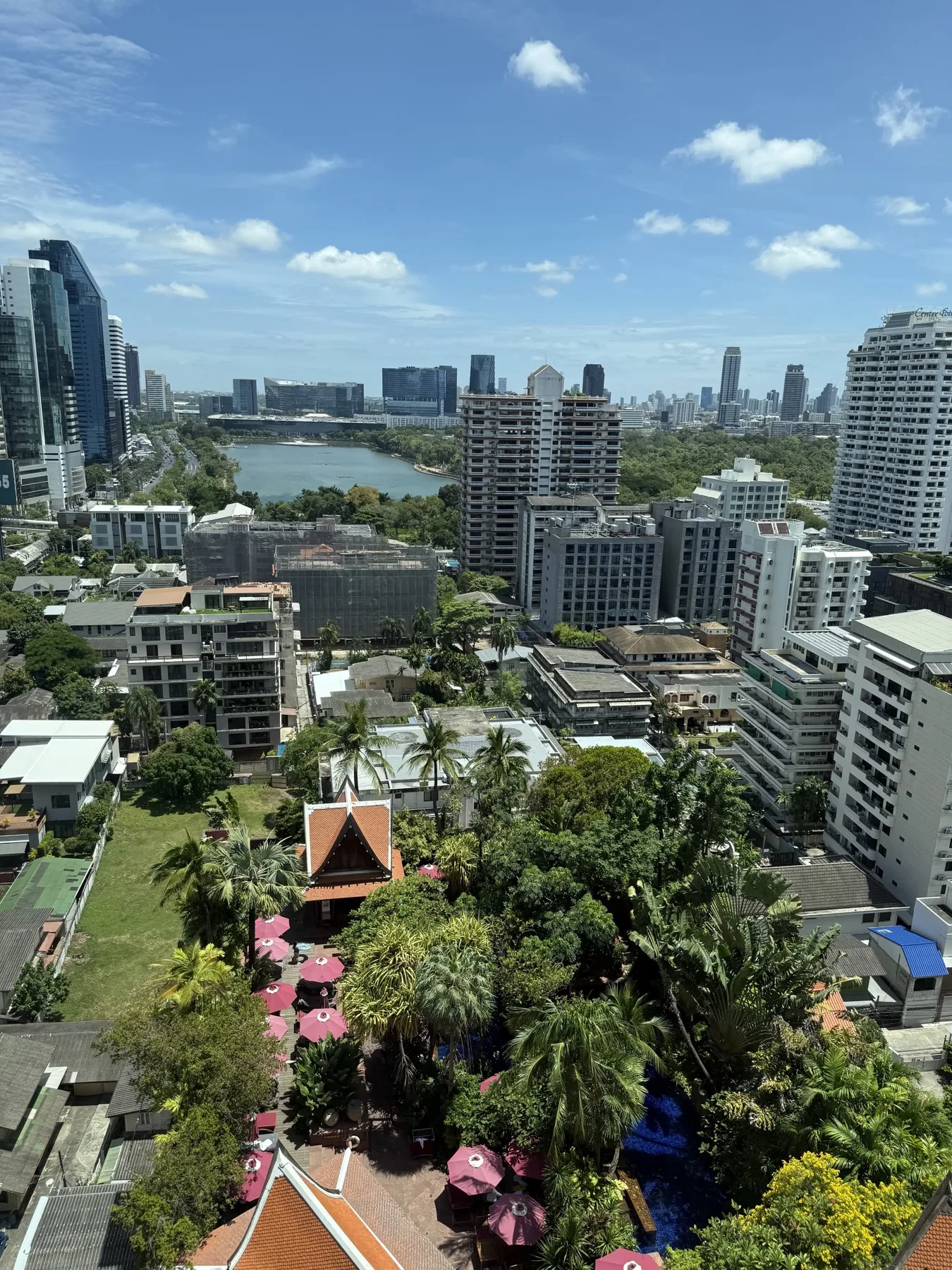
What a constrained budget requires
A single person can live in Bangkok for less than $1,320 per month. Thai workers, students, and long-term foreign residents do it every day.
That amount may not be a suitable planning target for an American retiree or professional with different housing standards, food preferences, transportation habits, and reserves.
A realistic foreign-resident floor of approximately $1,320 to $1,620 per month probably means an older studio or compact one-bedroom, an outer or inconvenient location, limited Grab use, mostly local food, careful electricity use, few imported groceries, little domestic travel, and limited room for financial surprises.
You may find a condo for $295. That does not mean your complete Bangkok budget is $735.
The building may be far from the station. The room may be 25 square meters. The kitchen may barely qualify as a kitchen. You may need a motorcycle taxi whenever you leave. You may spend more time and money reaching the Bangkok you thought you were moving to.
This range is restrictive and should not be presented as the standard cost of a comfortable Bangkok life.
Rent is not one number
Housing will usually be the largest monthly expense, and Bangkok’s rental market changes dramatically according to neighborhood, distance from the BTS or MRT, building age, unit size, furnishing quality, building management, lease length, and whether the property is genuinely walkable.
Listings also contain duplicate units, stale advertisements, promotional prices, and unusually cheap properties that may have obvious drawbacks once viewed. That is why a citywide average is not enough.
These ranges assume a furnished unit and generally a one-year lease. They are intended for planning, not as a claim that every unit in the neighborhood falls inside the range.
| Area | Studio or compact | 1 bedroom | 2 bedroom | 3 bedroom |
|---|---|---|---|---|
| Chidlom, CentralWorld and Langsuan | $735–$1,320 | $880–$1,760 | $1,620–$3,530 | $2,500–$5,900+ |
| Asoke | $590–$1,030 | $825–$1,470 | $1,470–$2,650 | $2,650–$4,710+ |
| Phrom Phong | $590–$1,030 | $880–$1,620 | $1,470–$2,940 | $2,650–$5,300+ |
| Thonglor | $590–$1,030 | $880–$1,620 | $1,320–$2,650 | $2,650–$5,600+ |
| Ekkamai | $530–$880 | $735–$1,320 | $1,180–$2,210 | $2,060–$3,820+ |
| Sathorn | $530–$940 | $735–$1,470 | $1,320–$2,650 | $2,210–$4,710+ |
| Charoen Krung and Soi Nana–Chinatown | $380–$705 | $530–$1,120 | $880–$1,910 | Limited and highly variable |
| On Nut | $355–$530 | $470–$735 | $645–$1,320 | $1,030–$1,910 |
| Ari | $470–$735 | $645–$1,120 | $1,030–$1,760 | Limited and variable |
| Rama 9 and Ratchada | $380–$645 | $530–$880 | $880–$1,470 | $1,320–$2,350 |
| Udom Suk and Bang Na | $295–$500 | $410–$705 | $645–$1,180 | $1,030–$1,910 |
These numbers are not interchangeable. A $590 one-bedroom in On Nut and a $1,620 one-bedroom in Chidlom may both be rational choices. They simply purchase different combinations of location, convenience, building quality, and lifestyle.
Chidlom and CentralWorld: convenience has a price
Chidlom is sometimes left out of Bangkok cost comparisons because it does not carry the same foreign nightlife identity as Thonglor or Asoke. That is a mistake.
The Chidlom, Ratchaprasong, and Langsuan area is one of Bangkok’s most convenient central districts. Residents can walk or use connected skywalks to reach CentralWorld, Central Chidlom, Siam, restaurants, offices, hotels, supermarkets, and the BTS.
That convenience is exactly what the rent reflects. Older buildings can still offer reasonable space for the area, especially compared with newer luxury towers. But newer projects near Chit Lom BTS, Langsuan Road, and CentralWorld are firmly in the premium market.
A renter should generally plan around $880 to $1,180 for an older or smaller one-bedroom, $1,320 to $1,760 for a good modern one-bedroom, and $1,620 to $2,940 or more for a two-bedroom.
The advantage is that a resident may spend less time and money crossing the city. The disadvantage is obvious. You pay for the privilege before leaving the condo.
Thonglor: the neighborhood can change the rest of your budget
Thonglor charges for habits as readily as it charges for rent.
The neighborhood contains high-end restaurants, cocktail bars, cafés, imported grocery options, nightlife, private medical facilities, and services aimed at wealthier Thai and international residents.
A person can rent in Thonglor and live carefully. But living there makes spending easy. That matters.
A realistic Thonglor budget should account for more than the condo: motorcycle taxis along Sukhumvit Soi 55, Grab rides when traffic or weather makes walking impractical, more frequent restaurant spending, premium grocery shopping, social spending, and higher expectations for the building itself.
A small unit farther from the BTS may still appear around $590 to $880. A good one-bedroom in the part of Thonglor many foreign residents actually want is more likely to fall around $880 to $1,620. New luxury buildings can go much higher.
Thong Lo can provide a convenient central Bangkok lifestyle, but its housing and discretionary costs do not fit a constrained city-center budget.
Sathorn: central, professional, and more varied than it looks
Sathorn is often described as one expensive central business district. That is only partly true. The area includes premium towers and serviced residences near Lumphini, Chong Nonsi, and the river, but also older apartments and quieter residential streets where rents can be materially lower.
A realistic one-bedroom range is approximately $735 to $1,470. Older or less ideally positioned units can fall below that range, while newer buildings near rail stations or Lumphini Park can rise well beyond it. Two-bedrooms commonly require roughly $1,320 to $2,650, with luxury buildings climbing much higher.
The station matters. Living near Chong Nonsi, Saint Louis, Sala Daeng, or Lumphini can make daily travel simple. Living deeper inside a soi may mean motorcycle taxis, long walks in the heat, or frequent Grab rides. A Sathorn address alone does not tell you whether the location is convenient.
Sathorn can be good value for someone who works nearby, prefers a more residential atmosphere than lower Sukhumvit, or wants access to Silom, the river, and central hospitals. It can be poor value for someone paying central rent while repeatedly crossing the city for everything they enjoy.
Charoen Krung and Soi Nana–Chinatown: character, food, and older housing stock
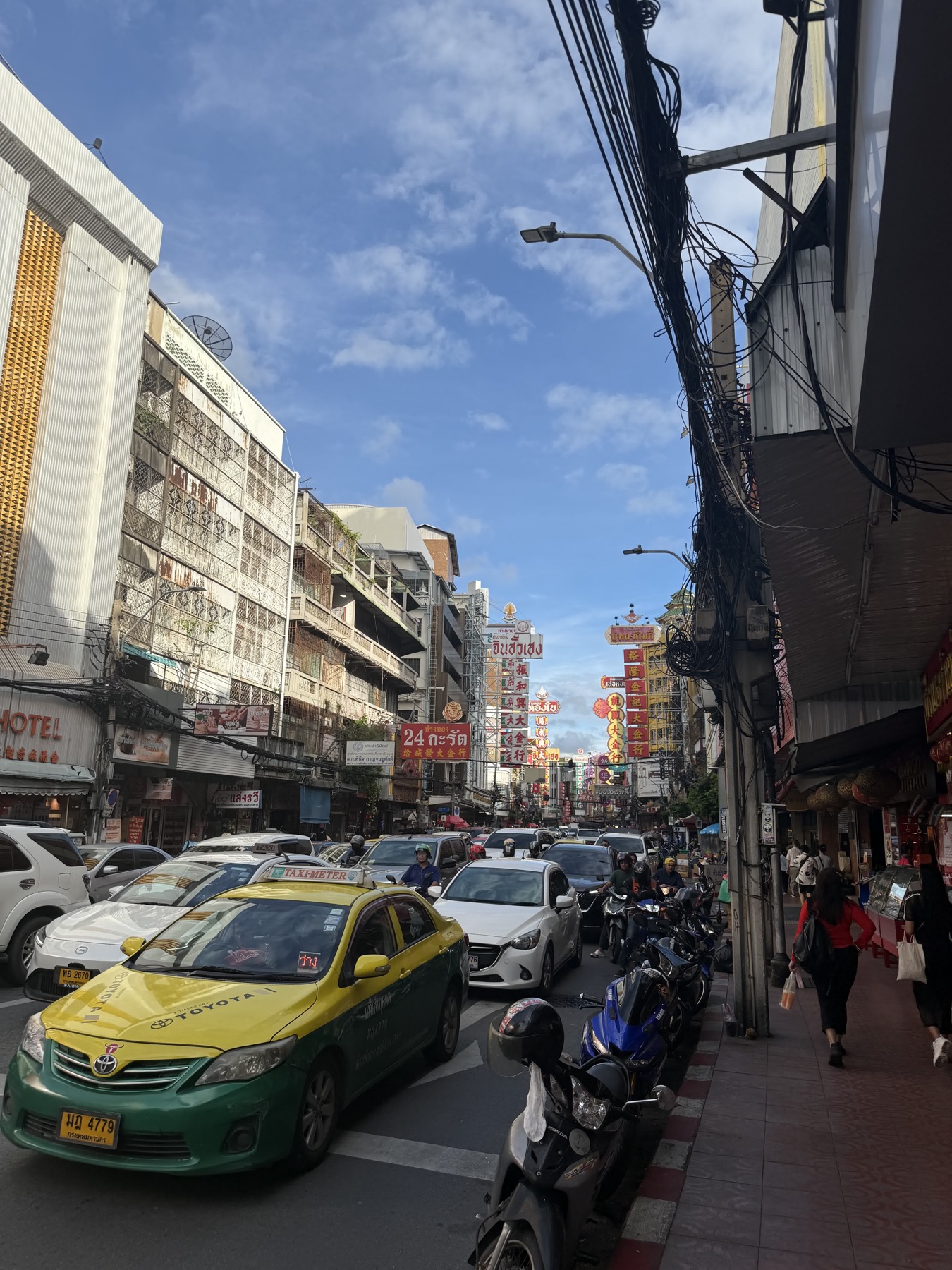
This is not Sukhumvit’s Nana. The Soi Nana discussed here is the small creative and nightlife pocket near Chinatown, Hua Lamphong, and the older Charoen Krung corridor.
The area attracts people who value historic shophouses, independent restaurants and bars, street food, galleries, river access, and a more textured neighborhood than a new condominium district. Housing is less standardized. You may find an older apartment, a renovated shophouse, a small modern condo, or a beautiful unit with compromises that would be unusual in a newer Sukhumvit building.
Studios and compact units may fall around $380 to $705. A usable one-bedroom often requires approximately $530 to $1,120, while renovated, larger, or architecturally distinctive properties can cost more. Two-bedroom inventory is thinner and may range broadly from $880 to $1,910.
Transport depends on the exact address. Hua Lamphong MRT makes some locations practical, while other parts of Charoen Krung depend more heavily on buses, taxis, boats, or long walks. The neighborhood can reduce food and entertainment costs for someone whose habits match the area. It can add transportation expense for someone who spends most days along Sukhumvit.
The cheaper rent buys access to a particular kind of Bangkok life. If that is the life you want, the tradeoff may be worthwhile. If you expect a new tower beside the BTS, it is the wrong comparison.
On Nut: better value, but not one uniform market
On Nut is often described as the point where central Sukhumvit ends and better value begins. That is broadly true. It is also too simple.
Living directly beside On Nut BTS is different from living deep inside Sukhumvit Soi 77. Living near Century or Lotus’s is different from living in a development requiring a motorcycle taxi every time you use the train.
Current one-bedroom listings around On Nut frequently fall between $470 and $735. Smaller or older properties can be cheaper. Larger one-bedrooms, serviced properties, and newer buildings can exceed that range. Two-bedrooms commonly begin around $645 to $735 with better or larger units moving toward $1,180 to $1,620.
On Nut offers direct BTS access, lower rent than prime Sukhumvit, local markets and affordable food, large supermarkets, a substantial foreign-resident community, and more modern condo inventory than many readers expect.
But the exact building matters. Saving $175 on rent is less impressive when the unit is far down the soi and requires daily motorcycle taxis, longer travel time, and frequent Grab rides.
On Nut is often good value. That does not mean every On Nut condo is a good decision.
Cheap rent can create an expensive commute
Transportation is where many Bangkok budgets quietly fall apart. Someone finds a condo for $145 less per month and assumes they saved $145.
But the condo is 1.5 kilometers from the station. That means a motorcycle taxi in the morning and another at night. The train ride is longer. Trips to restaurants, appointments, shopping centers, and friends require additional rail travel or a taxi home.
The rent is cheaper. The life may not be.
| Transportation pattern | Monthly range |
|---|---|
| Mostly walking with occasional rail use | $45–$90 |
| Regular BTS or MRT use | $75–$130 |
| Rail plus frequent motorcycle taxis | $105–$190 |
| Regular Grab and taxi use | $175–$440+ |
| Frequent cross-city travel | $295–$590+ |
Do not compare rents without comparing the transportation required by those rents.
Paying more to live near the correct station may lower total spending and materially improve daily life. Paying less for a condo you resent leaving is not necessarily a bargain.
Food can be cheap. Your food may not be.
Bangkok has inexpensive food everywhere. That statement is true. It is also incomplete.
A local dish may cost about $2 to $4. Someone eating local meals, cooking simple food, and rarely drinking can keep food spending low. Someone buying cheese, beef, berries, imported cereal, supplements, wine, craft beer, and familiar American brands will not have the same experience.
Neither person is wrong. They have different budgets.
| Food pattern | Monthly range per adult |
|---|---|
| Local-first and tightly controlled | $355–$530 |
| Mixed Thai food, groceries, and Western meals | $590–$880 |
| Frequent delivery and restaurant dining | $880–$1,320 |
| Imported groceries, premium restaurants, and regular alcohol | $1,320–$1,910+ |
Food delivery deserves separate attention. A meal that appears to cost about $4 can become $6 or more after platform pricing, delivery charges, minimum-order fees, and drinks.
A few beers at home is one number. Cocktails in Thonglor, rooftop bars near Chidlom, imported wine, and regular nights out are another. Do not build a budget around habits you do not intend to follow.
Utilities: air conditioning is not free
Electricity is the largest variable household utility in Bangkok. For a single person in a modest condo, electricity may fall around $45 to $105 per month. A larger unit, working from home, running several air conditioners, or keeping the bedroom cold throughout the night can push the bill much higher.
| Expense | Single person | Couple or larger unit |
|---|---|---|
| Electricity | $45–$120 | $90–$235+ |
| Water | $5–$10 | $5–$20 |
| Home internet | $15–$25 | $15–$35 |
| Mobile service | $10–$30 | $20–$60 |
| Total | $70–$185 | $125–$345+ |
Check how the building bills electricity before signing. A condo with a direct utility meter should follow the regulated structure. Some apartments and serviced residences charge a higher internal rate.
A cheap room with marked-up electricity becomes considerably less cheap once the air conditioner starts running.
The small expenses are not actually small
Cost-of-living articles often cover rent, food, and transportation, then act as though the rest of life does not exist.
But people wash clothes. They replace towels. They pay for streaming services. They go to the barber. They order drinking water. They buy kitchen supplies. They occasionally hire a cleaner. They replace a charger that mysteriously stopped working.
None of these expenses will destroy a budget alone. Together, they matter.
| Everyday expense | Monthly planning range |
|---|---|
| Laundry | $15–$45 |
| Cleaning | $30–$90 |
| Household supplies and toiletries | $45–$105 |
| Haircuts and personal care | $15–$90 |
| Subscriptions and memberships | $15–$90 |
| Miscellaneous purchases | $60–$175+ |
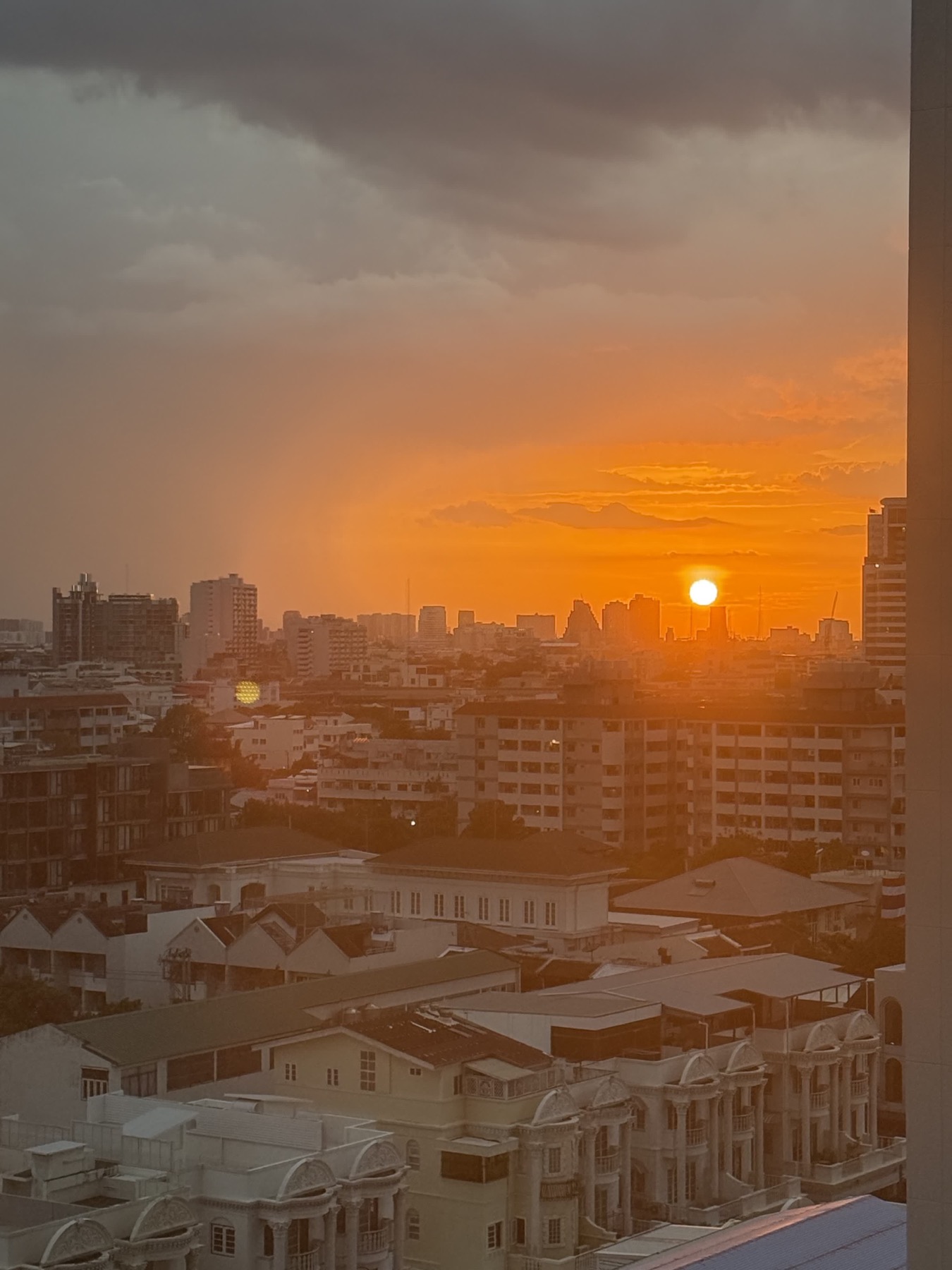
What different Bangkok budgets actually buy
1. The constrained floor: $1,320 to $1,620
This budget usually means a smaller or older home, a location outside prime central Bangkok, and more deliberate choices about convenience.
| Category | Monthly amount |
|---|---|
| Rent | $355–$470 |
| Utilities and communications | $90–$120 |
| Food | $410–$530 |
| Transportation | $90–$145 |
| Household and personal spending | $90–$145 |
| Entertainment | $60–$120 |
| Buffer | $120–$175 |
This can work for someone disciplined, debt-free, and satisfied with a modest lifestyle. It leaves little room for repeated surprises. A person relying on this budget should not confuse “I made it through the month” with “my long-term plan is secure.”
2. Budget-conscious but sustainable: $1,760 to $2,350
This is a more responsible range for a single person who wants a decent condo, regular transportation, mixed Thai and Western food, occasional entertainment, and some breathing room.
| Category | Monthly amount |
|---|---|
| Rent | $530–$735 |
| Utilities and communications | $105–$145 |
| Food | $530–$735 |
| Transportation | $120–$175 |
| Household and personal spending | $120–$175 |
| Entertainment | $145–$235 |
| Buffer | $145–$235 |
This range can support a respectable Bangkok life in On Nut, Ratchada, Rama 9, Udom Suk, Bang Na, or selected older buildings closer to the center. But choices still matter. A $735 condo and frequent Western dining will push the budget toward the top quickly.
3. Comfortable single person in a connected area: $2,500 to $3,530
This is closer to what many American professionals and retirees mean when they say they want to live comfortably in Bangkok. It can support a good one-bedroom in a desirable connected area, restaurant meals and delivery, some imported groceries, frequent BTS, MRT, Grab, and taxi use, cleaning, hobbies, occasional weekends away, and a meaningful buffer.
| Category | Monthly amount |
|---|---|
| Rent | $735–$1,180 |
| Utilities and communications | $120–$175 |
| Food | $735–$1,030 |
| Transportation | $145–$295 |
| Household and personal spending | $145–$235 |
| Entertainment and leisure | $295–$440 |
| Buffer | $235–$355 |
This budget reduces the need to analyze every Grab ride and restaurant bill without becoming extravagant. That freedom has value.
4. Comfortable single person in Chidlom or Thonglor: $3,240 to $4,710 or more
This profile matters because the word “comfortable” is meaningless without a location. Someone wanting a good modern one-bedroom near CentralWorld, Langsuan, or the central portion of Thonglor may spend $1,180 to $1,760 on rent alone.
Add regular dining, imported groceries, taxis and motorcycle taxis, entertainment, cleaning, personal spending, and a real buffer. The total can reach $3,240 to $4,710 without the person living extravagantly.
They are paying for centrality, convenience, and choice. That is not the same thing as wasting money. But it should be called what it is.
5. Comfortable couple: $3,820 to $5,600
Couples share housing, internet, and some transportation costs, so the budget does not simply double. But food, phones, entertainment, travel, personal spending, and long-term planning remain individual.
A couple wanting a spacious one-bedroom or good two-bedroom, regular dining, convenient transportation, and enough freedom to enjoy Bangkok without constant budgeting should plan around $3,820 to $5,600 per month.
A couple can live on less. The question is whether both people agree on what “less” looks like.
6. Family life: $5,900 to $10,300 or more
Family budgets are where the cheap-Bangkok narrative becomes especially unreliable. A family may need a two- or three-bedroom home, more air conditioning, larger grocery purchases, taxis or a car, childcare, activities, more household help, more frequent domestic travel, and a location chosen around school rather than nightlife.
A reasonable Bangkok family budget can begin around $5,900 per month and move beyond $10,300 before international school tuition is included.
Family life in Bangkok can still offer good value. But it is not backpacker life multiplied by four.
What these monthly figures do not include
These numbers cover ordinary Bangkok living expenses. They do not represent a complete financial plan.
The core totals exclude private health insurance, major healthcare or dental procedures, visa agents and immigration-related financial requirements, Thai or U.S. taxes, international flights, international school tuition, major emergencies, long-term care, vehicle purchases, financial support for relatives, and retirement or investment contributions.
These categories are excluded because the 14-question framework addresses them in separate guides. They are not excluded because they do not matter.
Calculate the cost of the Bangkok life first. Then add the cost of remaining legally, medically, and financially secure.
How to verify these numbers before you move
A cost guide is a starting point. It is not a substitute for opening current listings, getting actual insurance quotes, and spending a few ordinary weeks in the neighborhood.
- Search furnished units available on a twelve-month lease.
- Compare the same unit size, building age, and walking distance from rail.
- Remove obvious duplicates and listings that no agent can actually show.
- Ask how electricity, water, internet, parking, and move-in fees are billed.
- Price the commute from the exact building, not the neighborhood name.
- Spend a weekday there before treating the rent as a bargain.
Current asking rents can be checked through large portals such as DDproperty and LivingInsider, then compared with building-specific listings and an agent who can confirm that the unit exists. Asking rent is not signed rent. A listing that survives online for six months may be a market signal, or merely digital compost.
Official price references
- BTS: current Rabbit fare information
- BTS: adult fare matrix effective November 1, 2025
- Metropolitan Electricity Authority: residential tariff information
Planning method
Verify the budget against your routine
Choose a realistic housing type and location. Estimate transport, food, utilities, healthcare, travel, household expenses, and a contingency reserve.
Check current listings and provider prices shortly before moving. Recalculate the dollar conversion using the current exchange rate while keeping a baht-based budget.
A lower-cost neighborhood may be appropriate if the added travel remains acceptable. A central neighborhood may justify its higher rent if it reduces recurring transport and provides the services you use.
This article provides general educational information. Prices and exchange rates change, and individual circumstances vary.