Bangkok living · Housing
Before You Rent a Condo in Bangkok
I learned these Bangkok condo checks the irritating way. Use them before you sign, not after the problems become yours.
Reviewed August 19, 2026 · Later factual updates are dated within the guide
In this guide
I have lived in and looked at enough condos to learn an irritating truth: the viewing is usually the least honest part of choosing one.
The lobby is polished. The room is spotless. The curtains are open at exactly the right angle. The agent points out the pool while you imagine your new life. Then you move in and discover that the things you deal with every day were never part of the tour.
I learned some of this the hard way.
One Bangkok condo had a delivery system that sent riders to the back of the building. Staff then transported the order to the basement, where residents collected it. It sounded organized and secure. In practice, it added 10 to 15 minutes to almost every delivery. That is not a disaster once. It is incredibly annoying after the fiftieth time.
In another condo, my unit was beside a main entrance door near the elevators. Every time someone went to the lift, the door slammed shut. Morning, afternoon, late at night. The unit seemed perfectly quiet during the viewing because nobody opened that door while I was standing there.
Those experiences are why I made this list. I want it to be practical and specific enough that you do not have to repeat my mistakes. A condo should make daily life easier. If it creates ten small problems every day, the rooftop pool will not save it.
How this checklist was built
This checklist is based on firsthand condo viewings and daily life in Bangkok, including problems a polished agent tour can hide. Verify the exact unit, building rules, bills, services, repair process, and lease terms before signing.
1. Start with the building, not only the unit
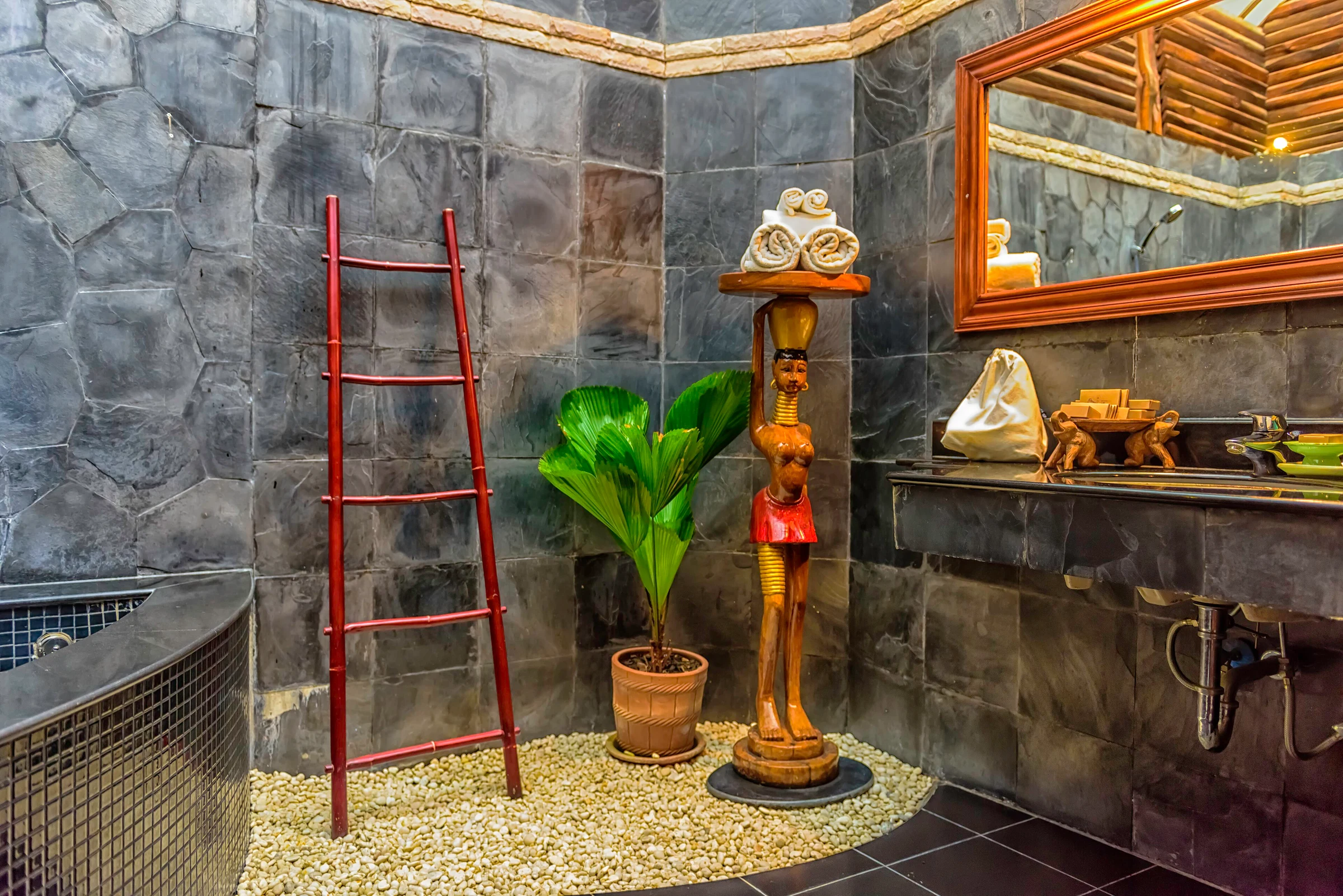
You are not renting a room floating in space. You are renting the whole building.
Before getting distracted by the sofa, balcony, or view, check:
- The building's age and general condition
- Hallway and common-area maintenance
- Lift reliability
- Gym equipment and pool condition
- Short-term guest traffic
- Whether the building feels residential or hotel-like
- Whether management appears organized
The lobby is sales. The service corridor is evidence.
Walk through the parking levels, lift areas, common bathrooms, and service corridors. A beautiful unit in a poorly managed building is still a bad rental. You just find out more slowly.
2. Water pressure, hot water, drainage, and smell
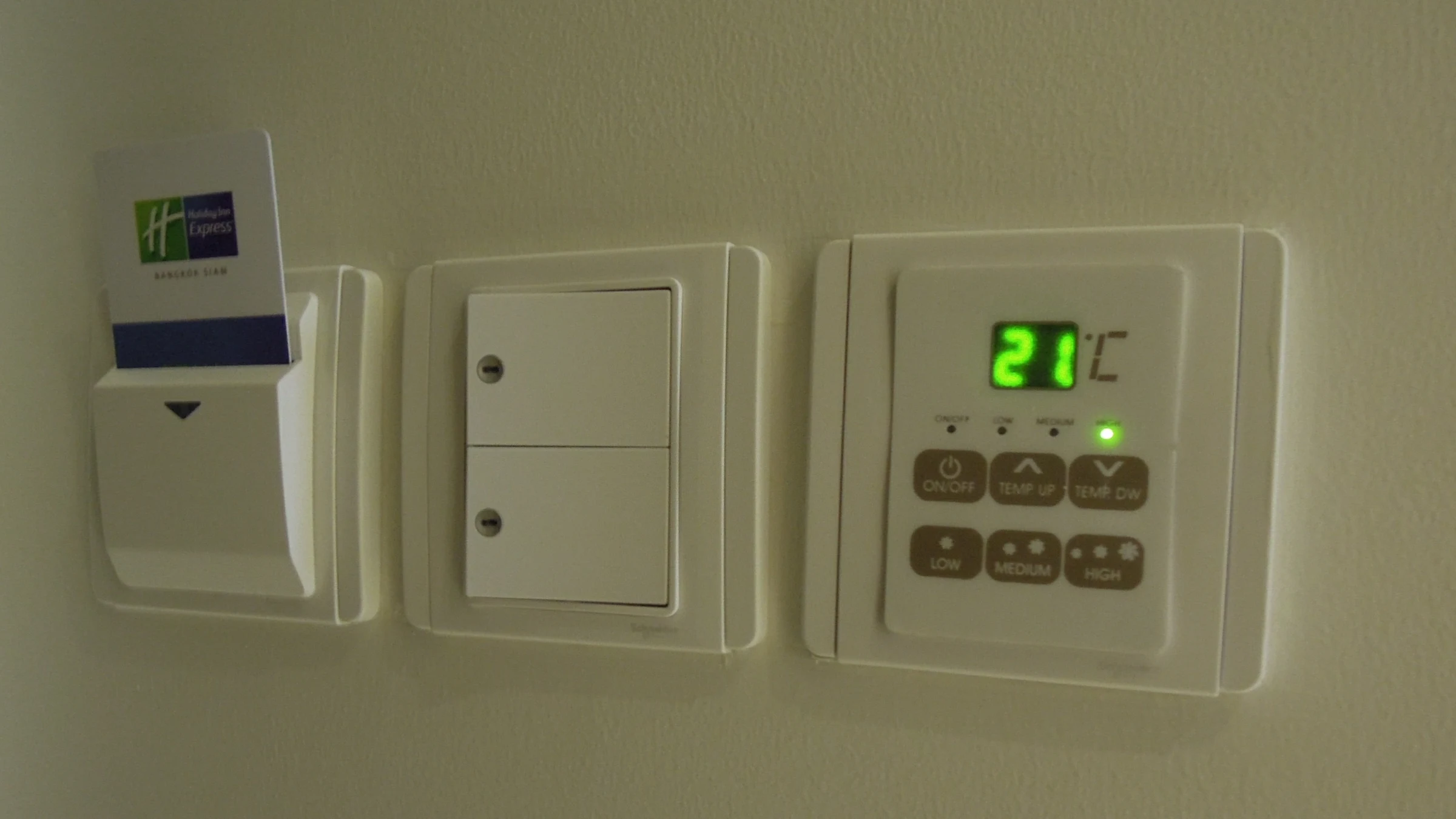
Do not politely glance at the bathroom and move on. Test it.
Run the shower and sinks. Flush the toilet. Run more than one fixture at the same time and see whether the pressure drops. Let the shower run long enough to find out whether the temperature stays stable.
Check:
- Shower and sink pressure
- Toilet flush
- Hot-water stability
- Drainage speed
- Sewer smell from drains
- Leaks under sinks
- Water stains on ceilings or walls
- Washing-machine drainage
This may feel excessive during a viewing. It feels much less excessive than taking a weak shower over a slow drain for the next twelve months.
3. Electricity and air conditioning
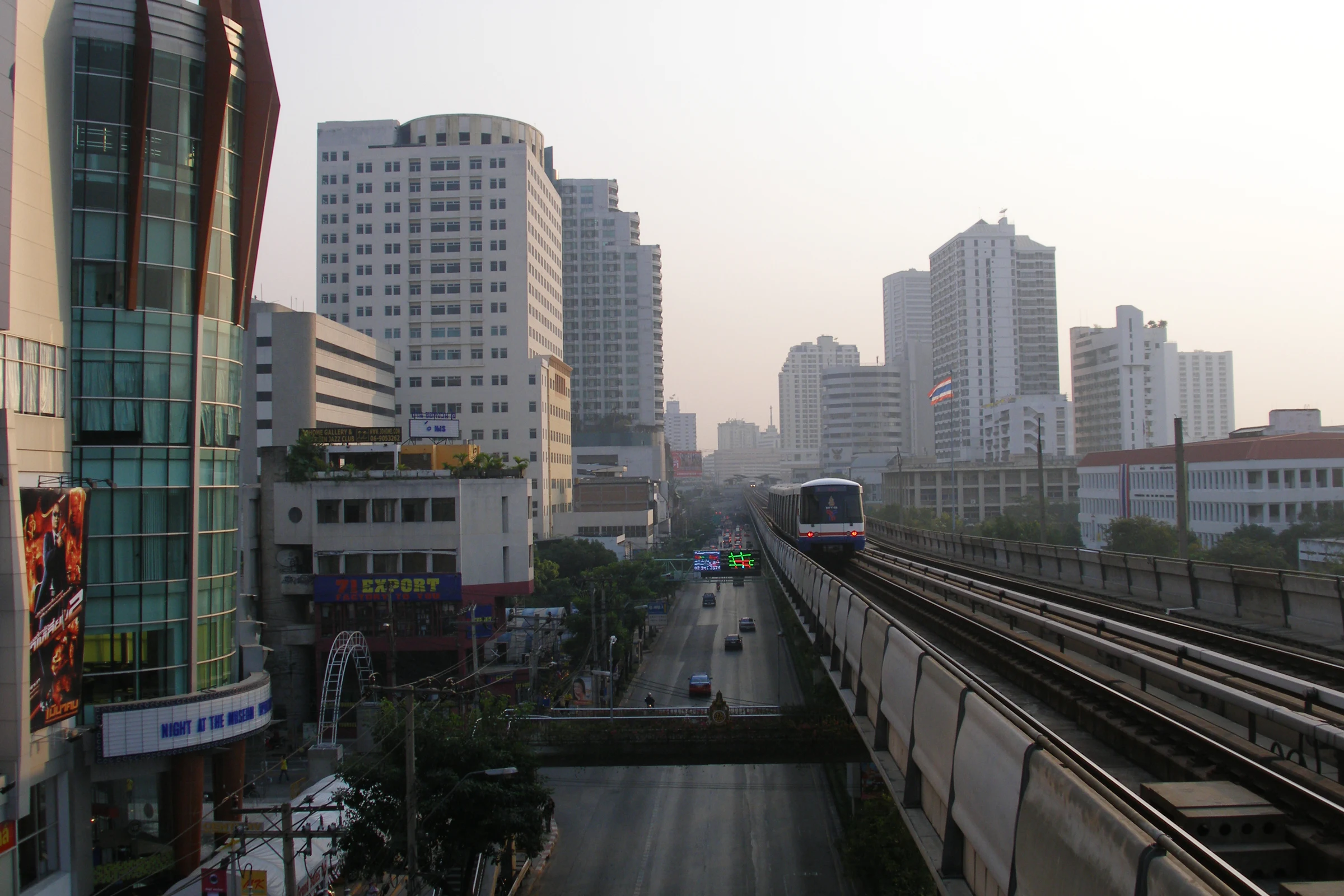
Bangkok will make you care about air conditioning very quickly.
Ask for several of the previous tenant's electricity bills, including the hot season if possible. A mild-month bill tells you little about what March, April, and May will cost.
Turn on every AC unit and check:
- How quickly the room cools
- Musty smells
- Water leaks
- Indoor-unit noise
- Compressor noise
- The age of each unit
- The last cleaning or service date
Confirm whether electricity is billed directly by the utility, landlord, or building, and ask to see the actual rate and previous bills.
A low rent becomes less impressive when old AC units fight bad insulation and west-facing glass all day. A good view does not pay the electricity bill.
4. Afternoon heat and sun exposure
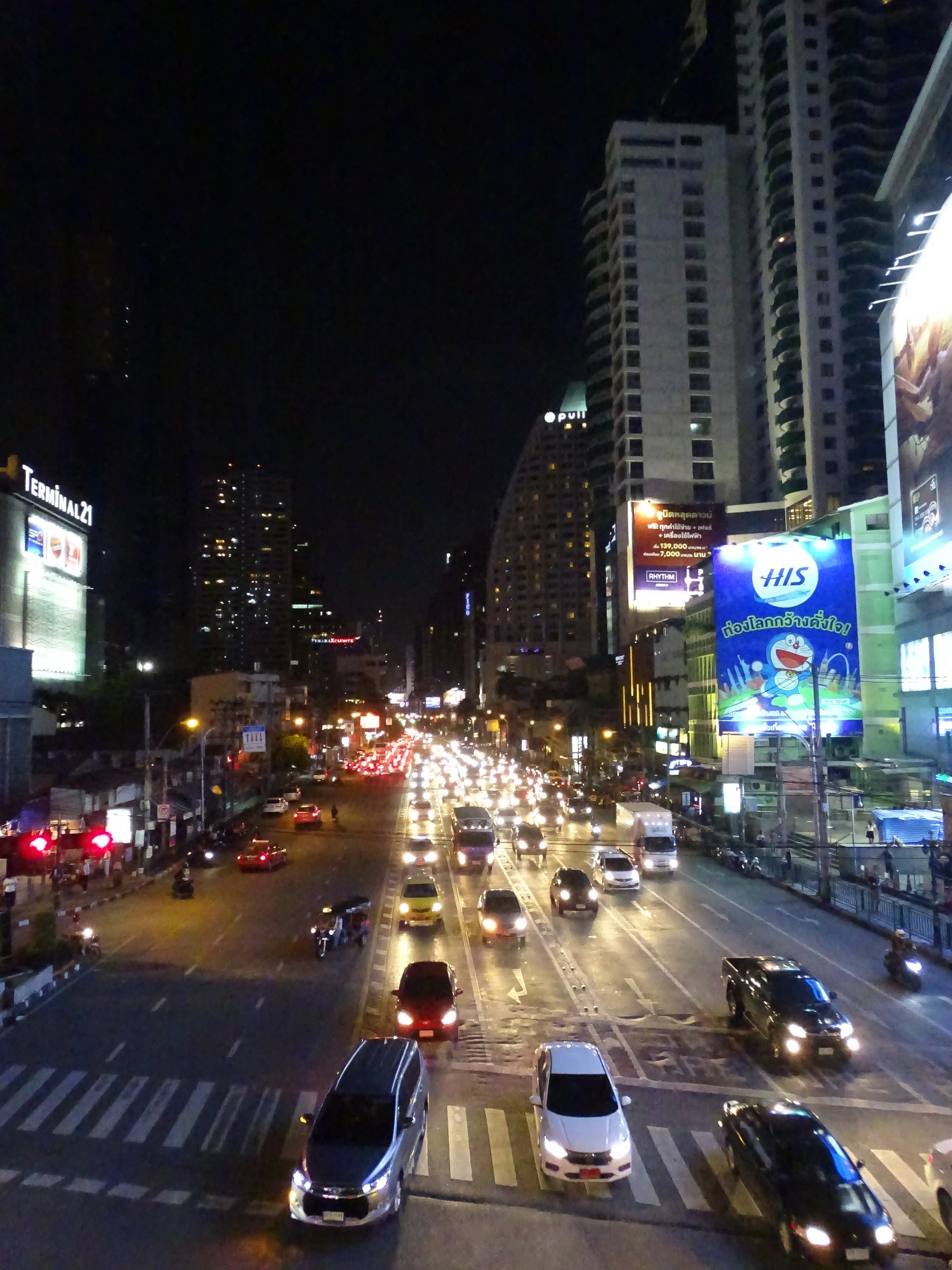
A condo can feel comfortable at 10 a.m. and turn into an oven by 4 p.m.
If possible, view it later in the day. Pay attention to:
- West-facing glass
- Full-height windows
- Balcony heat
- Bedroom temperature
- Curtain quality
- Window and door seals
- Whether the AC must fight direct sun all afternoon
The seals matter for air quality too. Bangkok's official AirBKK monitoring system reports PM2.5 conditions across the city. Check whether windows and doors seal properly, how ventilation works, whether outdoor air enters the unit, and whether there is practical space for effective filtration.
5. Noise inside and outside
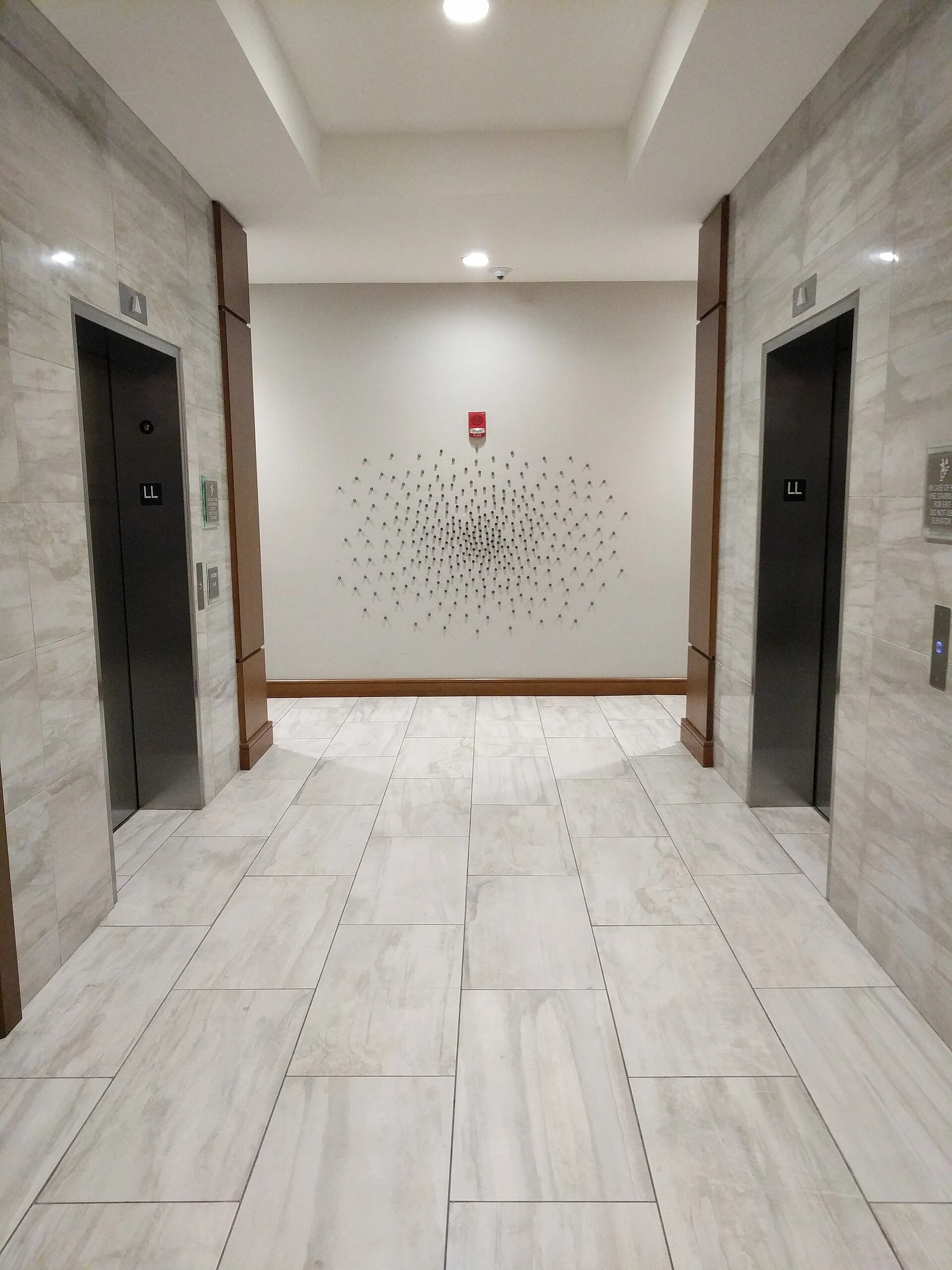
At some point during the viewing, stop talking.
Close the balcony door and windows. Turn off the music and AC for a minute. Then listen for:
- Road, BTS, MRT, or expressway noise
- Construction
- Bars, restaurants, schools, and dogs
- Neighboring TVs and hallway conversations
- Lift bells
- Plumbing and pump noise
- AC compressors
If possible, return at night. A condo that is peaceful at 2 p.m. can sound completely different at 10 p.m.
Ask what is above, below, and beside the unit. Top-floor units may have roof equipment or mechanical rooms above them. Units near service areas may hear routes and equipment that never appear in the listing photos.
6. Your exact position on the floor matters
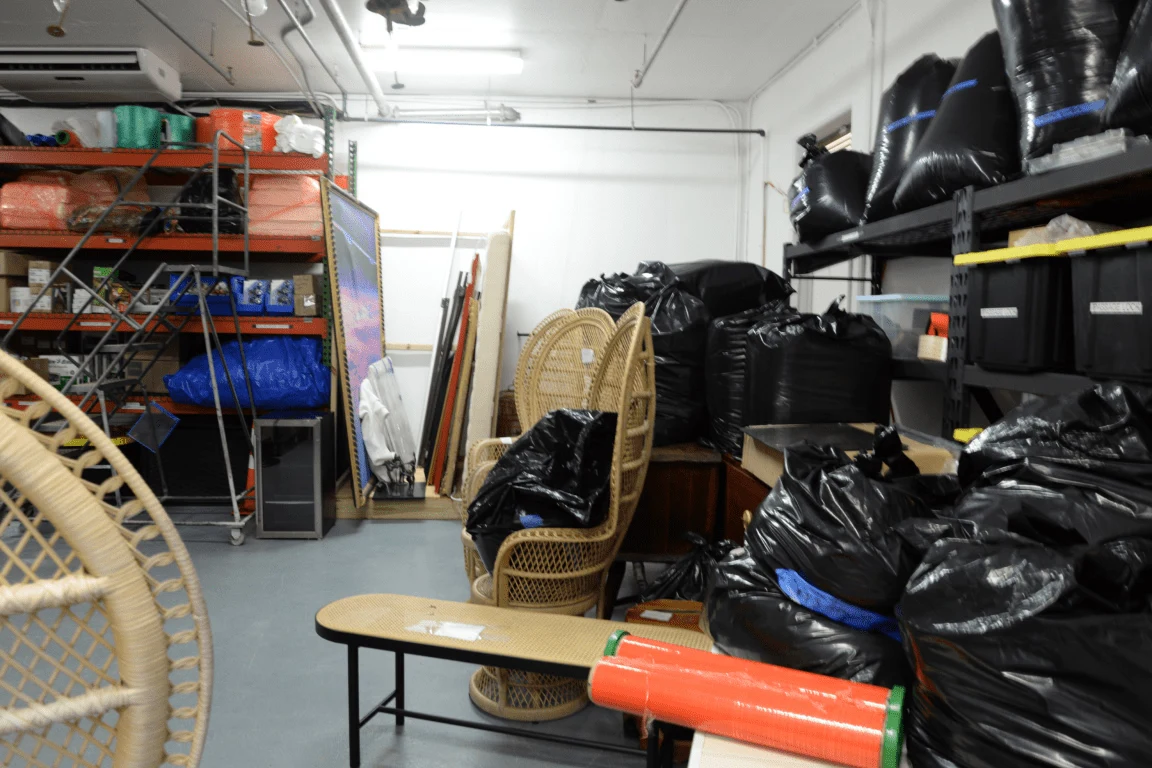
This is the lesson I learned from living beside that heavy entrance door near the elevators. It slammed every time someone went to the lift. I missed it during the viewing. After moving in, I heard it all day.
Check whether the unit is near the:
- Lift lobby
- Fire stairs
- Heavy hallway door
- Service lift
- Trash room
- Housekeeping route
- Gym, pool, or common area
- Mechanical or pump room
If the unit is beside a shared door, stand inside while someone opens and closes it several times. Listen for the slam, vibration, and echo.
It sounds like a tiny detail until it becomes the soundtrack of your home.
7. Trash room and service areas
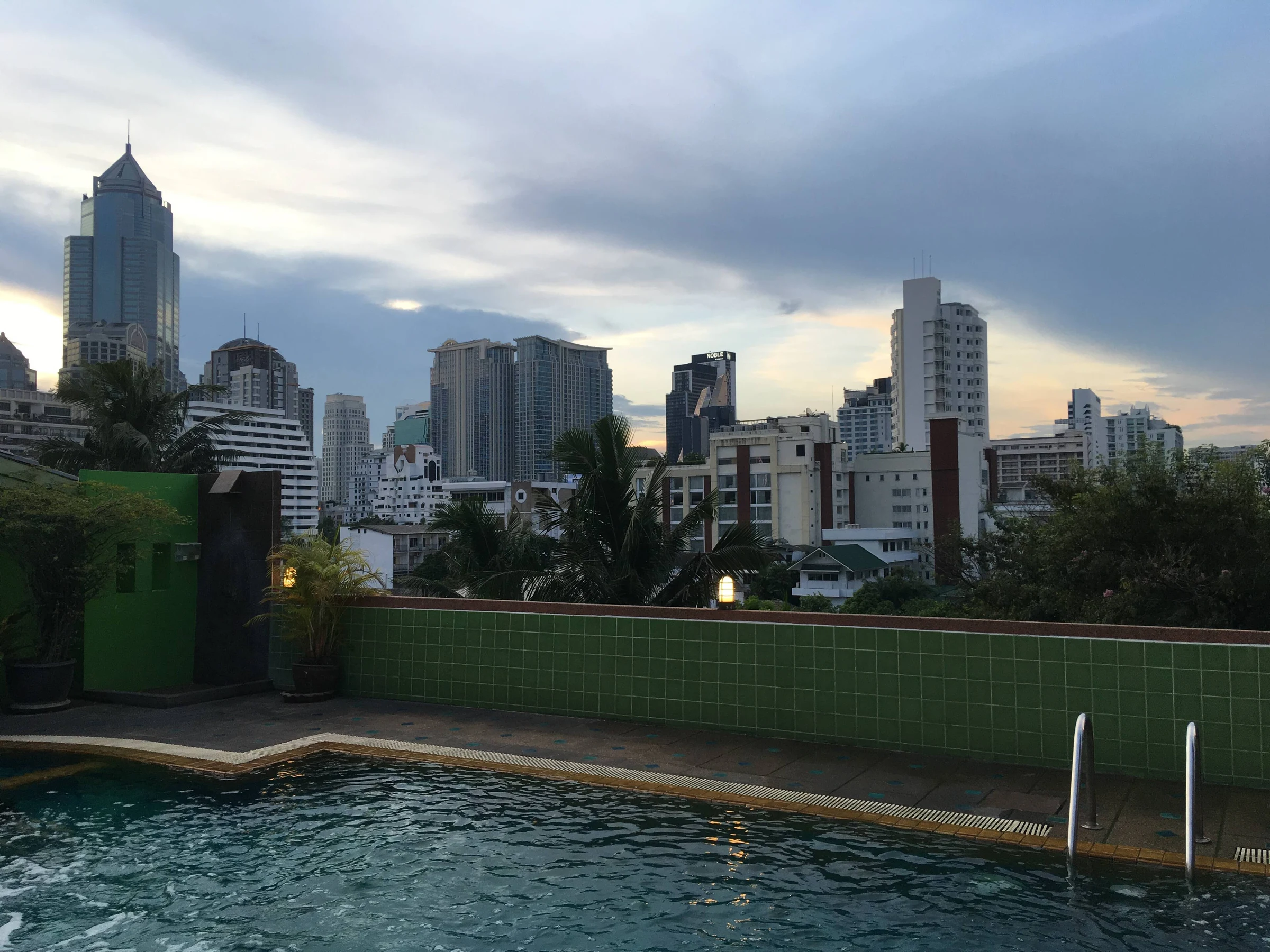
Find the trash room yourself. Do not accept a vague point down the hall.
Check:
- Smell and ventilation
- Roaches or ants
- Leaks
- Trash buildup
- Cleaning frequency
- Distance from your unit
Then look at the parking levels and service corridors. These are the places buildings do not stage for viewings. If they are clean and organized, that tells you something. If they are neglected, that tells you even more.
The back of the building is usually more honest than the front desk.
8. Lifts at peak time
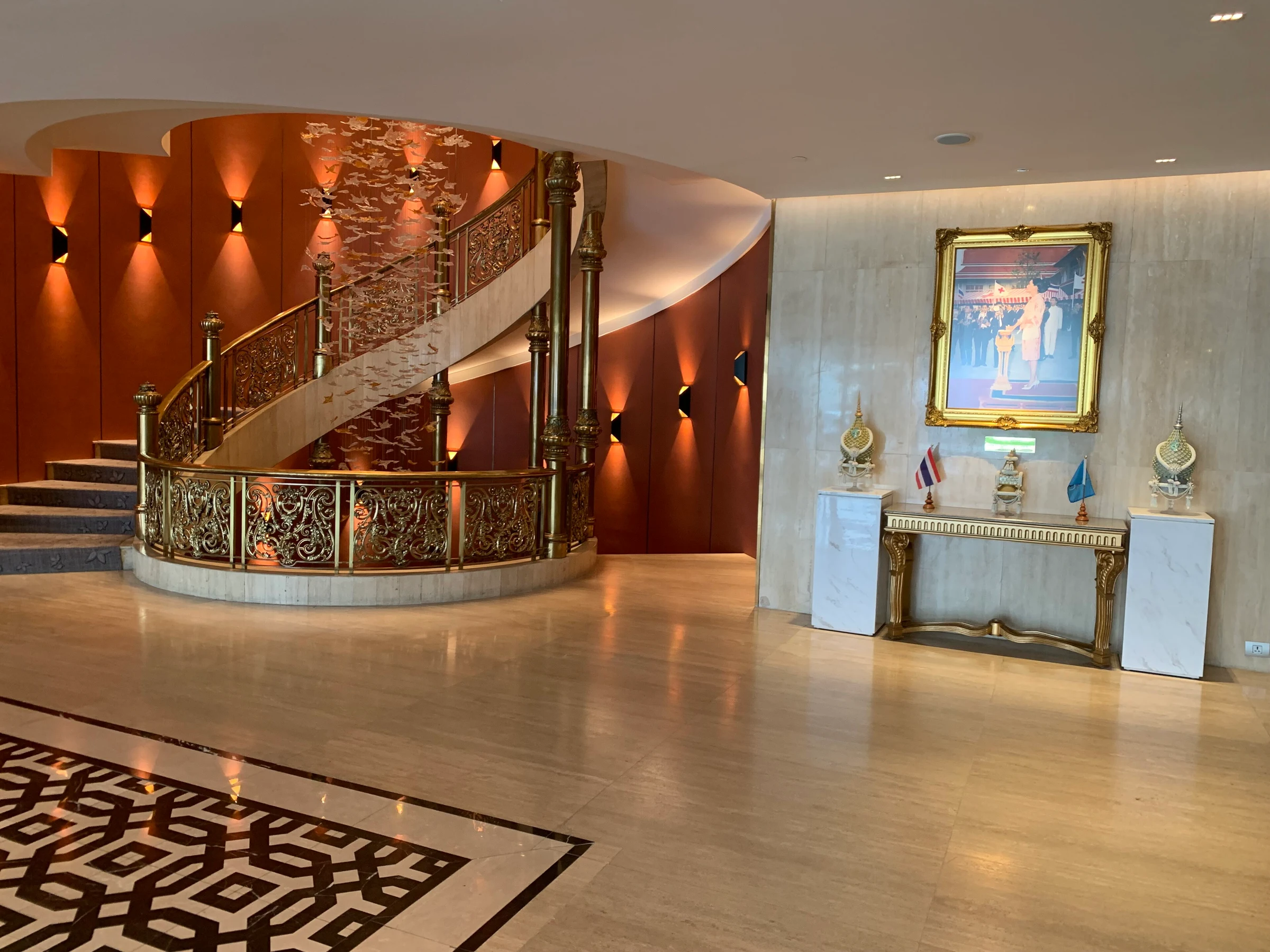
The number of elevators means almost nothing without the wait time.
If the building is tall, visit during morning or evening peak hours. A 35th-floor unit is less charming when you regularly wait ten minutes to leave it.
Check:
- Passenger and service-lift numbers
- Morning and evening wait times
- Whether lifts are regularly full
- Whether delivery and maintenance staff use resident lifts
- Whether move-ins block lifts
- Whether access cards restrict floors
Listings love to mention lifts and key-card systems. They rarely explain how those systems behave when everyone is trying to leave at 8 a.m. Test the reality, not the feature list.
9. Gym, pool, and building culture
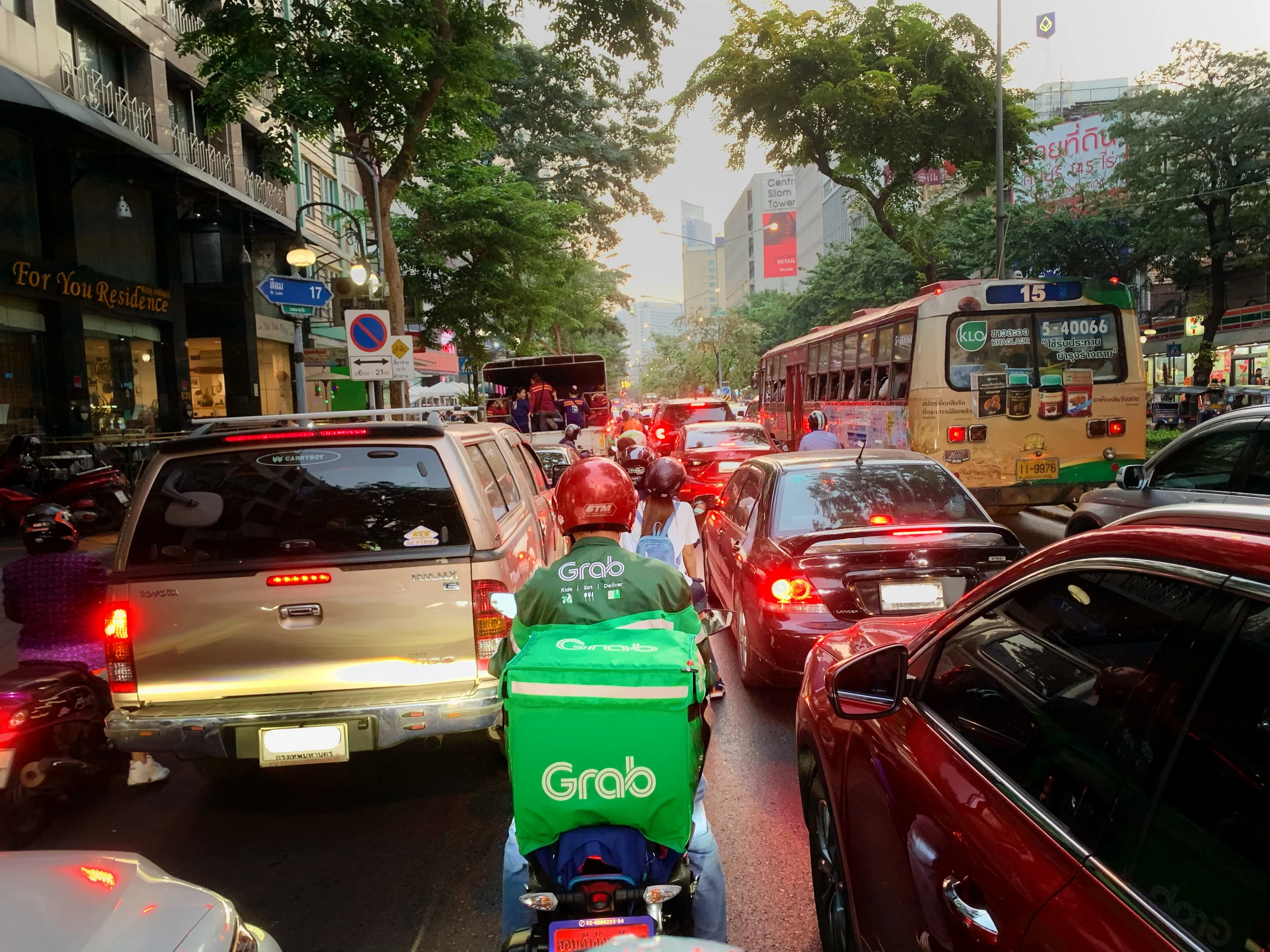
Amenities are easy to photograph and easy to oversell.
Visit when people actually use them. A silent pool at 2 p.m. on Tuesday tells you nothing if you plan to swim after work or on weekends.
Check:
- Gym crowding and equipment condition
- Broken machines
- Pool crowding
- Short-term guest traffic
- Suitcases constantly moving through the lobby
- Weekend parties
- Whether groups dominate common areas
I care less about whether a building has a gym than whether the gym is usable. A facility you avoid because it is broken or chaotic is not an amenity. It is decoration.
10. Food delivery and packages
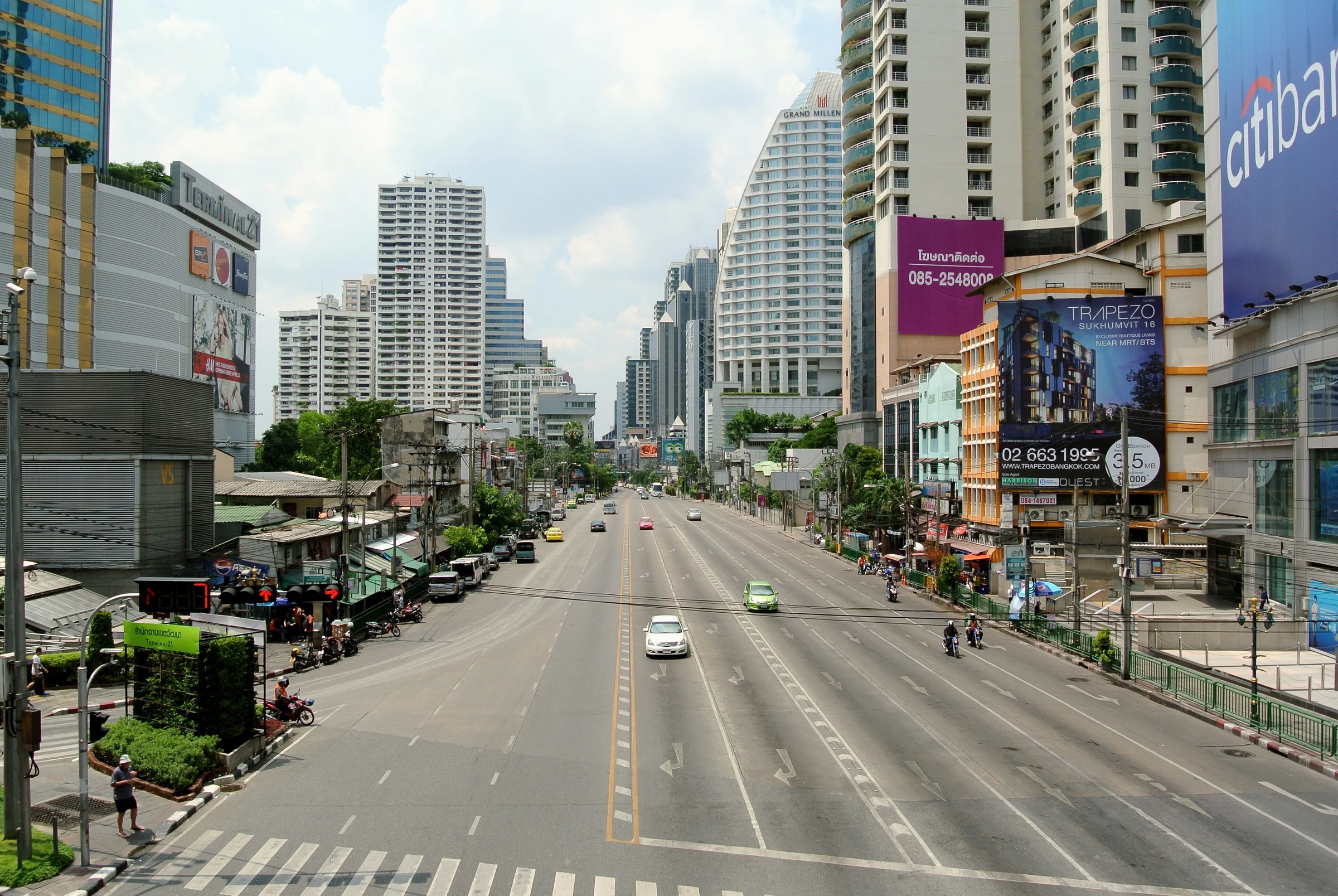
This is where one of my Bangkok condos looked fine on paper and became irritating in real life.
Delivery riders went to the back of the building. Staff then moved the order to the basement, where I had to collect it. The system probably made sense to whoever designed it. For the person waiting for dinner, it added 10 to 15 minutes almost every time.
Ask exactly how Grab, LINE MAN, and foodpanda deliveries work:
- Where do riders enter and wait?
- Can they leave food in the lobby?
- Does security call every time?
- Must you come downstairs immediately?
- Do riders exchange ID?
- Is food moved to another floor or pickup area?
- Is the pickup area organized?
For packages, ask about parcel rooms, lockers, office hours, notifications, oversized deliveries, and what happens when you travel.
Do not settle for “deliveries are allowed.” Ask someone to walk you through the exact route. A secure system can still waste your time every day.
11. Transportation and shuttle reality
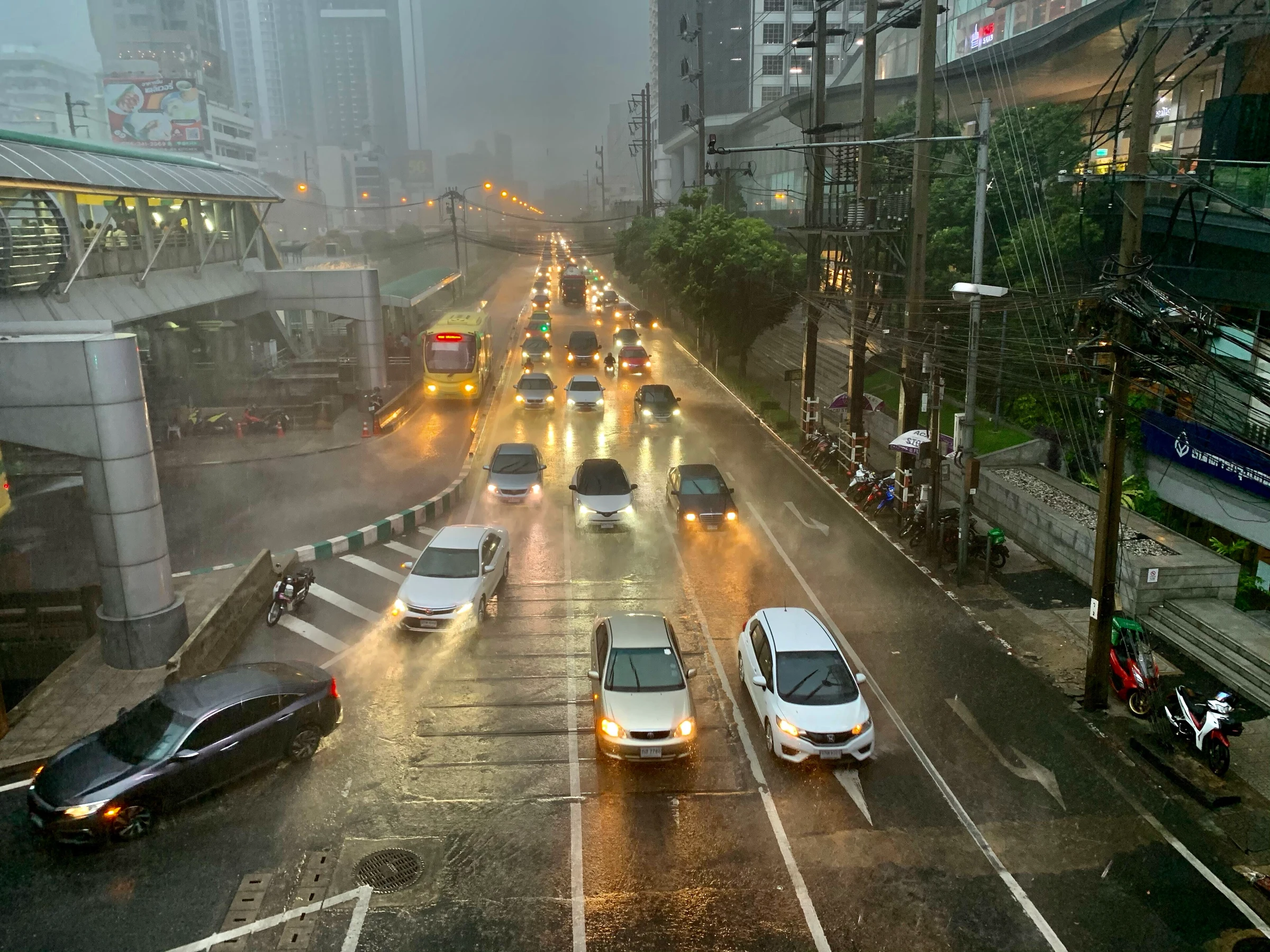
“500 meters to BTS” can mean a pleasant walk or a sweaty obstacle course beside traffic.
Walk the actual route in the heat if possible. Check:
- Sidewalk quality and shade
- Major road crossings
- Motorcycle taxi stands
- GrabBike availability
- Taxi and Grab pickup points
- Late-night access
- Traffic outside the building
If the condo has a shuttle, ask where it goes, how often it runs, whether it is scheduled or on demand, its last trip, weekend and holiday hours, and whether it fills during peak time.
If the shuttle leaves every 30 minutes and fills at 8 a.m., you do not really have a convenient shuttle. You have a recurring scheduling problem with seats.
Test the commute. Do not trust the map or listing.
12. Rainy-season reality
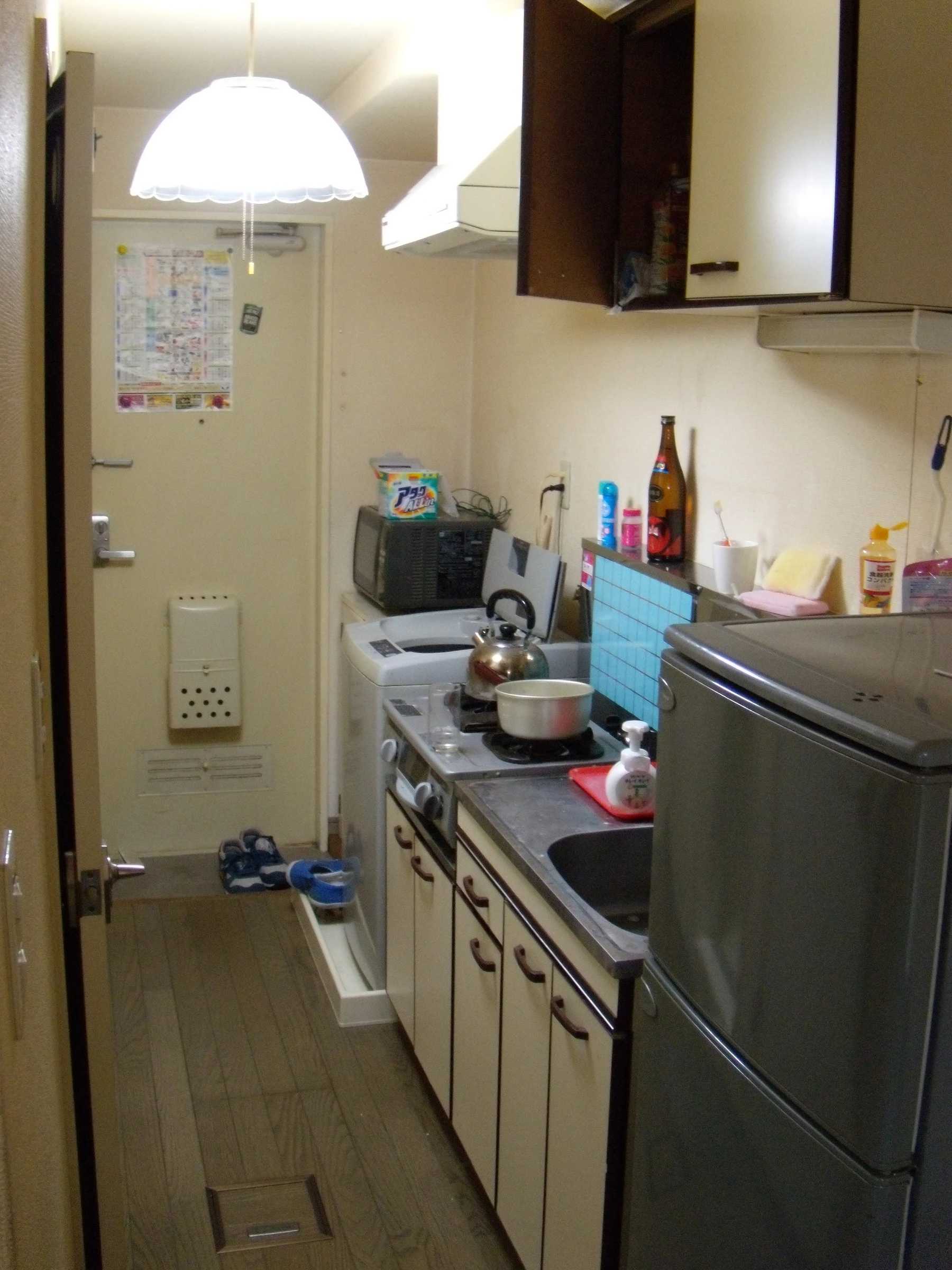
Bangkok rain exposes optimistic planning.
Do not only ask whether the tower floods. Ask what happens to the street, sidewalk, pickup point, and route to the station.
Check:
- Whether the soi and sidewalk flood
- Whether cars can still enter
- Whether you can walk to rail transit
- Whether motorcycle taxis remain available
- Whether Grab drivers can reach the entrance
- Covered pickup and drop-off areas
- Traffic after heavy rain
The condo can remain perfectly dry while your route outside becomes miserable.
The Thai Meteorological Department's monthly climate summaries document periods of heavy rain, while the Bangkok Department of Drainage and Sewerage publishes flood-prevention plans. That does not mean every street or building floods. Inspect the exact soi, entrance, parking, drains, and motorcycle or taxi access during or after heavy rain.
13. Kitchen and daily routine
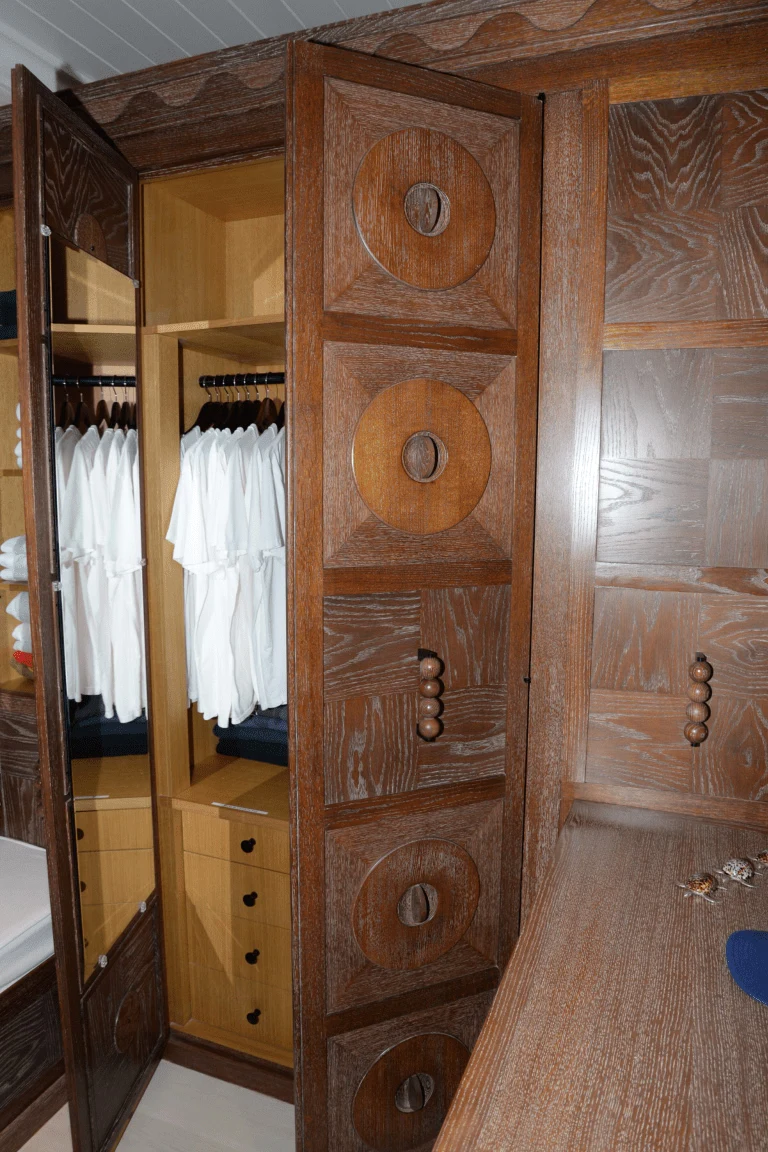
Be honest about how often you cook. Do not rent for the imaginary version of yourself who eats out every night if you know you will cook at home.
Measure the actual counter and storage space. Confirm the refrigerator, cooktop, oven, and appliance sizes. Check whether the hood vents outside or simply recirculates air into the room. Test whether the kitchen supports how you really shop, prepare food, cook, and clean.
Building age does not answer those questions. Inspect the plumbing, electrical system, air conditioning, kitchen layout, appliance condition, and available maintenance history in the exact unit.
14. Furniture, mattress, and storage
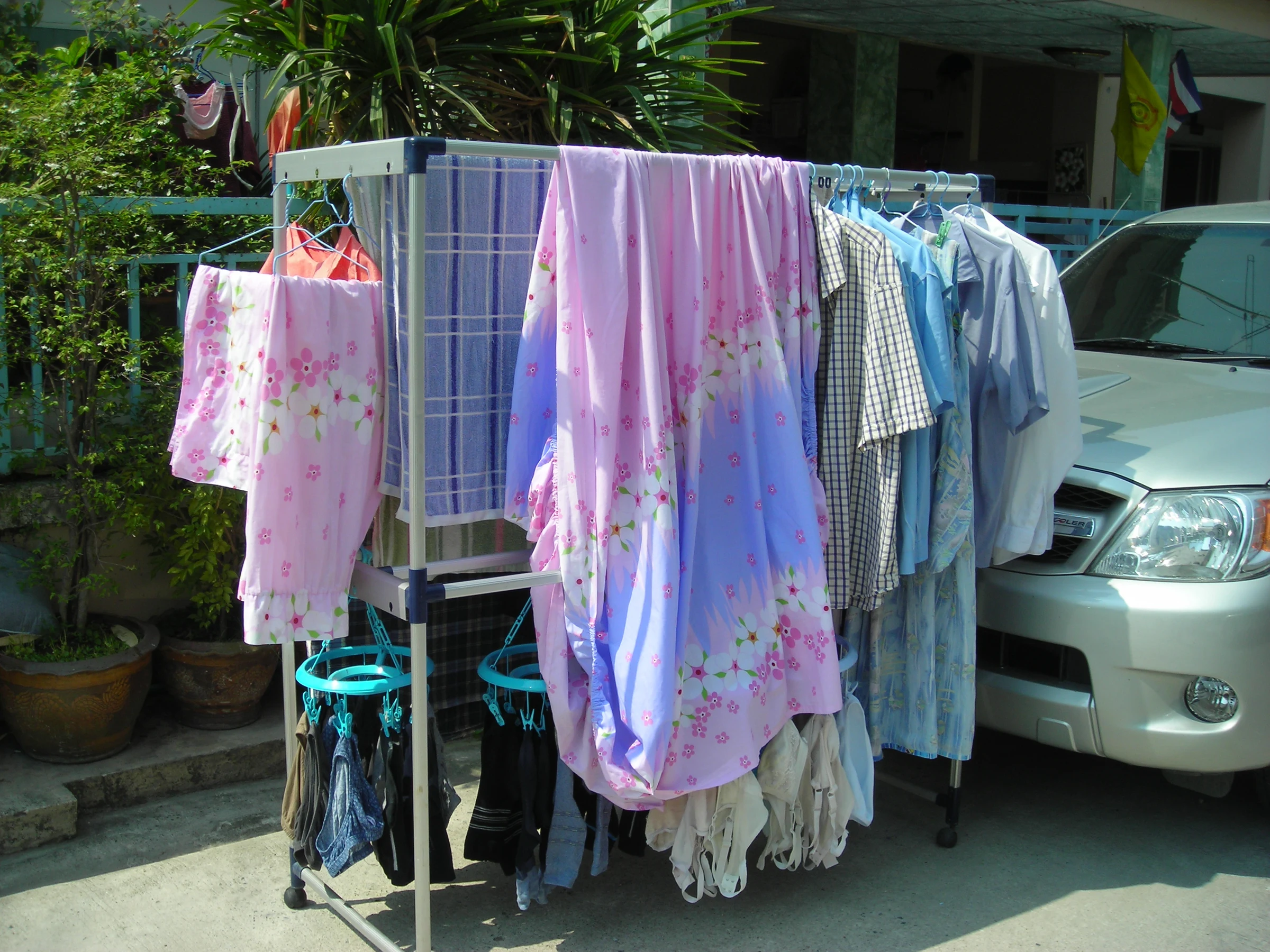
“Fully furnished” is a marketing phrase, not a comfort standard.
Sit on the sofa. Test the desk chair. Look at the mattress. Open every wardrobe and cabinet.
Check:
- Mattress quality and bed size
- Sofa comfort
- Dining table, desk, and chairs
- Closets and luggage storage
- Curtain condition and coverage
- Shoe, bathroom, and kitchen storage
- Existing damage and replacement terms
Ask exactly what stays. Listing photos are not the inventory. If you want a mattress replaced or furniture removed, settle it before signing. Do not assume the landlord will suddenly find free storage after receiving your deposit.
15. Laundry and drying clothes
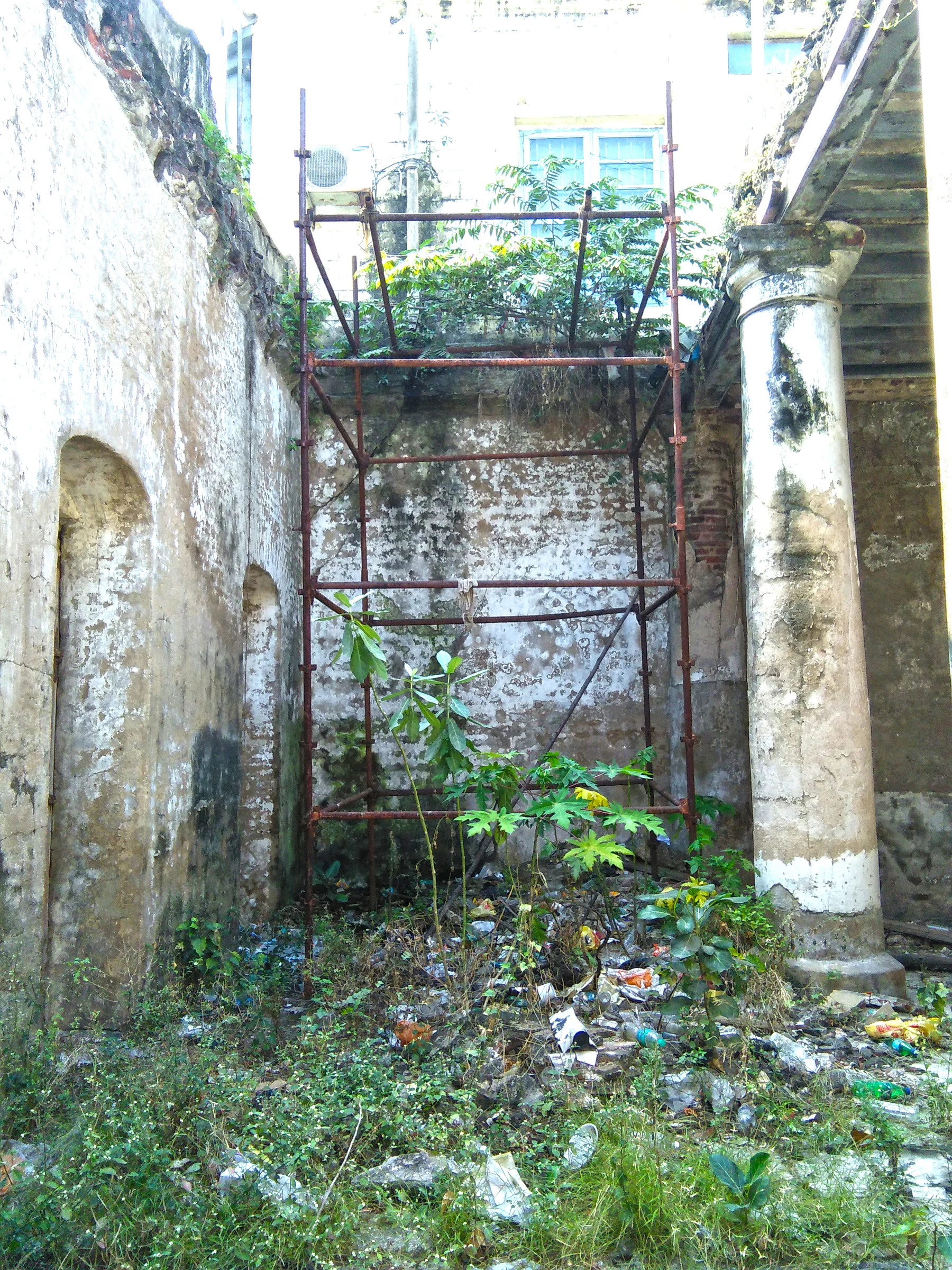
A washing machine does not solve the laundry problem if there is nowhere sensible to dry anything.
Check:
- Washer condition and drainage
- Balcony and drying-rack space
- Ventilation
- Whether AC compressors fill the balcony
- Whether clothes can dry without creating humidity
- Building rules about hanging laundry outside
A balcony filled with compressor units may technically be a balcony. That does not make it useful.
If there is no washer, find out where laundry is actually done. A shared room or nearby service may work well, but it changes the routine. Understand the routine before it becomes yours.
16. Mold, leaks, pests, and internet
Look where people normally do not look. That is usually where the useful information is hiding.
Check under sinks, behind curtains, inside wardrobes, around AC units, on bathroom ceilings, around windows and balcony doors, behind the fridge, and near pipe openings.
Look for:
- Roach traps or ant trails
- Bubbling paint
- Water stains
- Fresh repainting in suspicious spots
- Moisture or mold smells
Then test internet and phone signal. Confirm that fiber reaches the actual unit, not just the building. Check mobile reception in the bedroom, living room, and work area.
If you work remotely, make sure there is a real place to work. A dining chair beside a decorative table is not a home office because the listing says it is.
17. Fire safety and moving large items
Physically find the fire stairs. Do not just ask whether they exist.
Check:
- Whether stairwells are clear
- Whether doors open and lock behind you
- Where the stairs exit
- Emergency lighting
- Visible fire equipment
Then think about move-in day:
- Service-lift availability and size
- Lift-door and unit-door width
- Tight hallway turns
- Restricted move-in hours
- Lift reservations
- Moving deposits or fees
A sofa is useless if it cannot physically reach the unit. This is the kind of stupid problem that is easy to prevent and expensive to solve.
18. The landlord and repair reality
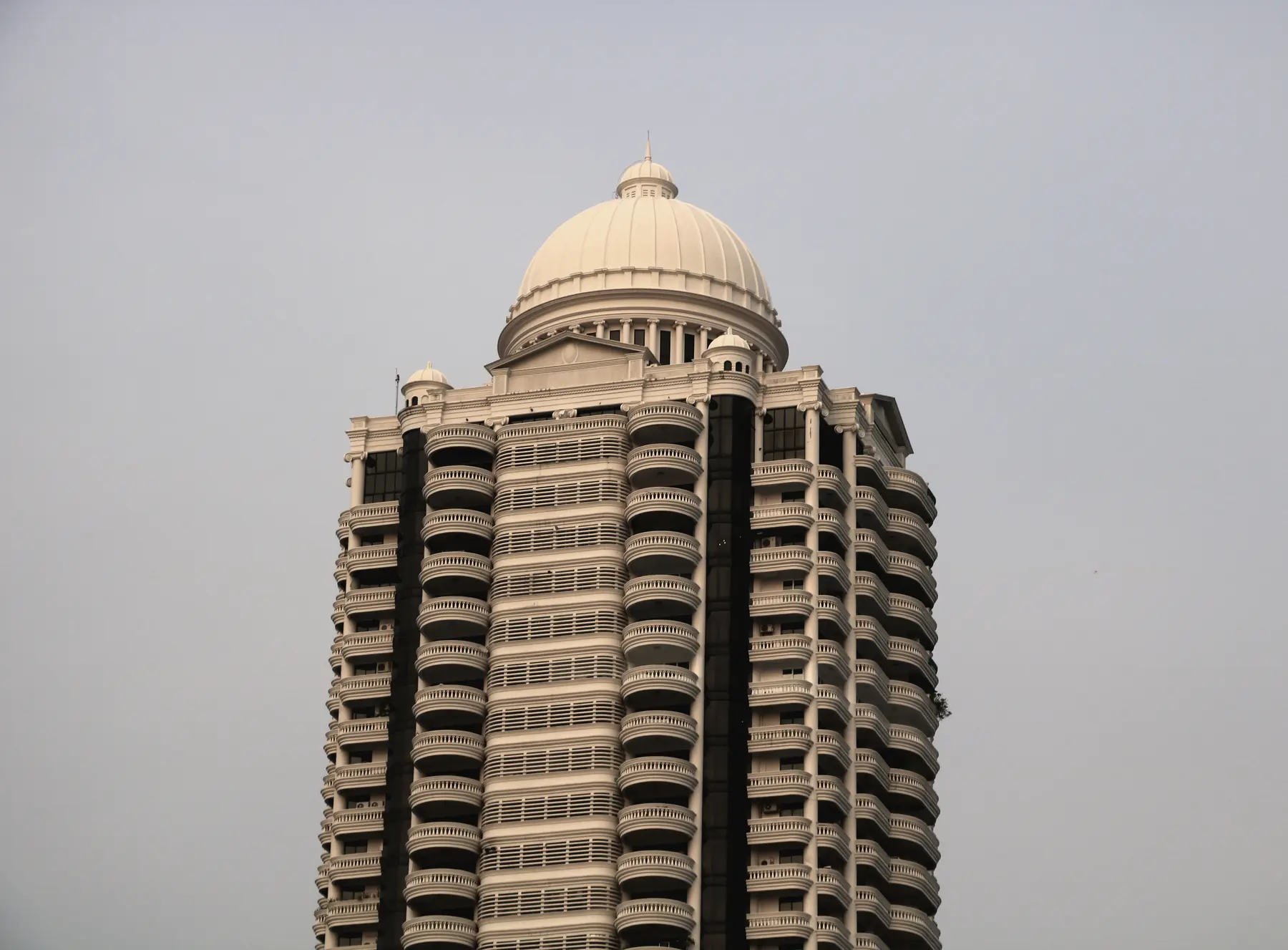
A good condo with an unreachable landlord becomes a bad condo the moment something breaks.
Ask:
- Whether the landlord lives in Thailand
- Whether there is a property manager
- Who your real contact is after signing
- Who approves repairs and pays technicians
- How quickly repairs are normally handled
- What happens if the owner is unreachable
- Whether management can enter during an emergency
- Whether a local person can act quickly
An overseas landlord is not automatically a problem. An overseas landlord with no working local system is.
When the AC dies or water comes through the ceiling, you do not need a friendly promise. You need one person who can make a decision and get someone through the door.
19. Lease terms, deposit, and handover
Confirm the required security deposit, advance rent, and total amount due before signing. Terms vary, so use the actual written lease rather than an assumed market pattern.
Before paying, confirm:
- Rent, deposit, and advance-rent amounts
- Lease length and renewal terms
- Potential rent increases
- Repair responsibility
- Who pays for aging appliances
- Deposit-return timing and permitted deductions
- Move-out cleaning requirements
- The complete inventory
- Access-card replacement costs
- Promised repairs or furniture changes
- Utility billing method
The lease is where friendly promises either become obligations or disappear.
If the owner or agent promises a repair, replacement, or change, put it in writing. A verbal “no problem” is not a repair plan.
20. Document everything before move-in
Photograph and video the entire unit before moving in. Yes, it takes time. Do it anyway.
Document:
- Walls and floors
- Furniture and mattress
- Appliances and AC units
- Bathroom and kitchen
- Balcony
- Existing scratches, stains, chips, and water marks
- Broken items
- Meter readings
- Keys and access cards
Get existing damage acknowledged in writing. Do this before paying the full move-in amount where possible, or at least before physically moving in.
You are not accusing the landlord of anything. You are giving both sides a record of the starting condition. If the owner is reasonable, it makes move-out easier. If the owner is not reasonable, you will be glad you have it.
The real test
The best condo is not the one that wins a 15-minute viewing. It is the one that works on a normal Tuesday.
Picture the unglamorous parts of your week:
- Morning commute
- Heavy rain
- Food delivery and packages
- Laundry and cooking
- Lift waits
- Noise at night
- Repairs
- Electricity bills
- Getting your deposit back
I have lived with the delivery detour. I have listened to the elevator door slam. Neither problem was dramatic enough to make me move immediately. That is what made them so annoying. They were small, permanent taxes on daily life.
Do not only ask, “Do I like this unit?”
Ask the better question:
Will this place reduce daily friction, or quietly create more of it?
That is the question I wish I had asked sooner. Hopefully, this list means you do not have to learn it the same way I did.
Sources and notes
The specific delivery and shared-door examples are firsthand observations. Current environmental context comes from: