Retirement planning · Thailand
Can You Retire in Thailand on Social Security Alone?
Use your own benefit, housing, healthcare, exchange-rate, travel, and emergency-reserve figures before deciding.
Reviewed July 31, 2026 · Later factual updates are dated within the guide
In this guide
Some retirees can cover routine living costs in Thailand with Social Security. Whether the plan is sustainable depends on the person’s benefit, housing, healthcare, exchange rates, travel needs, debt, and emergency reserves.
In this guide, “Social Security alone” means it is the only dependable monthly income. A workable plan still requires savings for medical care, housing changes, travel, currency movements, and other irregular expenses.
The Social Security Administration estimates the average retired-worker benefit after the 2026 cost-of-living adjustment at about $2,071 per month. Use your own benefit estimate rather than that national average.
This article expands Question 6 from 14 Questions to Ask Before Retiring or Living Long Term in Thailand.
Begin with the benefit you actually receive
The Social Security Administration estimates that the average retired-worker benefit after the 2026 cost-of-living adjustment is about $2,071 per month. That number is trivia until you check your own benefit.
Your actual benefit may be much lower or much higher. Check your current estimate in your personal Social Security account and consider how the claiming age changes the amount.
A person receiving $3,200 with no debt has a different problem from a person receiving $1,450 while supporting family in two countries. A couple receiving two benefits may have more room, but should also test what happens after the first spouse dies and one payment disappears.
The national average is not a substitute for your own benefit estimate.
Can Social Security be paid while you live in Thailand?
U.S. citizens can generally continue receiving eligible Social Security retirement benefits while living outside the United States. Individual rules can differ for noncitizens, dependents, survivors, and certain benefit types, so use the Social Security Administration’s Payments Abroad Screening Tool before treating the income as guaranteed.
Social Security’s February 2026 international-payment report lists 9,681 payments to people in Thailand: 2,679 through international direct deposit, 6,983 through U.S. banks, and 19 by check. Those are payment counts, not a count of unique retirees. You may also choose to keep the benefit flowing to a U.S. account and transfer spending money separately.
The payment route is not the plan. The plan is what happens when a transfer is delayed, a bank freezes a transaction, your phone stops receiving authentication messages, or you need cash during a holiday weekend.
Keep more than one functioning way to access money.
Include irregular and annual expenses
Someone living outside central Bangkok, Phuket’s premium areas, or the most expensive islands may be able to cover ordinary expenses with an average benefit. A modest apartment, local and international food, mobile service, utilities, basic transportation, and routine entertainment can fit.
An ordinary monthly budget often excludes:
- international health insurance or a serious self-funding reserve
- major dental work and excluded medical conditions
- annual flights to the United States
- visa fees, document costs, and immigration-related travel
- deposits, furniture, and moving costs
- family support
- replacement phones, laptops, and appliances
- a move to a more expensive city for better medical care
- long-term care or paid help later in life
- U.S. expenses that continue after the move
- income tax and professional advice.
These are irregular expenses and belong in the plan even when they do not occur every month.
Healthcare can destabilize the budget
Thailand can make routine private care and dentistry more affordable than comparable care in the United States. That does not make serious illness affordable on a fixed income.
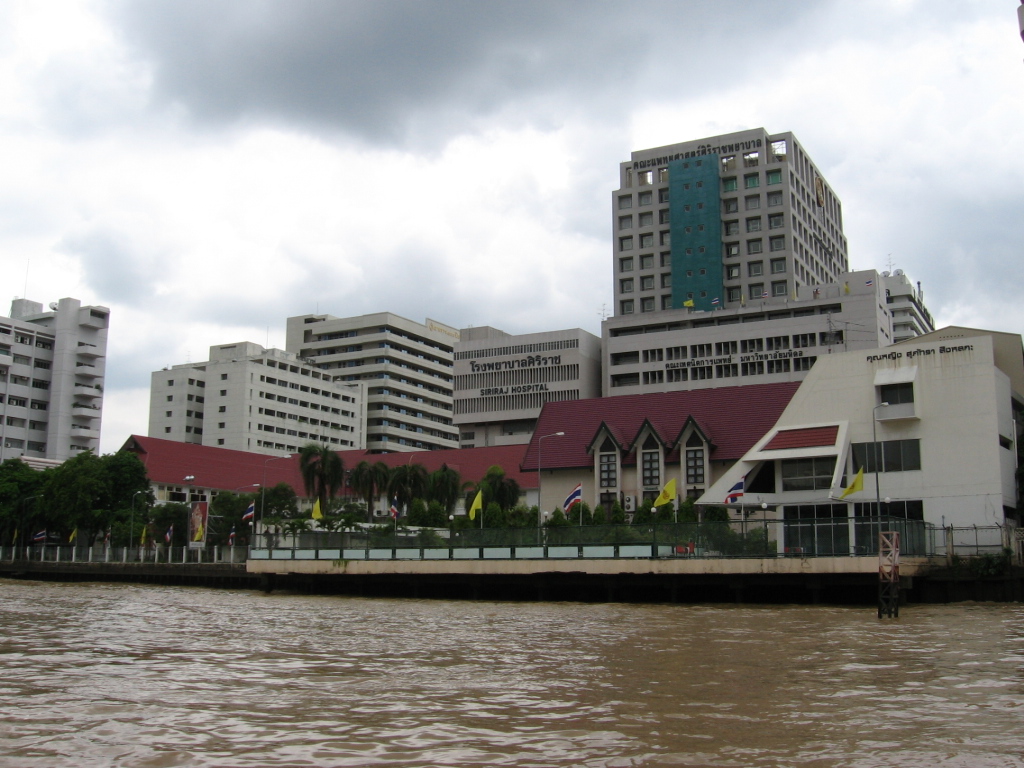
Original Medicare generally does not cover care in Thailand except in narrow circumstances that do not describe ordinary expat life. A retiree may choose local insurance, international insurance, self-funding, or a combination. Each choice has limits.
Premiums can rise with age. Existing conditions may be excluded. A policy may reimburse rather than pay the hospital directly. A hospital may request a deposit before treatment. Self-funding may work for routine care and fail during cancer treatment, intensive care, or rehabilitation.
Before calling the plan sustainable, answer one question:
If I have a major medical event next year, what pays the hospital deposit and the bill?
The answer should identify the insurance, reserves, and payment access available for a major medical event.
The exchange rate creates a second inflation rate
Social Security benefits are denominated in U.S. dollars. Most of your life in Thailand will be priced in Thai baht.
That creates two moving parts. Thai prices can rise, and the dollar can weaken against the baht. A cost-of-living adjustment may increase your benefit while your local purchasing power still falls.
Test the budget after a 10% loss of baht purchasing power. Keep enough reserve to avoid making a necessary large transfer during an unfavorable rate movement.
Location determines whether the answer is yes
“Can I live in Thailand on Social Security?” is too broad.
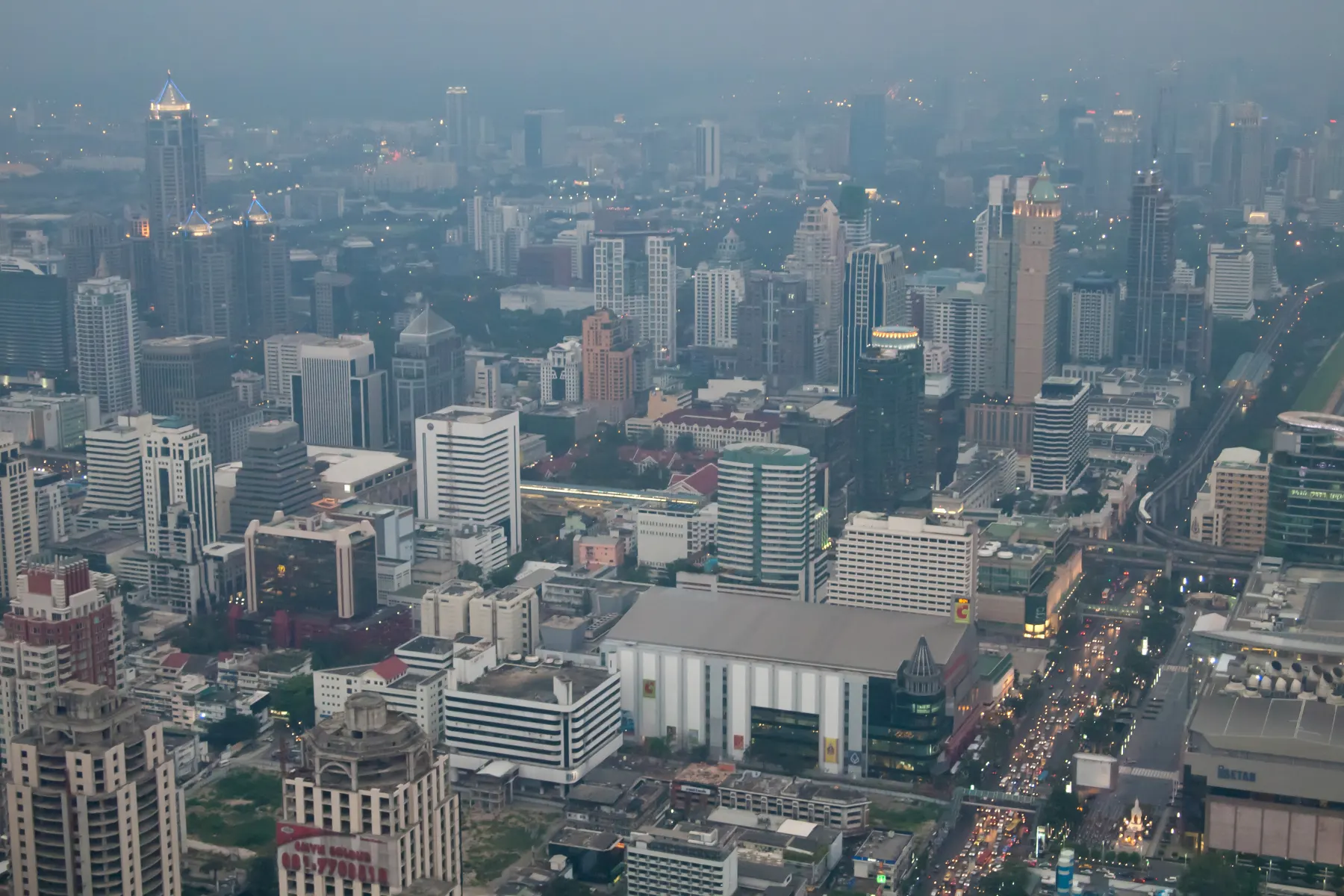
Central Bangkok offers exceptional transportation, hospitals, and international services, but housing and lifestyle costs can rise quickly. Phuket and island life can add higher rents, transportation costs, and logistical friction. Chiang Mai may offer strong value but brings seasonal air-quality concerns. Hua Hin, Pattaya, Rayong, Chiang Rai, and provincial locations create different balances of cost, healthcare, community, and airport access.
Lower rent is not automatically better value. A remote location can require a car, longer trips for specialist care, and more expensive travel back to the United States.
Choose the ordinary week first. Price that life second.
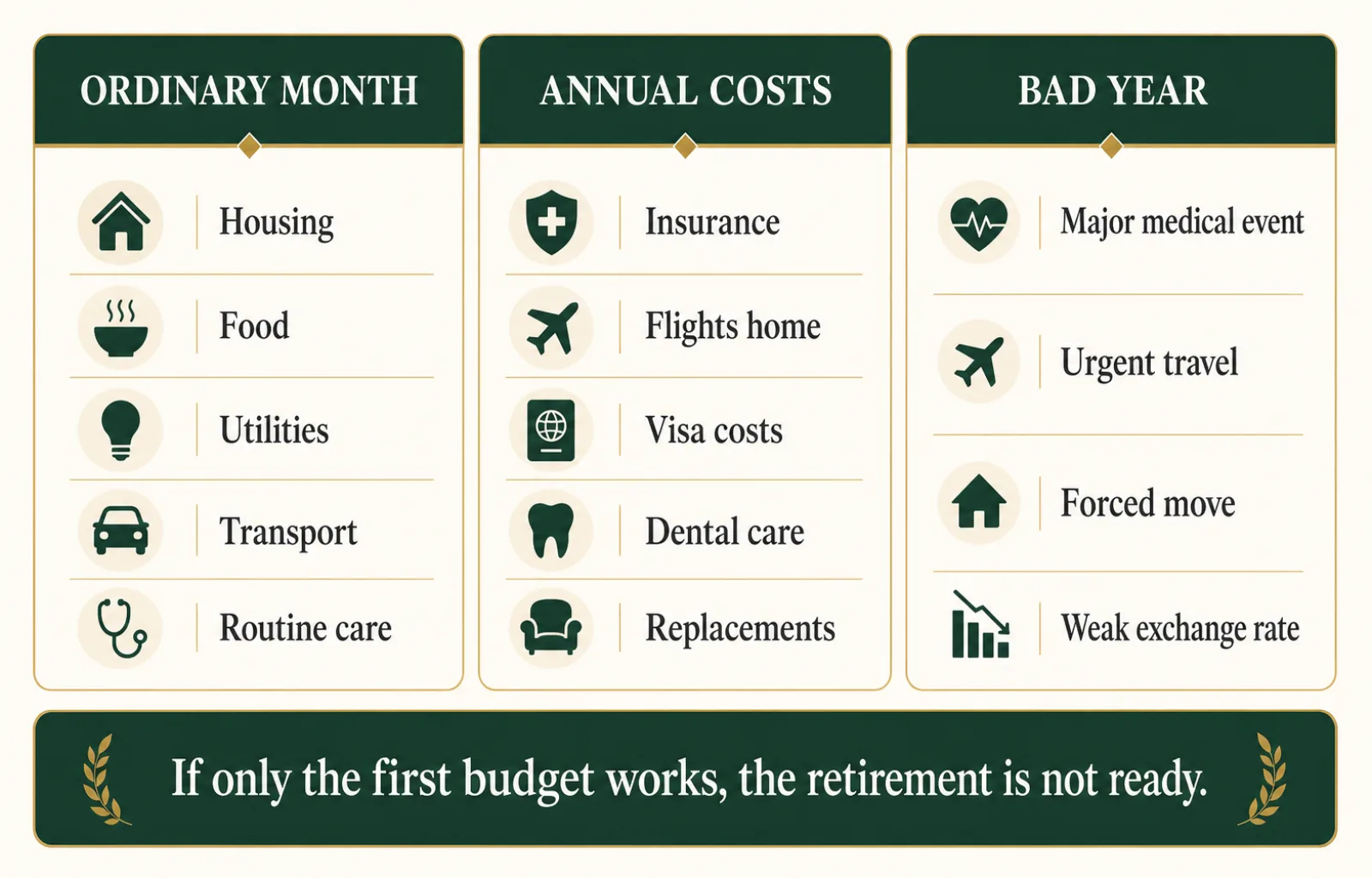
Build three versions of the budget
1. The ordinary-month budget
Include rent, utilities, food, transportation, phone, routine healthcare, insurance, entertainment, and recurring U.S. costs.
2. The annual-cost budget
Add visa costs, flights, dental care, electronics, gifts, professional fees, and other expenses that arrive occasionally but predictably. Divide the total by twelve.
3. The bad-year budget
Model a medical event, an urgent trip home, a move, a large deposit, or several months at an unfavorable exchange rate.
Review all three budgets together. The plan should cover routine spending, predictable annual costs, and a plausible high-cost year.
A practical resilience test
A Social Security-centered retirement is stronger when:
- housing leaves enough dependable income for healthcare, food, transport, insurance, and irregular expenses
- you have no high-interest debt
- healthcare is insured or backed by a serious reserve
- you can fund a round-trip flight without using a credit card balance
- you keep at least six to twelve months of core expenses in accessible reserves
- you maintain working U.S. and Thai payment options
- you can reduce discretionary spending without losing housing or care
- the survivor scenario has been modeled for a couple
- the plan works at a less favorable exchange rate.
These indicators show whether the plan has room to absorb a difficult month without losing housing, care, or access to funds.
When Social Security alone is probably too fragile
The plan is fragile if it requires the lowest available rent, no medical event, no trip home, and a consistently favorable exchange rate.
Also pause if you intend to solve the gap by working in Thailand without first understanding visa, work-authorization, and tax rules. Permission to remain is not automatically permission to work.
Moving abroad can reduce spending. It does not erase financial risk.
So, can you do it?
Yes, some Americans can live in Thailand primarily on Social Security.
But “the benefit covers my monthly spending” is only the beginning of the analysis. A sustainable plan also covers healthcare, bad years, exchange-rate pressure, aging, travel, and the possibility that you will eventually want or need a different place to live.
Write down your actual benefit. Price the routine you expect. Add annual expenses and model one high-cost year.
If the plan still works, Social Security may be enough.
If it works only with a favorable exchange rate and no major medical or travel expense, it is not sufficiently funded.
Common questions
Will Social Security stop because I move to Thailand?
U.S. citizens can generally receive eligible benefits abroad, but individual circumstances differ. Use the SSA screening tool and report required changes.
Should I deposit Social Security into a Thai bank?
Either a U.S. or eligible Thai account can be workable. Many long-term residents keep a U.S. hub account and transfer spending money. Reliability, fees, documentation, and backup access matter more than one “best” arrangement.
Does Medicare cover me in Thailand?
Original Medicare generally does not cover ordinary care in Thailand. Narrow foreign-care exceptions exist, but they are not a Thailand retirement strategy.
Is a couple automatically safer?
Two benefits can improve cash flow, but model the survivor case. Household income can fall sharply after one spouse dies while many costs remain.
Editorial disclaimer: General educational information, not individualized financial, tax, medical, insurance, immigration, or legal advice. Benefits, prices, exchange rates, and rules change.