Culture and community · Thailand
How Do You Adapt to Thai Culture and Build Community?
Learn basic Thai, observe the setting, respect regional and individual differences, and participate regularly in local life.
Reviewed July 31, 2026 · Later factual updates are dated within the guide
In this guide
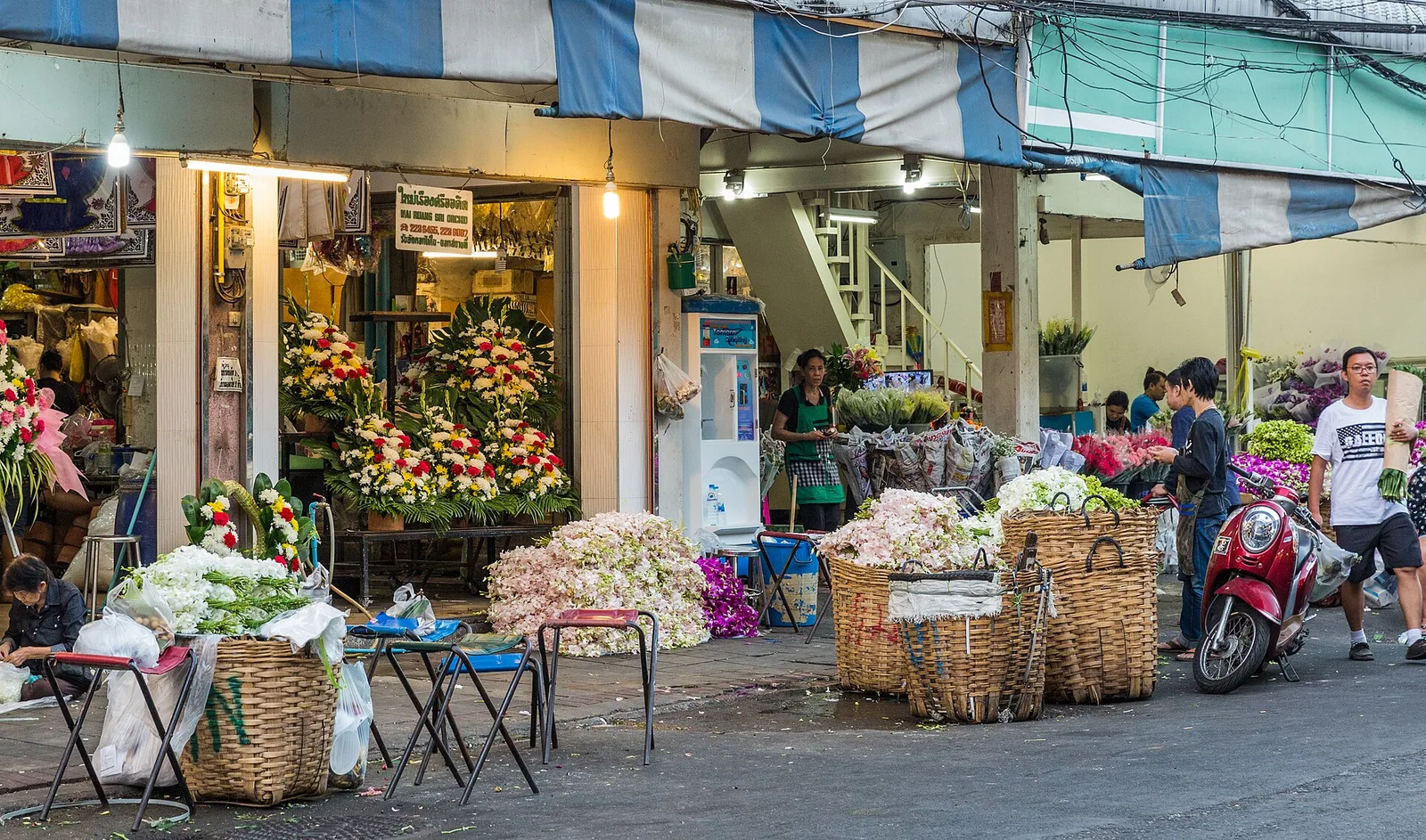
There is no single Thai experience to master. Bangkok moves differently from Chiang Mai. Isaan has its own language, food, music, and identity. The South has distinct histories and traditions. Age, religion, family, profession, and personality shape people as much as nationality does.
Adaptation requires attention to regional and individual differences, basic Thai language skills, respect for the setting, and regular participation in local life.
This article expands Question 11 from 14 Questions to Ask Before Retiring or Living Long Term in Thailand.
Pay attention to what people value
Etiquette matters in temples, homes, ceremonies, and interactions involving elders. The customs make more sense when you understand the values behind them.
Start by noticing what people value.
Food often carries hospitality, memory, regional identity, and family connection. Festivals link public celebration with quieter traditions. Respect can be communicated through language, tone, posture, timing, and attention. Humor may soften an uncomfortable moment. Generosity often appears in small practical acts.
None of these patterns describes every Thai person. Thailand is modern, regionally diverse, politically complex, internationally connected, and constantly changing.
Culture changes across generations, regions, families, and settings. Stay observant and allow what you learn to become more nuanced over time.
Learn Thai as an invitation into a bigger country
You do not need full fluency before speaking.
Learn greetings, polite particles, numbers, directions, food, transportation, apologies, medical basics, and how to say that you do not understand. Learn to ask someone to speak slowly. Learn to recognize your address and a few common signs.
Even modest Thai changes the experience of daily life. Conversations become warmer. Small jokes become possible. Markets, taxis, neighborhood restaurants, clinics, and local events feel less distant.
Language also reveals how varied Thailand is. Official Thai cultural information notes that regional speech differs in accent and vocabulary. Northern Thai, Isaan speech, Southern varieties, and Bangkok Thai carry different histories and identities.
Those differences are part of what makes the country interesting.
Use etiquette to express respect
A few practical norms are worth learning early:
- remove shoes where the home, temple, or business expects it;
- dress appropriately and follow posted rules in temples;
- avoid pointing your feet toward people, monks, or Buddha images;
- do not touch someone’s head casually;
- use the wai thoughtfully and follow the social cues around you;
- show particular respect toward elders, monks, sacred spaces, and national institutions;
- ask before photographing people during worship or private moments.
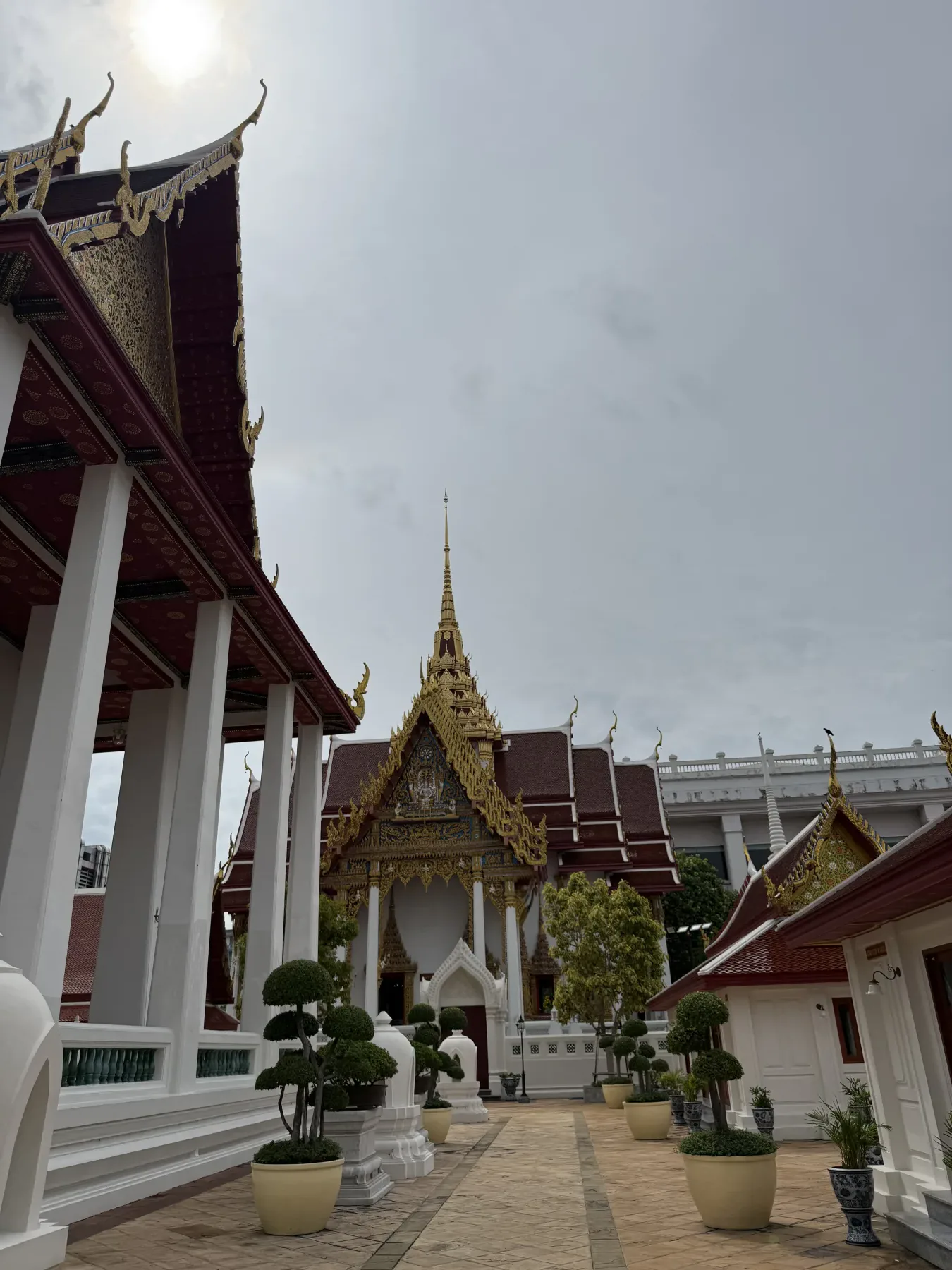
Thailand’s official temple guidance emphasizes calm behavior, appropriate dress, privacy, and respect for active religious spaces.
These practices communicate consideration. A sincere apology and willingness to learn will usually take you further than nervously trying to execute every gesture perfectly.
Protect dignity when something goes wrong
Living anywhere eventually produces misunderstandings, delays, mistakes, and frustrating conversations.
In Thailand, a loud public confrontation may make resolution harder. Lowering your voice, moving the discussion away from an audience, and giving everyone room to solve the problem can work better.
This is sometimes discussed as “saving face,” but that phrase becomes lazy when foreigners use it to explain every disagreement. Thai people are individuals. Directness varies by age, region, profession, family, and personality.
The practical lesson is simple: clarity and dignity can coexist.
Ask calm questions. Confirm consequential details in writing. Use a qualified interpreter for healthcare, legal, immigration, or contractual matters when necessary. Do not mistake politeness for agreement, but do not mistake volume for effectiveness either.
See the meaning beneath the spectacle
Thailand’s most visible traditions often contain quieter layers.
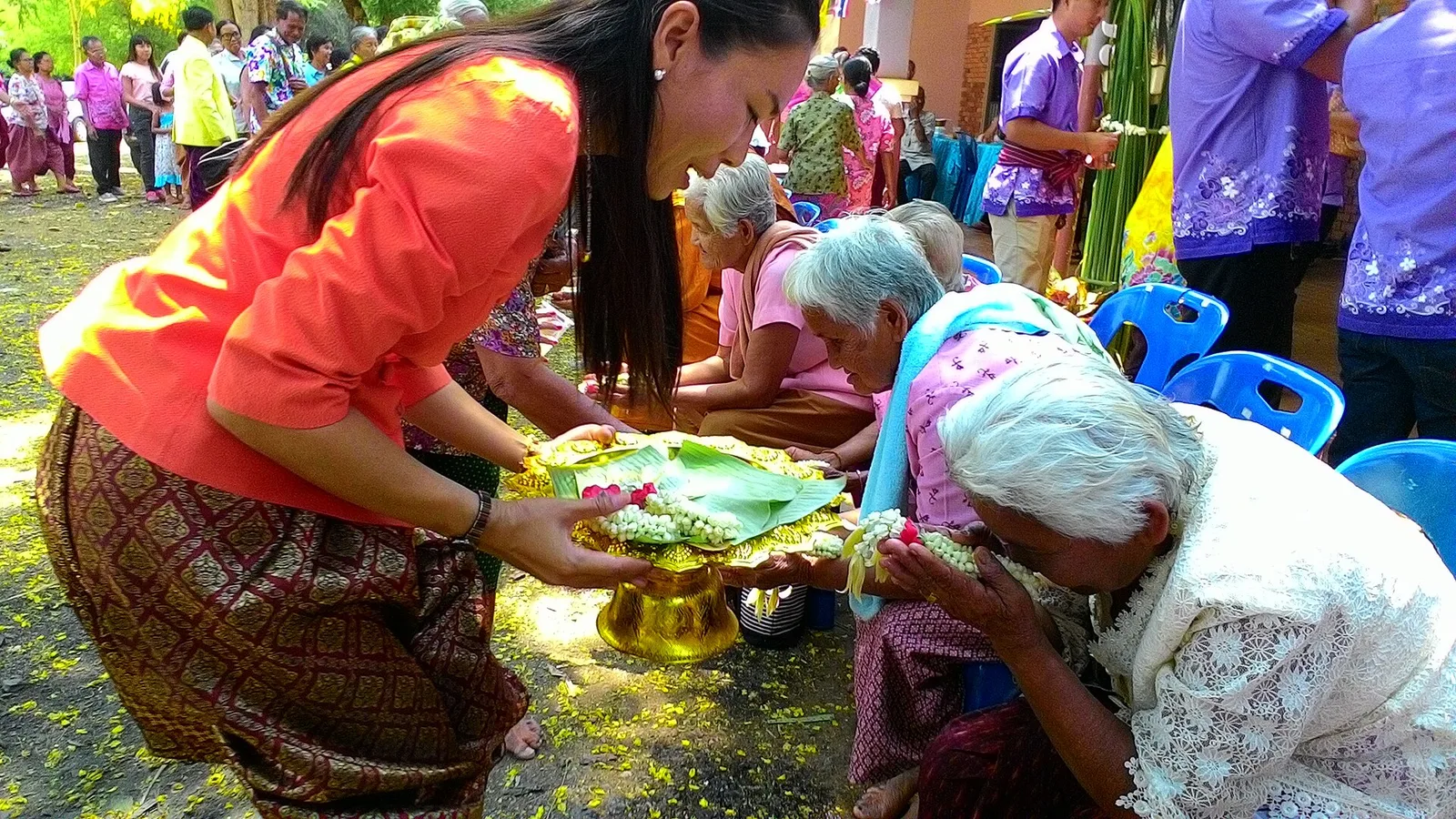
UNESCO describes Songkran as a time for family reunion, respect for older adults and ancestors, cleansing, forgiveness, cooperation, and good fortune. Water play is part of the celebration, but it is not the whole tradition.
The same principle applies throughout the country. A festival may include religious practice, local history, regional clothing, music, food, craft, family obligations, and community participation alongside the public celebration visitors see.
Ask what an event means locally. Observe before inserting yourself. Follow the lead of the people hosting it.
Participation improves when you learn the context rather than treating local culture as scenery.
Build community through repeated participation
Friendship rarely appears because someone attended one networking night with impressive enthusiasm.
It grows through familiarity.
Join a language class, sports club, running group, dance class, gym, religious community, professional association, creative workshop, volunteer organization, or hobby group that meets regularly. Visit the same market. Return to the same neighborhood restaurant. Attend local events without expecting each one to transform your life.
Hobbies and recurring activities give relationships time to form without the pressure to manufacture instant friendship. You already have something to do together.
One event creates introductions. Repetition creates trust.
Let the expat community be one part of a wider life
A good expat community can be invaluable.
Other international residents understand relocation, homesickness, language fatigue, visas, schools, cross-border families, and the strange experience of rebuilding an adult social life. They can become close friends.
Foreign friends can make the move easier. Trouble begins when one narrow circle becomes your only version of Thailand.
Some expat groups focus heavily on complaints and comparisons with home. Include activities and relationships outside a narrow foreign-resident routine.
Keep the friendships. Widen the routine.
Take Thai lessons. Join mixed local and international activities. Explore different neighborhoods and regions. Follow Thai artists, chefs, athletes, writers, designers, musicians, filmmakers, and community organizations. Accept invitations that lead somewhere other than the usual expat venue.
Friendship is a relationship, not proof of cultural success. Build a life with room for more than one perspective.
Build a social life that extends beyond drinking
Bars can provide quick social contact after moving abroad, but they are only one setting for building a community.
There is nothing inherently wrong with enjoying Thailand’s bars, nightlife, or a drink with friends.
The risk appears when drinking becomes the default answer to loneliness, boredom, dating, celebration, stress, and friendship. If every social connection requires another round, the circle can feel large while the life around it becomes narrow.
Alcohol-centered expat culture can also normalize habits that would have worried you at home. Late nights become routine. Exercise disappears. Mornings are lost. The same conversations repeat. People who want a different pace quietly stop attending.
The World Health Organization notes that alcohol risk depends on the amount, frequency, personal health, and context, and that drinking is associated with injuries, several diseases, and mental-health and behavioral conditions.
Nightlife can be a fun part of living in Thailand. A healthy social life also gives you places to connect during the rest of the day and week.
Build plans that still work without alcohol:
- breakfast or coffee groups;
- running, cycling, swimming, football, golf, martial arts, or gym classes;
- language exchanges with an actual learning component;
- cooking, photography, art, music, dance, board games, or book clubs;
- volunteering through reputable organizations;
- day trips and domestic travel;
- faith communities and meditation groups;
- professional, parent, and neighborhood networks.
If you enjoy drinking, keep other friendships, interests, and routines active as well.
Allow Thai people to be modern, individual, and complicated
Foreigners sometimes praise Thai culture in a way that freezes it in the past.
Thailand holds temples, village life, traditional dance, and hospitality alongside contemporary art, fashion, pop music, technology, political debate, regional inequality, global business, environmental activism, changing family structures, and young people deciding which traditions they want to carry forward.
Thai people do not exist to teach foreigners a lesson about simplicity or kindness.
Meet the person in front of you. Cultural knowledge should make you more observant, not more certain that you already understand everyone.
Expect adjustment to arrive in waves
At first, difference may feel energizing. Later, the heat, language gaps, unfamiliar systems, traffic, or social uncertainty may become exhausting. Eventually, much of daily life becomes ordinary.
That cycle does not mean the move failed.
When irritation builds, pause before turning one bad afternoon into a verdict on an entire country.
Ask:
- Am I tired, lonely, hungry, or overwhelmed?
- Did I understand what was agreed?
- Is this a cultural difference, an individual problem, or simply a normal inconvenience?
- Have I stayed inside the same social bubble for too long?
- Is my week organized around activities that leave me feeling better afterward?
- When did I last do something in Thailand that made me curious?
Sometimes adaptation means learning a cultural pattern. Sometimes it means changing your routine. Sometimes it means admitting you need rest.
A practical 30-day community plan
Week 1: learn
Choose a Thai course or tutor. Learn the language needed for your neighborhood, transport, food, and daily errands.
Week 2: return
Pick two local places worth visiting regularly. Learn names naturally. Notice the rhythm of the neighborhood at different hours.
Week 3: join
Choose one recurring activity based on a genuine interest. Attend even if the first meeting feels awkward.
Week 4: widen
Plan one social activity that is not centered on drinking. Visit a cultural event, park, sports group, workshop, volunteer activity, or unfamiliar part of the city.
Then repeat the month.
Community is not built by completing thirty tasks. The plan works because it creates places to return to.
The fuller version of living in Thailand
Thailand offers far more than convenience and scenery.
It offers regional food traditions, temples and contemporary galleries, neighborhood markets and ambitious new restaurants, family festivals and modern music, gracious daily interactions and a sense of humor that can make a difficult day lighter.
You will never understand all of it. Nobody understands an entire country.
But you can build a life that stays curious.
Learn some Thai. Respect sacred and private spaces. Join something repeatedly. Keep good expat friends without allowing the bubble to become a wall. Enjoy nightlife without asking it to provide your entire community.
The more you participate, the larger Thailand becomes.
Editorial disclaimer: Thailand is culturally and regionally diverse. The patterns discussed here are starting points for respectful attention, not rules about every individual.