Healthcare · Long-term Thailand
How Will You Pay for Healthcare and Dental Care in Thailand?
Thailand can make routine care more affordable. It cannot make medical risk disappear.
Reviewed July 31, 2026 · Primary sources used for high-stakes claims

Routine private healthcare and dental care in Thailand may cost less than comparable U.S. care. Major hospitalization, cancer treatment, trauma, rehabilitation, and chronic care can still create substantial financial risk.
Decide how routine care, major claims, exclusions, direct billing, emergency deposits, and treatment outside Thailand will be funded.
This article expands Question 3 from 14 Questions to Ask Before Retiring or Living Long Term in Thailand. It focuses on the part the monthly cost guide deliberately leaves out: how you will pay when healthcare becomes more than an ordinary household expense.
See the end for answers to the questions retirees and long-term residents ask most often.
Thai hospitals bill in Thai baht. Every amount in this guide is shown in U.S. dollars for planning and rounded from published 2026 prices. Exchange rates move, and hospital packages frequently exclude complications, extra nights, specialist fees, implants, pathology, rehabilitation, and care for related conditions. Treat every figure as a planning reference, not a quote.
Separate routine costs from major medical risk
Do not evaluate a policy only by whether it reimburses a routine consultation. Review hospitalization, cancer treatment, emergency surgery, rehabilitation, and chronic care.
Routine expenses are predictable. Catastrophic expenses are not.
| Type of expense | Examples | Possible payment method |
|---|---|---|
| Routine care | Consultations, blood tests, medication, preventive checkups | Cash or outpatient coverage |
| Major medical care | Hospitalization, surgery, cancer, stroke, serious accident | Private insurance, qualifying government benefits, or a deliberately funded reserve |
| Dental care | Cleaning, filling, root canal, crown, implant | Usually cash, savings, or a separate dental benefit |
You do not necessarily need an insurer involved every time a doctor checks your blood pressure. You do need a believable answer for what happens when the bill has more zeroes than expected.
Healthcare cost examples
Thailand does not have one healthcare price. A public hospital in a provincial city, a neighborhood clinic in Bangkok, and a premium international hospital may provide very different experiences and charge very different amounts.
The following examples are rounded from published 2026 packages at major private-hospital groups. They are useful references, not national averages.
| Service | Illustrative published price |
|---|---|
| Annual health screening | $165 to $1,055 |
| Comprehensive screening for a man over 50 | About $845 |
| Comprehensive screening for a woman over 50 | About $1,010 |
| Colonoscopy package | About $805 |
| Gastroscopy and colonoscopy package | About $1,175 |
| Knee-replacement package at a regional private hospital | About $6,600 before exclusions or complications |
Check the underlying 2026 provider pages for health-screening packages, endoscopy packages, and orthopedic surgery. Published packages expire, change, and exclude different services. The baht price and written exclusions on the provider's current page control, not the rounded dollar example here.
A package price is a starting point. Read the exclusions before using it in a budget.
Dental care is affordable until it becomes a construction project
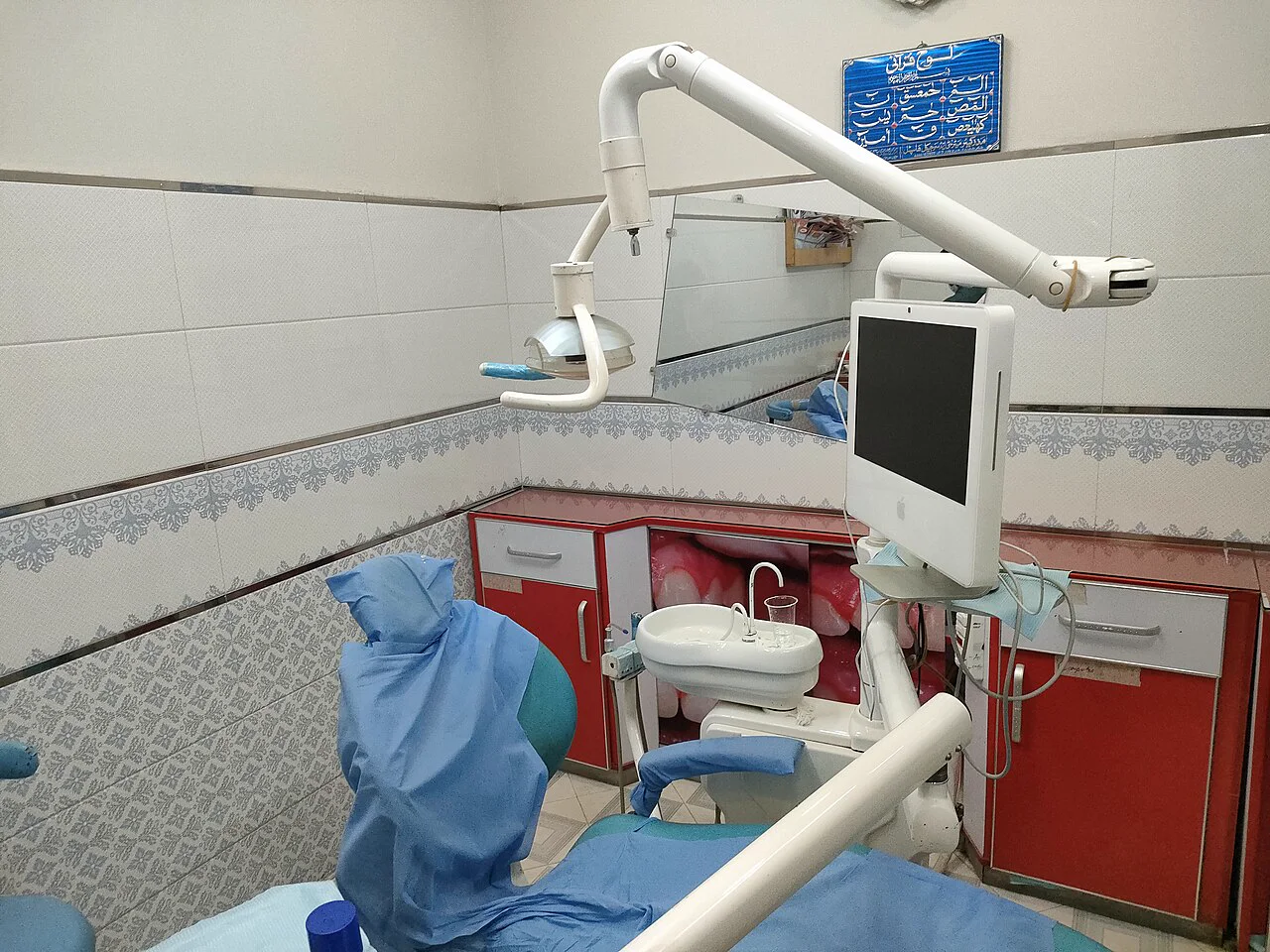
Many residents pay directly for routine dental care in Thailand. Published 2026 prices from a private Bangkok hospital provide an upper-market reference.
| Dental service | Illustrative published price |
|---|---|
| Consultation and treatment plan | $11 to $26 |
| Dental X-ray | $8 to $33 |
| Cleaning and polishing | $54 to $81 |
| Tooth-colored filling | $60 to $190 |
| Tooth extraction | $48 to $115 |
| Wisdom-tooth removal | $205 to $380 |
| Molar root canal | $570 to $600 |
| Ceramic crown | $600 to $695 |
| Implant including crown | $1,960 to $4,030 |
| Full denture, per arch | $790 to $1,355 |
These dental examples come from Bangkok Hospital's 2026 published dental fee schedule. They are an upper-market Bangkok reference, not a national price list.
Independent clinics and university dental hospitals may charge less. Complex cases involving bone grafting, sedation, advanced imaging, temporary restorations, or specialist work may cost more.
One neglected tooth can become a root canal, a crown, an extraction, an implant, several appointments, and a deeply personal relationship with the phrase “additional procedure required.”
Routine dental care may be inexpensive, while complex restorative work can still be costly.
Three practical ways to pay
Self-pay routine care
This can work well for consultations, ordinary laboratory work, preventive screening, minor illness, common prescriptions, physical therapy, and most routine dentistry. The danger is letting your success with small bills convince you that you can safely absorb every bill. Paying $60 for a cleaning proves you had $60. It does not prove you are prepared to finance cancer treatment.
Thai private insurance
A Thailand-based policy may fit someone who expects to receive nearly all care in Thailand. It can cost less than worldwide coverage and may have useful direct-billing relationships with Thai hospitals. Review annual limits, room caps, hospital networks, copayments, deductibles, renewal ages, and pre-existing-condition exclusions.
International expat insurance
International policies may offer higher limits, broader geography, evacuation benefits, and portability if you later move elsewhere. Adding U.S. treatment can increase the premium dramatically. A high-deductible international plan can be a coherent middle ground: you pay normal care yourself and transfer the risk of a major hospitalization.
Self-insurance requires sufficient liquid assets, a dedicated reserve, a plan for major chronic treatment, and a fallback hospital strategy. A credit-card limit alone is not a complete funding plan.
Insurance companies worth comparing
There is no single “best insurer for Thailand.” The right comparison depends on age, health history, deductible, geography, annual limit, outpatient needs, and whether U.S. treatment matters.
| Provider | Type | Why it may be on the list |
|---|---|---|
| Pacific Cross Thailand | Thai and regional plans | Thailand-focused coverage, visa-compliant options, local hospital relationships, and plans with different deductibles |
| AXA Thailand | Thai local plans | Local medical products and a large insurer presence; compare networks and renewal terms carefully |
| Allianz Ayudhya | Thai local plans | Local health products with several benefit structures and hospital-network options |
| LUMA | Thailand and Southeast Asia plans | Expat-focused regional options and international-health guidance for residents in Thailand |
| Cigna Global | International expat insurance | Worldwide plan structure, optional outpatient benefits, and configurable geographic coverage |
| APRIL International | International expat insurance | International plans with deductible and geographic choices |
| Now Health International | International expat insurance | Worldwide medical plans and several benefit levels |
Start with the providers' own materials: Pacific Cross, AXA Thailand, Allianz Ayudhya, LUMA, Cigna Global, APRIL International, and Now Health.
Then obtain several written quotes using the same deductible, geography, annual limit, and inpatient/outpatient assumptions. Otherwise, you are not comparing policies. You are comparing marketing pages.
What should you budget for insurance?
Insurers do not publish one reliable “Thailand expat premium” because age, medical underwriting, deductible, geography, and benefits change the result. Another person's premium is not your quote.
The broad annual ranges below are planning allowances assembled from 2026 insurer examples and broker illustrations. They are deliberately wide and should not be presented as guaranteed offers.
| Profile | Broad annual planning range | What moves the number |
|---|---|---|
| Healthy adult under 50 | $900 to $3,000 | Local versus international plan, deductible, annual limit, outpatient coverage |
| Adult age 50 to 59 | $1,500 to $5,000 | Underwriting, geography, room limits, evacuation, outpatient benefits |
| Adult age 60 to 69 | $2,500 to $8,000 | Age bands, pre-existing conditions, deductible, worldwide coverage |
| Adult age 70 and older | $4,000 to $15,000 or more | Entry and renewal age, exclusions, claims history, U.S. coverage, benefit level |
| Worldwide plan including substantial U.S. coverage | Often materially above the ranges shown | U.S. treatment is one of the largest premium drivers |
Three risks deserve specific attention: premiums can jump at age bands, renewal increases can exceed general inflation, and switching insurers may become harder after a new diagnosis. Those are not reasons to skip insurance. They are reasons to examine guaranteed renewability, age-band pricing, claim-based increases, and the consequences of changing providers later.
Do not compare the first-year premium alone. Ask what the same plan costs at 60, 65, 70, 75, and 80, and whether the insurer can alter terms because of your individual claims.
Do not confuse visa insurance with adequate insurance
Certain visa categories include insurance or financial requirements. Passing that test means the policy satisfies the immigration rule. It does not mean the policy is right for you.
If immigration status is still part of your planning, compare those requirements separately in Which Thai Visa Fits Your Situation in 2026?
Visa compliance does not answer whether your existing conditions are covered, your preferred hospital supports direct billing, cancer treatment has a sublimit, the room rate is fully covered, U.S. treatment is included, or the policy remains renewable as you age.
Compliance is necessary when the visa requires it. It is not the same as protection.
Hospital acceptance and direct billing are different
Direct billing is one of the most misunderstood parts of international healthcare.
- Direct billing: the hospital bills the insurer.
- Guarantee of payment: the insurer confirms what it will pay for a specific treatment.
- Pay and claim: you pay and request reimbursement later.
Even when a hospital works with your insurer, direct billing may require preauthorization. The insurer may approve only part of the estimate. If the hospital has not received a guarantee by discharge, you may need to pay and claim afterward.
Bumrungrad and Bangkok Hospital both explain that coverage, authorization, deposits, deductibles, exclusions, and payment responsibility depend on the insurer and the specific treatment.
Insurance does not eliminate the need for emergency cash or available credit.
Medicare does not become international because you moved internationally
Original Medicare generally does not cover care in Thailand. Narrow exceptions involving U.S. border areas and certain travel through Canada do not create meaningful coverage for someone retiring in Bangkok, Phuket, or Chiang Mai.
Some Medicare Advantage plans may offer foreign emergency benefits. Certain Medigap plans cover a portion of qualifying foreign emergencies during the first 60 days of a trip and normally carry a lifetime foreign-travel limit. Those are travel benefits, not comprehensive expatriate insurance.
Should you keep Medicare Part B?
There is no automatic answer. Keeping Part B preserves access if you return to the United States. Dropping it may save the premium while you live overseas, but later enrollment can involve delays and a continuing late-enrollment penalty unless you qualify for a Special Enrollment Period.
The standard Part B premium is $202.90 per month in 2026. Review possible U.S. return, current health, other benefits, future enrollment rights, and late penalties before canceling it.
Veterans and military families have additional options
VA Foreign Medical Program
The VA Foreign Medical Program can cover medically necessary foreign care for eligible service-connected conditions and certain related conditions. It is not general worldwide coverage for every illness or injury. A veteran may need separate protection for everything outside the eligible condition.
TRICARE overseas
Eligible military retirees and family members may use TRICARE Select Overseas or other overseas benefits depending on status and Medicare eligibility. Confirm enrollment, deductibles, cost shares, prior authorization, provider arrangements, and whether you must pay first.
CHAMPVA overseas
CHAMPVA can provide benefits overseas, but patients may need to pay and seek reimbursement. A generous benefit can still create a cash-flow problem when the hospital wants payment today.
Dental insurance may not be the smartest way to pay for dentistry
Many long-term residents will be better served by budgeting for dental care than buying an expensive dental rider. Run the numbers.
A policy may add hundreds of dollars per year while imposing a waiting period, a low annual maximum, partial implant coverage, or no benefit for existing missing teeth. At Thai prices, routine cleaning, fillings, and even some root canals may be manageable directly.
Before approving an implant or large treatment plan, ask for the diagnosis, total written treatment plan, implant system, crown cost, grafting and imaging costs, number of appointments, healing period, failure policy, and follow-up terms. For a large case, get a second opinion.
Where you live changes the healthcare plan
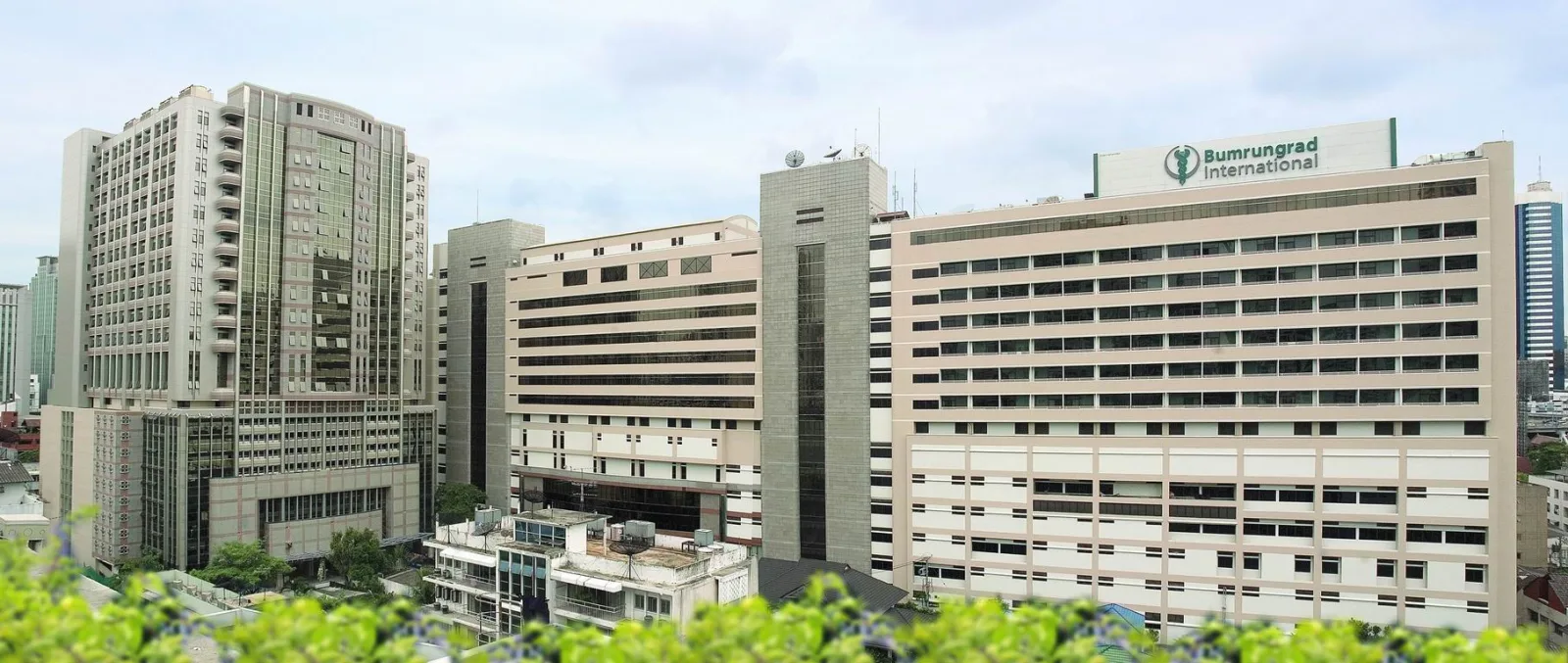
Bangkok
Bangkok has Thailand's deepest selection of private hospitals, university hospitals, specialists, cancer centers, advanced diagnostics, and international insurance departments. It is the simplest base for complex conditions or frequent monitoring.
Pattaya and Jomtien
The area has substantial private-hospital infrastructure and is practical for retirees who want coastal living without giving up access to a mature medical market.
Hua Hin
Hua Hin supports routine care and many specialist needs while remaining within practical reach of Bangkok for planned complex treatment. Decide in advance whether a serious case stays local or transfers to Bangkok.
Phuket
Phuket has strong private-hospital and international-patient infrastructure. It can suit people who want island living without giving up major private care.
Chiang Mai
Chiang Mai has major private hospitals, university care, specialists, and a large international community. It is one of the most practical regional choices in northern Thailand.
Koh Samui
Samui can handle many routine and emergency needs. Complex care may still require transfer to Bangkok, Surat Thani, or another major center. Island transport belongs in the emergency plan.
Rayong, Khon Kaen, Korat, Chiang Rai, Krabi, and other regional cities
Regional centers often have respected public hospitals and growing private networks but fewer highly specialized choices. Confirm that the available hospitals can handle the care you are reasonably likely to need.
Build the healthcare plan in four parts
Routine-care budget
Budget normal appointments, blood work, medication, eye care, physical therapy, dental cleanings, fillings, and preventive screening. A six-month dental recall is not an emergency.
Catastrophic protection
Use Thai inpatient insurance, international insurance, military or veterans benefits where eligible, or a genuinely funded medical reserve. Read the contract, not the brochure.
Emergency liquidity
Keep access to the deductible, copayments, excluded expenses, hospital deposits, travel to another city, accommodation for family, medication, and reimbursement delays.
Evacuation and fallback
Choose the local hospital, preferred major center, U.S. fallback, decision-maker, records location, and transportation plan. A seriously ill patient may need medical clearance, assistance, or a specialized evacuation rather than a normal commercial flight.
Questions to ask before buying insurance
- What are the annual and lifetime limits?
- Which pre-existing and related conditions are excluded?
- Are cancer drugs, chronic illness, rehabilitation, home nursing, and medical devices covered?
- Is the deductible annual, per condition, or per admission?
- Are room, surgeon, anesthesiologist, and ICU charges subject to separate limits?
- Is coverage Thailand-only, Asia-wide, worldwide excluding the United States, or worldwide including the United States?
- Is renewal guaranteed? Is there a maximum renewal age?
- Can the premium rise because of your individual claims?
- Which hospitals support direct billing, and when is preauthorization required?
- Is outpatient or dental coverage worth the extra premium?
Print the answers. “An agent told me on WhatsApp” is not a policy provision.
Prepare before you need care
Keep your passport copy, insurance card, policy number, emergency number, preferred hospitals, medication list, allergies, diagnoses, emergency contacts, advance directive, power of attorney, and recent records on your phone and in a secure shared folder.
Thailand's national emergency medical number is 1669. Know the nearest appropriate hospital before an emergency, especially on islands, in mountain areas, or anywhere transport changes during storms and holidays.
Island or remote housing requires a specific transport and transfer plan for major medical care.
Sources
Government program rules and hospital prices are linked directly throughout this guide. For U.S. benefits, use Medicare, CMS, Veterans Affairs, and TRICARE as the authority. An insurer, broker, or hospital employee does not rewrite federal benefit rules.
Common questions
Is healthcare in Thailand cheap enough to go without insurance?
Routine care may be affordable to self-pay. That does not answer whether you can absorb hospitalization, surgery, cancer treatment, rehabilitation, or excluded care without damaging the rest of your plan.
Should I buy outpatient coverage?
Compare the extra premium with realistic outpatient spending. Frequent doctor visits or expensive covered medication may justify it. Someone who spends a few hundred dollars annually may be better off paying directly.
Can I use Medicare in Thailand?
Usually not. Original Medicare generally does not cover treatment in Thailand. Limited emergency travel benefits in some other Medicare-related plans are not substitutes for expatriate coverage.
Should I keep Medicare Part B?
It depends on possible U.S. return, future enrollment rights, premiums, other benefits, and late-enrollment penalties. Do not cancel it casually.
Does Thailand Privilege include healthcare?
It may include selected assistance or wellness benefits depending on the membership, but it is not comprehensive health insurance.
Does a retirement visa include healthcare?
No. Immigration status and healthcare payment are separate problems.
Is dental insurance necessary?
Often not for routine care. It can help when the premium is reasonable and the contract meaningfully covers major restorative treatment. Read the annual maximum and waiting periods.
Can I use VA healthcare in Thailand?
The Foreign Medical Program can cover eligible service-connected and related conditions. It is not general coverage for every illness or injury.
Will a Thai hospital bill my American insurer directly?
Sometimes. It depends on the insurer, policy, hospital, treatment, and authorization. Be prepared to pay first.
Should I live close to a hospital?
If you have significant or complex conditions, yes. Lower rent does not compensate for being hours from care you regularly need.
The bottom line
Build the plan around total risk
Thailand gives long-term residents access to strong medical and dental care at prices that can be genuinely attractive. That does not remove financial risk. It changes the size and structure of the risk.
You may insure major inpatient costs, self-pay routine treatment, maintain a medical reserve, keep Medicare for a possible U.S. return, use VA or military benefits, pay directly for dentistry, or combine several approaches.
The exact answer will differ. The requirement does not.
You need a plan that still works when you are sick, frightened, and unable to negotiate.
You cannot predict every illness. You can make sure one does not force your spouse to invent a financial strategy from a hospital hallway.
Thailand may make healthcare easier to afford. You still have to decide how you will pay for it.
Continue with the 14 Questions planning framework, the 2026 Thailand visa guide, or the Bangkok cost-of-living guide.
This article provides general educational information, not individualized medical, insurance, tax, legal, or financial advice. Benefits, premiums, eligibility, exclusions, provider networks, hospital prices, and government rules can change. Confirm consequential decisions with the responsible program, insurer, hospital, or qualified professional.