Places · Long-term Thailand
Where in Thailand Should You Live?
Compare healthcare, air quality, transport, housing, climate, airports, community, and recurring costs.
Reviewed July 31, 2026 · Later factual updates are dated within the guide
In this guide
Thailand is not one lifestyle with different backgrounds. Bangkok, Chiang Mai, Hua Hin, Pattaya, Phuket, Koh Samui, Chiang Rai, Rayong, and smaller provincial cities create different daily costs, healthcare risks, transportation needs, climates, social circles, and levels of inconvenience.
Compare locations using the factors that matter to your daily life: healthcare, air quality, transport, housing, climate, airport access, community, and recurring costs.
This article expands Question 4 from 14 Questions to Ask Before Retiring or Living Long Term in Thailand.
What should decide where you live?
Start with the parts of daily life that become expensive or exhausting when they are wrong:
| Factor | What to investigate |
|---|---|
| Healthcare | Hospital quality, specialists, emergency travel time, insurance network, and what happens if your needs increase |
| Air quality | Typical conditions, seasonal smoke, traffic pollution, construction dust, and whether you can leave during bad periods |
| Transportation | Rail, buses, ride-hailing, walking conditions, driving, parking, and the real time required for routine trips |
| Housing cost | Rent or ownership cost for the neighborhood and building standard you would actually choose |
| Daily cost | Groceries, restaurants, utilities, transport, healthcare, gyms, cleaning, and imported products |
| Climate | Heat, humidity, rain, flooding, smoke season, and island weather |
| Airport access | Door-to-terminal time, route network, fares, and the cost of returning to the United States |
| Daily convenience | Banking, QR payments, delivery, repairs, English support, and services outside tourist areas |
| Community | Thai-language access, local relationships, foreign-resident networks, family fit, and how you will spend an ordinary week |
Lower rent may require a motorcycle or car. Chiang Mai’s value must be weighed against seasonal smoke. Hua Hin can feel calm but more car-dependent. Bangkok offers unrivaled access but charges for it in rent, noise, and time. Island life adds logistics that a holiday rarely reveals.
Choose the hospital radius first
People choose a beach, mountain, neighborhood, or rent budget and then ask about healthcare.
Reverse the order if health is likely to shape the move.
Decide:
- which specialists you need
- how often you need care
- whether you want a major international private hospital
- how far you can safely travel in an emergency
- whether you can drive
- whether your partner can manage transport alone
- what happens if your health becomes worse.
Bangkok has the deepest concentration of major private hospitals and specialists. Other large cities have strong care, but a complex condition may still send you to Bangkok.
A lower-rent home may cost more overall when it adds a vehicle, long medical trips, or frequent flights.
Decide whether you are buying convenience or space
Thailand frequently offers a trade:
- central location, smaller home, higher cost, and easier daily life
- larger home, lower rent, more driving, longer errands, and thinner services
Neither choice is morally superior.
Some people would rather live in a compact Bangkok condominium beside the BTS than own a large house that requires a car. Others would rather tolerate driving than hear another neighbor through a condominium wall.
Do not compare square meters without comparing the life required to reach those square meters.
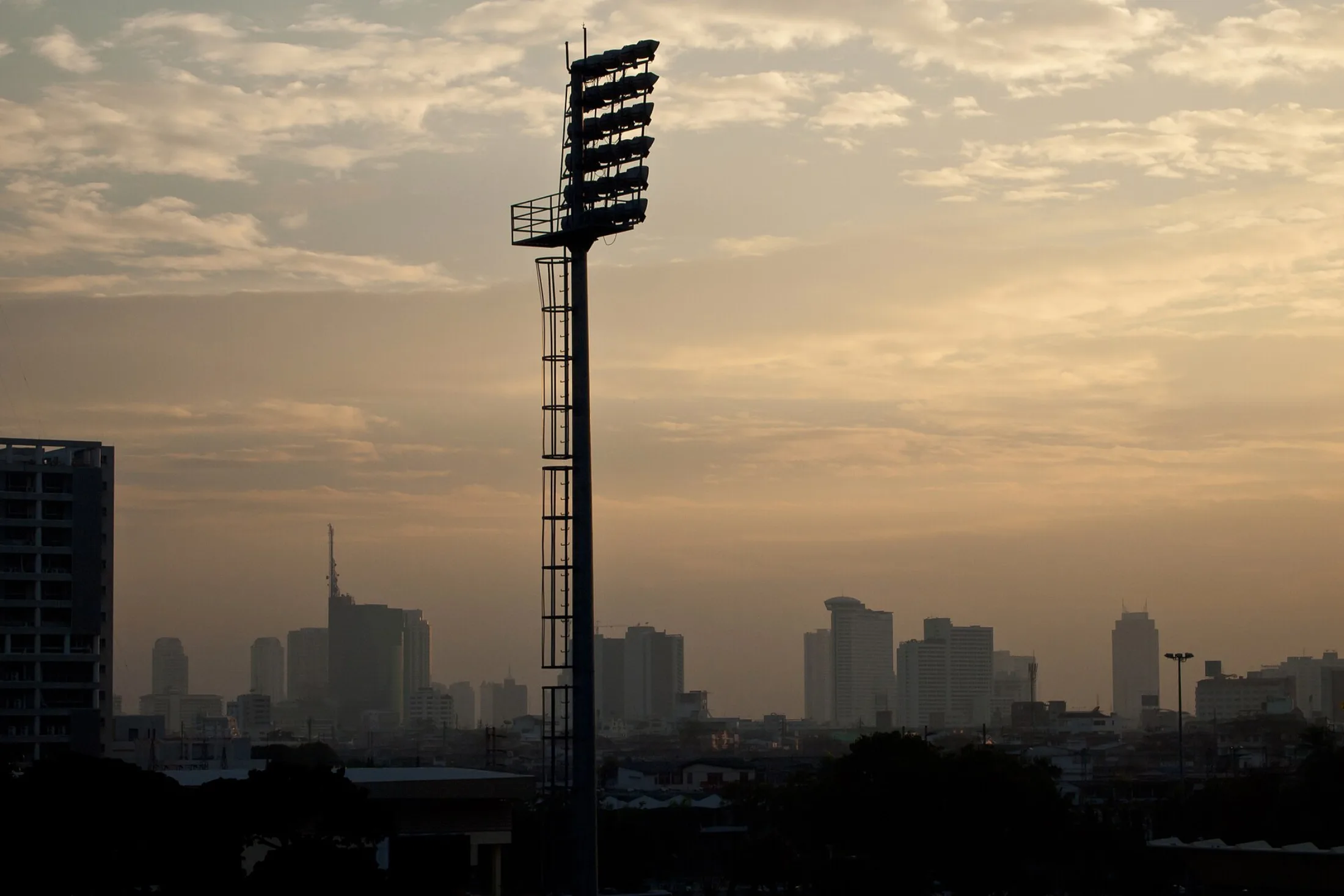
Bangkok: maximum access, maximum city
May suit
- major healthcare and specialists
- public transportation
- international flights
- people who do not want to drive
- professional work and networking
- restaurants, culture, shopping, and constant choice
- families needing multiple school options.
The price
- congestion
- noise
- heat amplified by the city
- expensive central housing
- long cross-city travel
- an ordinary week that can feel like logistics management.
Bangkok has Thailand’s widest range of specialist healthcare, international services, transport, and consumer options.
The follow-up question is how long it takes to cross town.
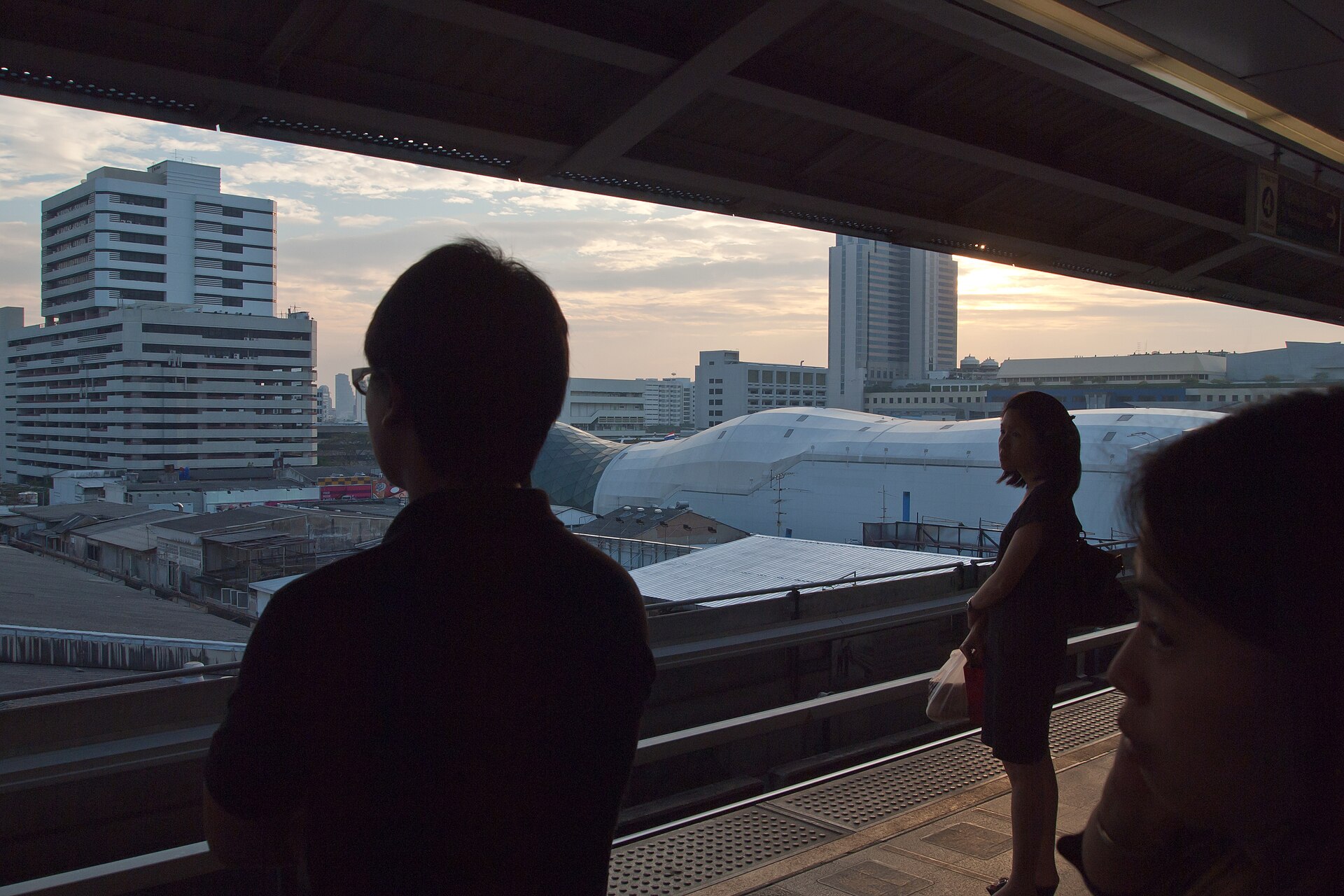
Bangkok also has two major airports, Suvarnabhumi and Don Mueang, and the country’s broadest transport network. But “Bangkok” is too large to function as one recommendation. On Nut, Ari, Sathorn, Chidlom, Bang Na, Ratchada, Nonthaburi, and riverside areas offer different costs and routines.
Choose the rail line and hospital before choosing the Instagram neighborhood.
May not suit
Anyone moving to Thailand primarily for silence, clean air, low-density living, or easy access to nature.
Chiang Mai: the easier city with one difficult season
May suit
- a slower urban pace
- lower housing costs than prime Bangkok or Phuket
- cafés, coworking, creative communities, and food
- access to northern culture and mountains
- people who want city services without Bangkok’s scale.
The price
- seasonal air-quality risk
- less public transportation
- reliance on ride-hailing, motorcycles, or cars
- fewer nonstop international options than Bangkok
- specialist care that may occasionally require Bangkok.
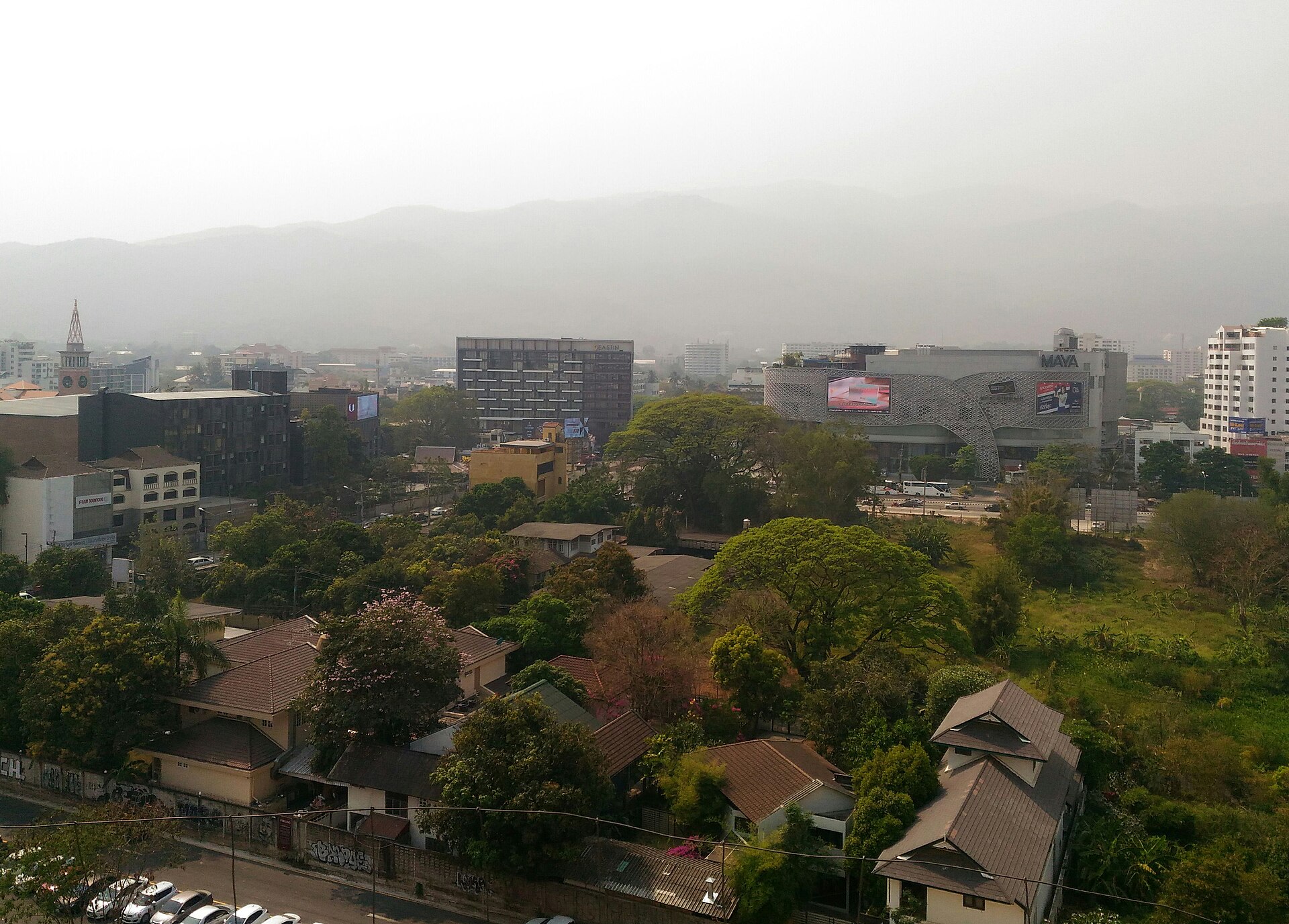
Do not evaluate Chiang Mai only during the cooler season; air quality and heat vary substantially by season.
Air quality in northern Thailand can deteriorate significantly during burning season. The timing and severity vary by year. Seasonal pollution should be a major location factor for people with asthma, cardiovascular disease, or strong sensitivity to poor air quality, as well as families with young children.
Chiang Mai International Airport makes domestic and regional travel practical, but the airport’s central location can also create aircraft noise in some neighborhoods.
May not suit
People who need consistently better air, beach access, or a true rail-based daily life.
Hua Hin: calm, practical, and comfortable in its own skin
May suit
- retirees wanting a manageable beach town
- people who prefer routine over nightlife
- access to Bangkok without living in Bangkok
- golf, walking, markets, and a slower schedule
- couples and families who want a less intense urban environment.
The price
- car or motorcycle dependence in many areas
- a smaller social and cultural scene
- less specialist healthcare than Bangkok
- a town that can feel too quiet for people who need constant novelty
- weekend and holiday traffic from Bangkok.
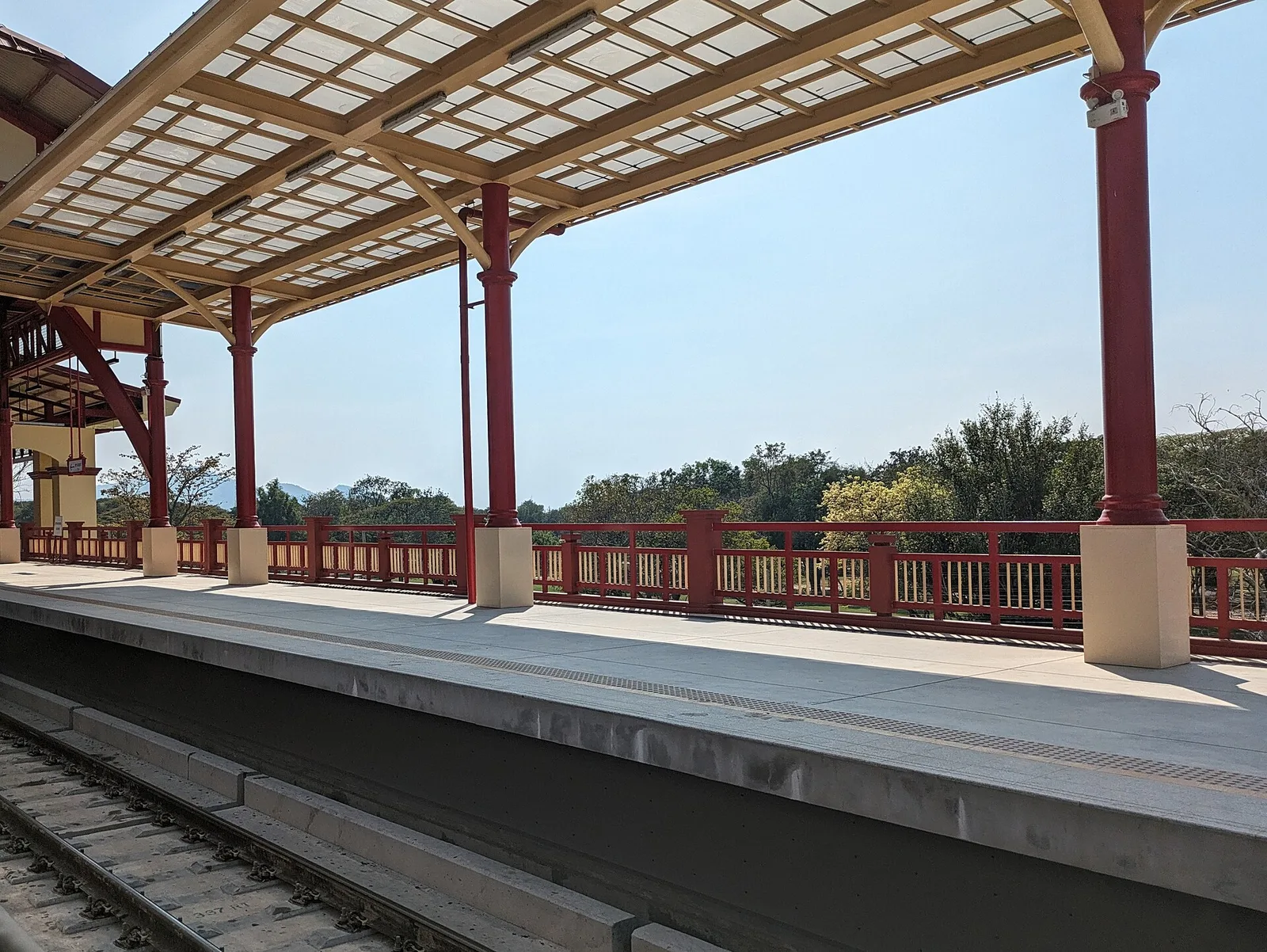
Hua Hin is an established beach-resort city connected to Bangkok by road and rail. The beach is urban, the town is spread out, and walking conditions vary by neighborhood.
That practicality is the appeal.
You can have hospitals, malls, markets, golf, restaurants, and the sea without turning every day into a tourist excursion. Bangkok remains reachable for specialist care and major flights, though the trip is not something you want to improvise during an emergency.
May not suit
Singles seeking a large dating or nightlife scene, people who refuse to drive, and anyone expecting Phuket scenery at Hua Hin prices.
Pattaya and Jomtien: convenience with a reputation that hides the rest of the city
May suit
- strong everyday convenience
- extensive foreign-resident services
- hospitals and dental care
- beach access close to Bangkok
- active social life
- people who want many housing choices
- regional access through U-Tapao and Bangkok airports.
The price
- traffic
- uneven urban quality
- nightlife districts that dominate the city’s reputation
- tourist pricing and noise in some areas
- a social environment that may not fit every family or retiree.
Pattaya is often dismissed by people who have seen three streets and one documentary.
The broader Pattaya and Jomtien area contains ordinary neighborhoods, large condominium markets, international schools, hospitals, golf, marinas, restaurants, and substantial long-term communities.
Jomtien may suit someone who wants beach access and convenience with less intensity than central Pattaya. East Pattaya can offer houses and space but usually requires driving.
Pattaya contains several very different lifestyles close enough together to confuse the comparison.
May not suit
People who are deeply uncomfortable with its tourism economy, want a polished pedestrian city, or expect a quiet beach everywhere.
Phuket: island beauty with mainland prices in disguise
May suit
- beaches and outdoor life
- international airport access
- established international schools
- private healthcare
- higher-end restaurants and services
- people whose budget can absorb convenience.
The price
- high rents in desirable areas
- severe traffic on limited roads
- car dependence
- tourist-area pricing
- wet-season realities
- island logistics
- crowded high season.
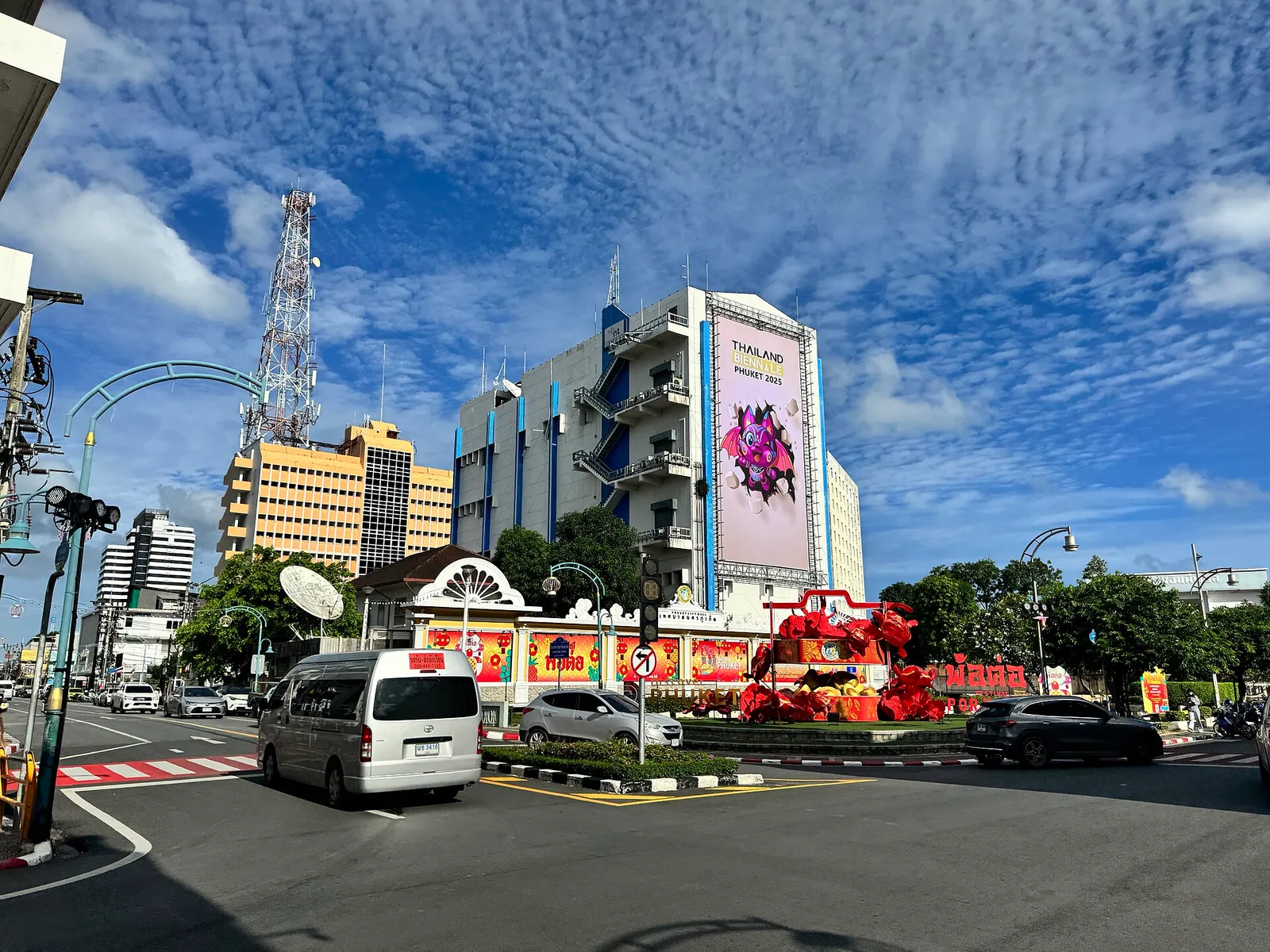
Phuket is not one destination. Rawai, Kata, Bang Tao, Phuket Town, Patong, Kamala, Chalong, and Mai Khao are different daily lives.
Living near the beach may place you far from the school, hospital, office, or other beach where your friends live. The map looks small. The traffic makes philosophical arguments about distance.
Phuket International Airport gives the island strong domestic and international access. Private healthcare and international services are substantial. But the island premium appears in rent, transport, dining, and the ease with which tourist habits become permanent habits.
May not suit
People seeking low-cost Thailand, reliable public transportation, or a quiet island untouched by tourism.
Koh Samui: the island life, including the island part
May suit
- tropical scenery
- beach-centered routines
- wellness and hospitality
- a smaller but established foreign community
- people who genuinely want island life.
The price
- limited road network
- expensive flights compared with mainland routes
- weather and ferry disruption
- higher imported-goods and service costs
- specialist healthcare limitations
- a smaller social world.
Samui provides island living, but specialized healthcare, some administrative tasks, and many onward journeys may require a flight.
Before moving, price the full transport chain to Bangkok: home to airport, flight, hotel if needed, hospital or appointment, and the return.
An island reduces options. That is part of the charm until you need an option.
May not suit
People who need regular specialist care, cheap domestic flights, big-city anonymity, or endless novelty.
Chiang Rai: slower, cheaper, and genuinely smaller
May suit
- lower housing costs
- quiet daily life
- northern culture and scenery
- people comfortable with driving
- retirees who do not need extensive international services.
The price
- smaller healthcare network
- fewer foreign-oriented services
- seasonal air-quality concerns
- less nightlife and social variety
- greater distance from Bangkok
- a smaller airport network.
Chiang Rai has an international airport and offers a quieter alternative to Chiang Mai. But “quieter Chiang Mai” is lazy shorthand. It is a smaller city with fewer services and a different social scale.
That can be the point.
If your ideal week includes a house, garden, local market, driving, and a small circle of people, Chiang Rai may fit better than paying for Bangkok access you rarely use.
May not suit
People who need major-city healthcare, large expat networks, public transit, or constant entertainment.
Rayong: practical Thailand without the lifestyle branding
May suit
- proximity to industry and the Eastern Economic Corridor
- lower costs than central Bangkok or Phuket
- access to beaches and islands
- people connected to work or family in the eastern provinces
- housing space and a more local environment.
The price
- car dependence
- less polished foreign-resident infrastructure
- industrial areas and environmental tradeoffs
- limited international cultural life
- specialist care that may require Pattaya, Chonburi, or Bangkok.
Rayong is a working provincial city and industrial center rather than a tourism-focused retirement destination.
The city and coastal areas can offer good value, access to Koh Samet, and a practical base for people whose work, partner, or preferred lifestyle is in the East.
Do not compare one beach road with the entire province. Industrial Map Ta Phut, Rayong city, Mae Ramphueng, Ban Phe, and inland areas are different environments.
May not suit
People who want a large foreign community, rail-based living, or a destination designed around retirees.
The scorecard that matters
Rate each serious location from 1 to 10 on:
| Factor | Weight for you | Bangkok | Chiang Mai | Hua Hin | Pattaya/Jomtien | Phuket | Samui | Chiang Rai | Rayong |
|---|---|---|---|---|---|---|---|---|---|
| Healthcare | |||||||||
| Housing value | |||||||||
| No-car life | |||||||||
| Airport access | |||||||||
| Air quality | |||||||||
| Heat and rain fit | |||||||||
| Social/community fit | |||||||||
| Family fit | |||||||||
| Daily convenience | |||||||||
| Travel access |
Do not let every factor carry the same weight.
If healthcare is critical, it may deserve 25% of the decision. If you fly internationally six times a year, airport access matters more than it does for someone who rarely leaves the province. If you hate driving, a beautiful house in a car-dependent area is not beautiful enough.
An overall score is not useful unless the factors are weighted for the household.
Test the exact neighborhood and routine
After choosing two cities, choose two neighborhoods in each.
Live there long enough to test:
- hospital travel time
- groceries
- noise
- rain and drainage
- transport after dark
- air-conditioning and electricity
- internet
- exercise
- social routine
- airport trip
- the cost of an ordinary week.
Bangkok beside the BTS and Bangkok deep in an outer soi are different lives.
Phuket Town and Bang Tao are different lives.
Central Pattaya and Jomtien are different lives.
Hua Hin town and a development twenty minutes inland are different lives.
The city gets you onto the shortlist. The neighborhood decides whether you stay.
The problem test
Every place has a problem.
- Bangkok: scale and congestion.
- Chiang Mai: smoke season and transport.
- Hua Hin: quiet and car dependence.
- Pattaya: traffic, unevenness, and tourism intensity.
- Phuket: cost and traffic.
- Samui: island limitations.
- Chiang Rai: smaller services and smoke.
- Rayong: driving and industrial tradeoffs.
Do not choose the place with no downside. That place exists only in relocation marketing.
Choose the downside you can manage without becoming angry every week.
The answer
If you need major healthcare, international access, and a no-car life, begin with Bangkok.
If you want a slower creative city and can plan around seasonal air quality, test Chiang Mai.
If you want a manageable beach-town retirement within reach of Bangkok, test Hua Hin.
If you want convenience, social life, healthcare, and beach access near Bangkok, compare Pattaya and Jomtien honestly.
If beaches, schools, airport access, and international services justify a higher budget, compare Phuket by area.
If you genuinely want the reduced options of island life, test Samui during an inconvenient season.
If small-city quiet matters more than international convenience, test Chiang Rai.
If work, family, or a local coastal life pulls you east, examine Rayong without waiting for a retiree ranking to approve it.
Choose the place that supports the ordinary week and long-term requirements, not only a short visit.
It is the one where the hospital, grocery store, transport, weather, friends, budget, and boring Wednesday all fit into the same life.
Editorial disclaimer: General educational information. Conditions vary by neighborhood and change over time. Verify healthcare, transport, climate, housing, and airport needs for your circumstances.