Places · Bangkok neighborhoods
Living in Ari, Bangkok
Ari is easy to romanticize: leafy lanes, good food, a direct BTS station. The lease decision gets harder once you measure the walk, the traffic, and what the same rent buys elsewhere.
Reviewed July 31, 2026 · Later factual updates are dated within the guide
In this guide
Ari combines established residential streets, government and institutional offices, restaurants, cafés, schools, clinics, and direct BTS service.
Housing near the station can carry a premium. Walking conditions and station access vary outside the central area, and many cross-city trips require rail transfers or road transport.
Inspect the exact address and recurring routes before comparing Ari with other neighborhoods.
For a citywide comparison, start with Where Should You Live in Bangkok?. Ari’s transport tradeoffs are covered more broadly in Can You Live in Thailand Without a Car or Motorcycle?.
Ari in one minute
| Decision | What Ari does well | What to check |
|---|---|---|
| Rail | Direct BTS Sukhumvit Line access | Your routine may require transfers to the MRT or Silom Line |
| Housing | Mix of condominiums, apartments, houses, and quieter lanes | Limited supply near the station can carry a premium |
| Food | Strong Thai restaurants, cafés, bakeries, bars, and delivery | Popular venues do not guarantee good daily groceries near home |
| Walking | Pleasant pockets inside residential sois | Phahonyothin Road, broken pavement, heat, and deep sois |
| Parks | Reasonable access north to the Chatuchak park network | No large public park in the immediate station area |
| Healthcare | Clinics, dental care, pharmacies, and access to major hospitals | Choose the hospital before choosing the building |
| Car-free life | Good close to BTS and daily services | Deep addresses often depend on motorcycles or taxis |
| Social life | Relaxed restaurants, cafés, and neighborhood bars | Quieter and less internationally dense than central Sukhumvit |
First, decide what counts as Ari
The center of the neighborhood is BTS Ari on Phahonyothin Road, particularly the lanes running east and west from the station. In ordinary conversation and property advertising, the name can stretch toward Sanam Pao, Saphan Khwai, Pradiphat Road, Rama VI Road, and deeper residential pockets.
These areas overlap. They do not provide the same commute.
Beside BTS Ari
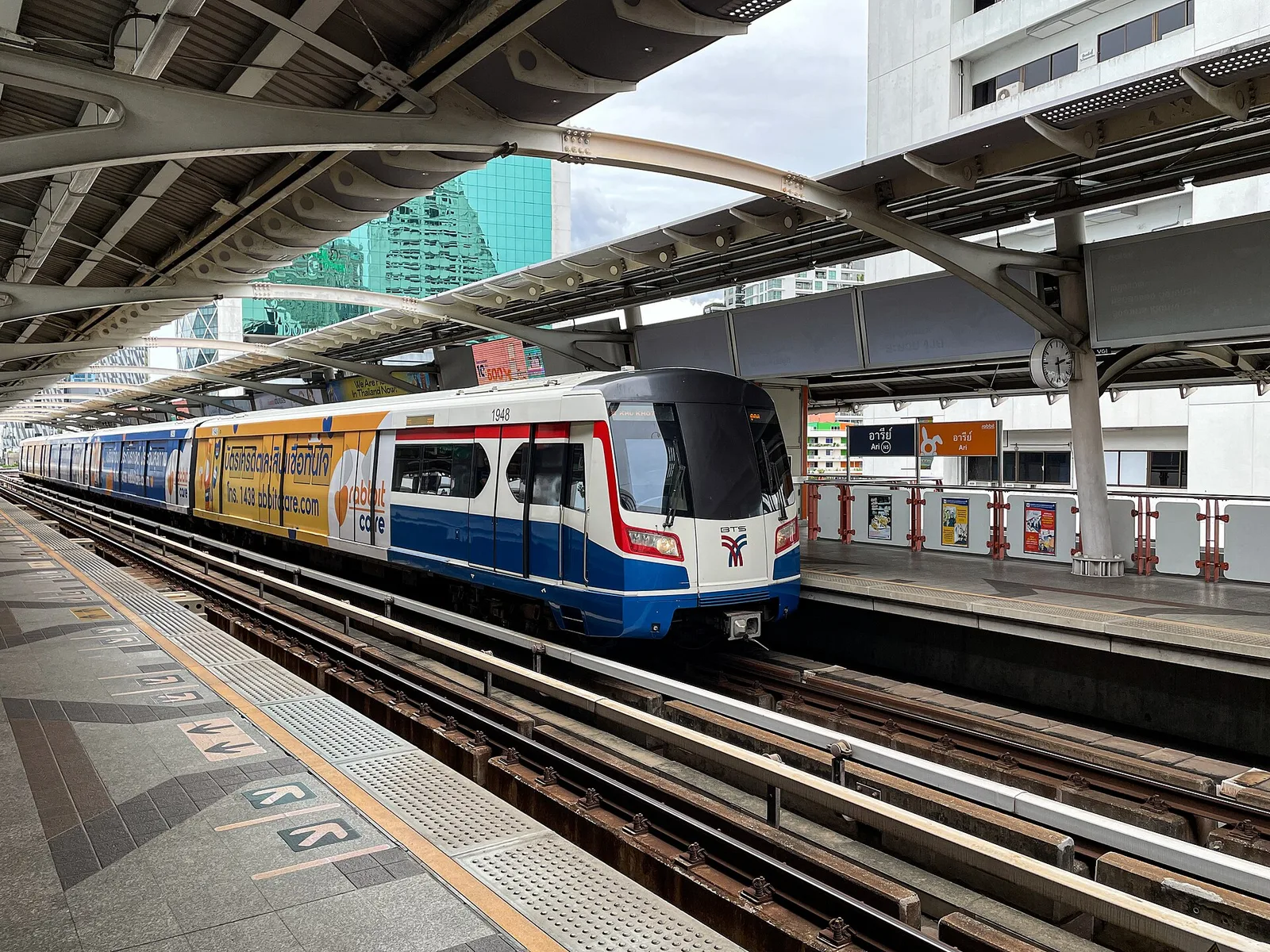
The station area provides direct access to rail, La Villa Ari, restaurants, services, offices, street food, taxis, and motorcycle stands.
It also places you close to Phahonyothin Road and the elevated railway. Check traffic noise, train noise, construction, and the route from the station entrance to the building. A short distance can still include an unpleasant crossing.
Ari Soi 1 to Ari Soi 4
These better-known lanes contain restaurants, cafés, homes, apartments, offices, and small commercial clusters. Some sections feel leafy and intimate. Others are busy with cars trying to use narrow streets built for a less fashionable neighborhood.
The number on the soi is not enough. Walk the exact branch lane.
Ari Samphan and the deeper west side
The Ari Samphan area extends west from the station corridor toward Rama VI Road. It offers houses, low-rise residences, food, offices, and quieter pockets.
The extra depth matters in heat and rain. Motorcycle taxis and ride-hailing can make the area practical. If you refuse both, the same address may become annoying.
Sanam Pao
One BTS stop south, Sanam Pao can provide a quieter residential alternative while keeping the same train line. Some buildings marketed around Ari are actually better served by Sanam Pao station.
Test both stations rather than obeying a listing title. The practical route matters more than the neighborhood label.
Saphan Khwai and Pradiphat
North of Ari, Saphan Khwai and Pradiphat offer a broader local food scene, more varied housing, and access toward Chatuchak. They can feel busier and less polished, sometimes at a better value.
If you like Ari but dislike the price, inspect this direction before moving ten kilometers away.
The BTS works well if your life follows it
Ari is station N5 on the BTS Sukhumvit Line. Trains run south through Sanam Pao, Victory Monument, Phaya Thai, Siam, Chit Lom, Phloen Chit, Asok, and the Sukhumvit corridor. Northbound service reaches Saphan Khwai, Mo Chit, Ha Yaek Lat Phrao, and stations farther north.
That makes Ari strong for a routine along the same line.
The friction appears when your life does not follow it.
Silom, Sathorn, Rama IX, Ratchada, riverside districts, and many international schools may require a transfer, a road trip, or both. The BTS to MRT interchange is not at Ari. A commute that looks central on a city map can still be structurally awkward.
Test the full trip at the time you will make it:
- walk from the exact building to the station;
- take the train during the morning peak;
- make every transfer;
- walk from the final station to the real destination;
- repeat the route in the evening;
- test the road alternative during rain.
Do not choose Ari because it is “central enough.” Decide whether it is connected to your week.
Walking quality changes street by street
Inside the better residential lanes, Ari can be one of Bangkok’s more enjoyable neighborhoods to explore on foot. There are trees, older homes, small restaurants, cafés, and less visual aggression than on the largest commercial roads.
Then the pavement disappears.
Cars, motorcycles, utility poles, driveways, drainage, construction barriers, delivery riders, and midday heat can turn an attractive fifteen-minute route into something you stop doing after the first month.
Walk the building-to-station route at noon and after dark. A Sunday-morning viewing is not enough.
Check:
- continuous pavement and safe crossings;
- lighting after dark;
- traffic at school and office hours;
- standing water after rain;
- street dogs on quieter branches;
- shade;
- whether the route feels comfortable while carrying groceries.
The correct unit may be farther away on paper but connected by a better street.
Motorcycle taxis are useful, and that tells you something
Motorcycle taxis fill the gap between Ari’s train station and its deeper residential lanes. They are fast, widely used, and especially valuable when the alternative is a hot walk beside slow traffic.
They also change the meaning of “near BTS.”
If you need a motorcycle at both ends of each workday, include the fares, rain plan, helmet problem, luggage problem, and personal risk tolerance in the housing decision. A building shuttle may reduce the friction, but only during its actual operating hours.
Renting your own motorcycle is a separate legal and safety decision. You need the correct motorcycle entitlement, documents recognized in Thailand, registration, insurance, and the skill to ride in Bangkok. An International Driving Permit does not add a motorcycle class that your home license does not contain.
Food and cafés: the reputation is deserved, but it can distort the decision
Ari is genuinely good for eating.
The neighborhood combines Thai restaurants, street food, specialty coffee, bakeries, dessert shops, casual bars, delivery, and destination venues that draw customers from across Bangkok. La Villa Ari provides an air-conditioned commercial anchor beside the station, while smaller clusters extend into the sois and toward Pradiphat.
The trap is confusing a good Saturday with an easy Tuesday.
Before signing, locate:
- the supermarket or fresh market you will actually use;
- inexpensive meals within your normal walking radius;
- late-night food after your preferred venues close;
- a pharmacy and basic household shop;
- laundry, repairs, salons, and delivery pickup;
- food options that fit your diet, not the neighborhood’s Instagram feed.
Ari can offer a rich neighborhood routine. It can also make someone pay destination-café prices while ordering groceries from somewhere else.

Parks and exercise: better access than immediate supply
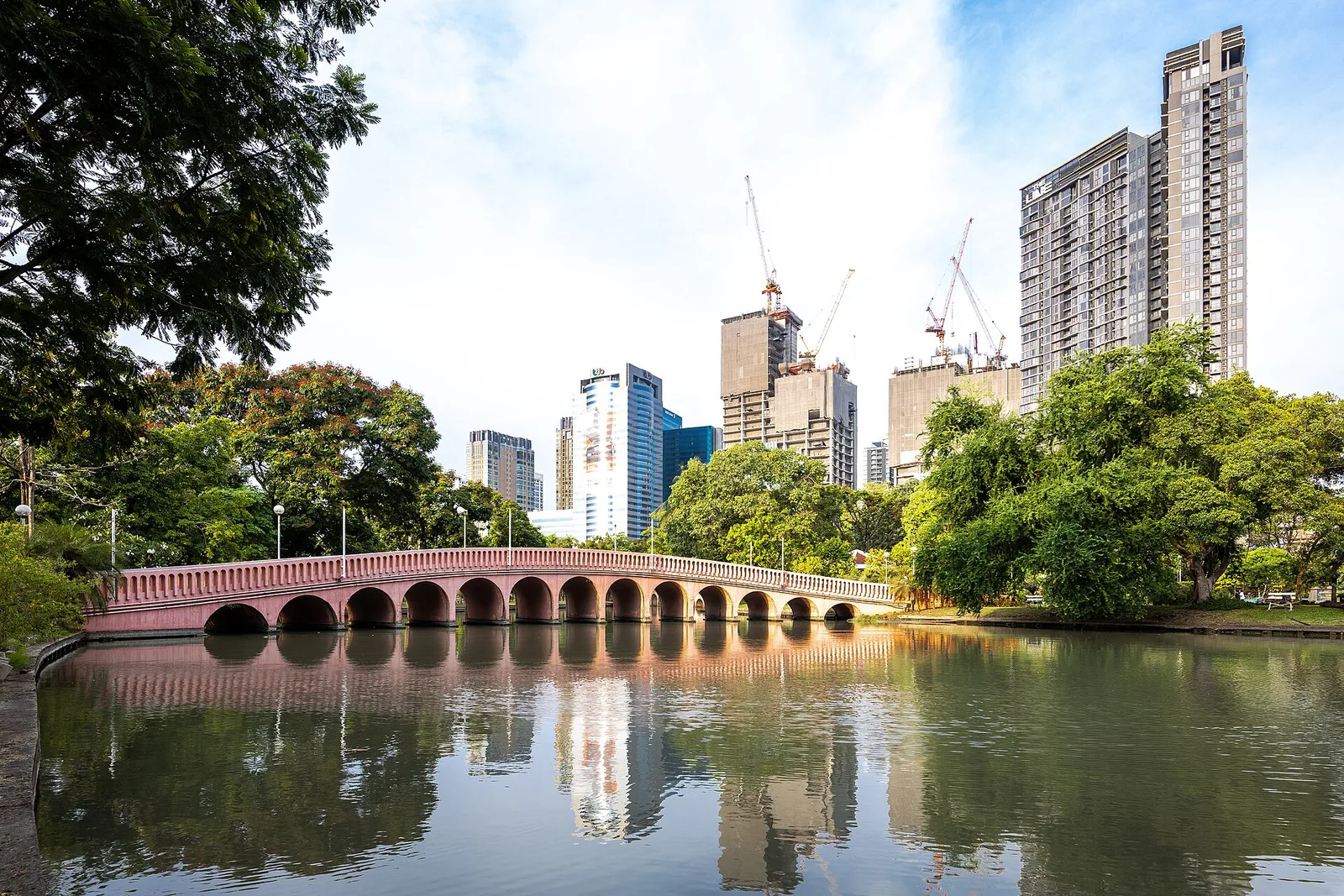
Ari does not have a large public park beside the station.
The major advantage is access north to Mo Chit and the Chatuchak park network, which includes Chatuchak Park, Queen Sirikit Park, and Wachirabenchathat Park, commonly called Rot Fai Park. Together they form one of Bangkok’s most useful large green areas.
That trip is practical by BTS. It is still a trip.
If you run every morning, a condominium gym or neighborhood route may matter more than a destination park several stations away. Visit the park at the time you would use it, then measure the full door-to-door routine.
Other exercise options include condominium facilities, commercial gyms, yoga and fitness studios, Muay Thai training, and walking inside larger commercial buildings during extreme heat or rain.
Housing: inspect the building behind the charm
Ari’s housing includes modern condominiums, older low-rise apartments, serviced residences, houses, converted properties, and units in neighboring districts sold under the Ari name.
The neighborhood premium is real. You are paying for a combination of rail access, identity, food, lower-rise streets, and limited supply in the most desirable pockets.
Compare buildings using more than rent:
| Housing choice | Likely advantage | Common tradeoff |
|---|---|---|
| Condo beside BTS | Fast commute and errands | Higher price, road or rail noise, smaller unit |
| Low-rise in a residential soi | Quieter setting and neighborhood character | Longer walk, fewer views, motorcycle dependence |
| Older apartment | More space and potentially better value | Variable maintenance, insulation, amenities, and payment practices |
| House | Privacy and room | Security, repairs, flooding, vehicle access, and limited supply |
| Sanam Pao or Saphan Khwai alternative | Similar rail corridor, possible value | Different food, walking, and neighborhood feel |
Inspect air conditioners, water pressure, window sealing, cooking ventilation, cellular signal, internet options, lifts, fire exits, parking, building management, and noise with the balcony door open.
Visit once during weekday traffic and once after 9 p.m. Ari contains peaceful lanes and busy restaurants. A unit between them can receive the worst of both.
Healthcare: map the care your household may need
Ari has pharmacies, dental offices, clinics, laboratories, and routine outpatient care. Larger hospitals are reachable in several directions, including the Victory Monument, Phaya Thai, Ratchathewi, Chatuchak, and central Bangkok corridors.
The best hospital depends on the condition, physician, insurance, language needs, and route from the building.
Before renting:
- choose an emergency department;
- choose the hospital or clinic for recurring care;
- test the journey by car during traffic;
- identify where regular prescriptions are available;
- ask whether ambulance and taxi pickup can reach the entrance;
- confirm insurance arrangements directly with the provider and insurer.
A BTS line is useful for planned appointments. It is not the whole emergency plan.
Traffic, rain, heat, noise, and air quality
Phahonyothin Road is a major corridor. Ari’s internal streets can be narrow. School traffic, office traffic, restaurant traffic, deliveries, ride-hailing pickups, and through-drivers compete for space.
This affects more than commute time. It affects noise, walking, air exposure, taxi acceptance, and whether a quiet lane remains quiet at dinner.
For flooding and drainage, ask about the building entrance, parking levels, side lanes, and the route to BTS. Inspect after rain if possible. General neighborhood reputation is less useful than the exact low point outside the property.
For air quality, use official Bangkok monitoring and plan indoor filtration if needed. A tree-lined lane may feel better without being protected from citywide or regional PM2.5.
If respiratory or cardiovascular health is a concern, compare road exposure, window sealing, ventilation, filtration space, and access to care before comparing rooftop pools.
Social life: sociable without demanding your entire night
Ari works well for people who want dinners, cafés, casual drinks, and familiar local places without living inside Bangkok’s biggest nightlife zones.
Station-side restaurants, small bars, rooftops, and clusters toward Ari Samphan and Pradiphat create a real evening scene. It is more dispersed and locally oriented than Soi 11, Thong Lo, or Ekkamai.
It can be easier to become a regular here than in a mall-heavy district. It may be harder to find a large international social network without leaving the area.
Nighttime conditions change quickly. A dead-end residential lane can be exceptionally quiet while a building near a bar cluster, main road, or popular restaurant receives music, parking, and ride-hailing traffic. Visit on Friday night before renting.
Who Ari fits
Ari is a strong candidate for:
- someone whose work and social life follow the northern Sukhumvit Line;
- a remote worker who wants cafés and a calmer neighborhood rhythm;
- a couple who prefers dinners and local bars to major nightlife;
- a resident who values Thai food and mixed local life over an expat bubble;
- someone willing to pay more for character and convenience near the station;
- a household comfortable using BTS, walking, taxis, and occasional motorcycles.
Who may be happier elsewhere
Look beyond Ari if:
- your daily destination sits on the MRT, Silom Line, or far eastern Sukhumvit;
- you need a large public park outside your door;
- you want luxury malls and international services within a short walk;
- you dislike motorcycles but are considering a deep-soi property;
- you want maximum space for the rent;
- your nightlife and friends are concentrated in Thong Lo, Ekkamai, Sathorn, or riverside Bangkok;
- you are choosing Ari mainly because other people describe it as cool.
The seven-day Ari test
Spend a week in the exact part of Ari you are considering.
Day 1: rail
Make the full commute during peak hours, including every transfer.
Day 2: walking
Walk between the building, BTS, groceries, pharmacy, and dinner at noon and after dark.
Day 3: healthcare
Travel to your likely clinic, dentist, hospital, and pharmacy.
Day 4: ordinary expenses
Buy groceries, do laundry, order delivery, and compare local transport costs.
Day 5: noise
Stay home during morning traffic, dinner, and late evening. Listen with the air conditioner off.
Day 6: weekend life
Use the park, café, gym, restaurant, market, or social routine you expect to repeat.
Day 7: leave Ari
Visit the person or place you will see regularly elsewhere in Bangkok. Time the return.
The final trip often decides whether Ari feels connected or merely attractive.
The verdict
Ari is one of Bangkok’s most appealing residential compromises. It offers direct rail, strong food, recognizable neighborhood life, and calmer streets than the largest commercial districts.
The higher rent may make sense when you spend time locally: walking to meals, returning to familiar businesses, using the north-central location, and having quieter evenings without feeling cut off.
It becomes harder to defend when the apartment is deep inside a soi, the workday points across town, groceries require improvisation, and every social plan ends with a long ride home.
Ari’s charm is real. Make sure the logistics are real too.
Sources and verification
Official and primary sources: