Laws · Thailand planning
Thailand Laws Foreign Residents Should Know
Thailand is easy to enjoy, but “everyone does it” is not legal advice. Understand the rules most likely to surprise a visitor or new resident, and verify them with Thai authorities.
Reviewed July 31, 2026 · Later factual updates are dated within the guide
In this guide
Thailand often feels relaxed. Enforcement can also feel uneven. Neither fact changes the law.
Foreign residents get into avoidable trouble when they mistake visibility for legality: a vape sold openly, a cannabis shop serving walk-ins, a motorbike rental offered without a licence check, or casual online work performed on the wrong immigration status.
This guide is a practical warning list, not legal advice. Rules and enforcement change. Follow the linked Thai government sources directly, and obtain qualified Thai legal advice when the consequences could affect your liberty, visa, work, or property.
Vapes and electronic cigarettes
Do not bring a vape into Thailand.
Thailand’s official government guidance states that electronic cigarettes are illegal and describes prohibitions covering import, sale, and possession. That includes devices, liquids, and related equipment. A product being available from an informal seller does not make it legal.
The safest rule is simple: leave the entire device and all supplies outside Thailand. Do not pack them in checked luggage, carry-on baggage, or a parcel. Do not assume that personal use creates an exception.
Read the current Thai government notice on electronic cigarettes before travel.
Cannabis is no longer a casual tourist purchase
Cannabis rules changed sharply after the highly visible retail expansion of earlier years. Thai government guidance says cannabis flower became a controlled substance in June 2025 and warns that unauthorized use, possession, or purchase is illegal.
Do not assume that an operating storefront is compliant. Do not carry cannabis across an international border in either direction. Do not smoke where it affects other people, and do not drive after using an impairing substance.
If cannabis is medically relevant, use a properly licensed medical provider and confirm the current prescription, quantity, possession, and travel rules. Start with Thailand’s official controlled-cannabis notice.
Alcohol has time, age, and place restrictions
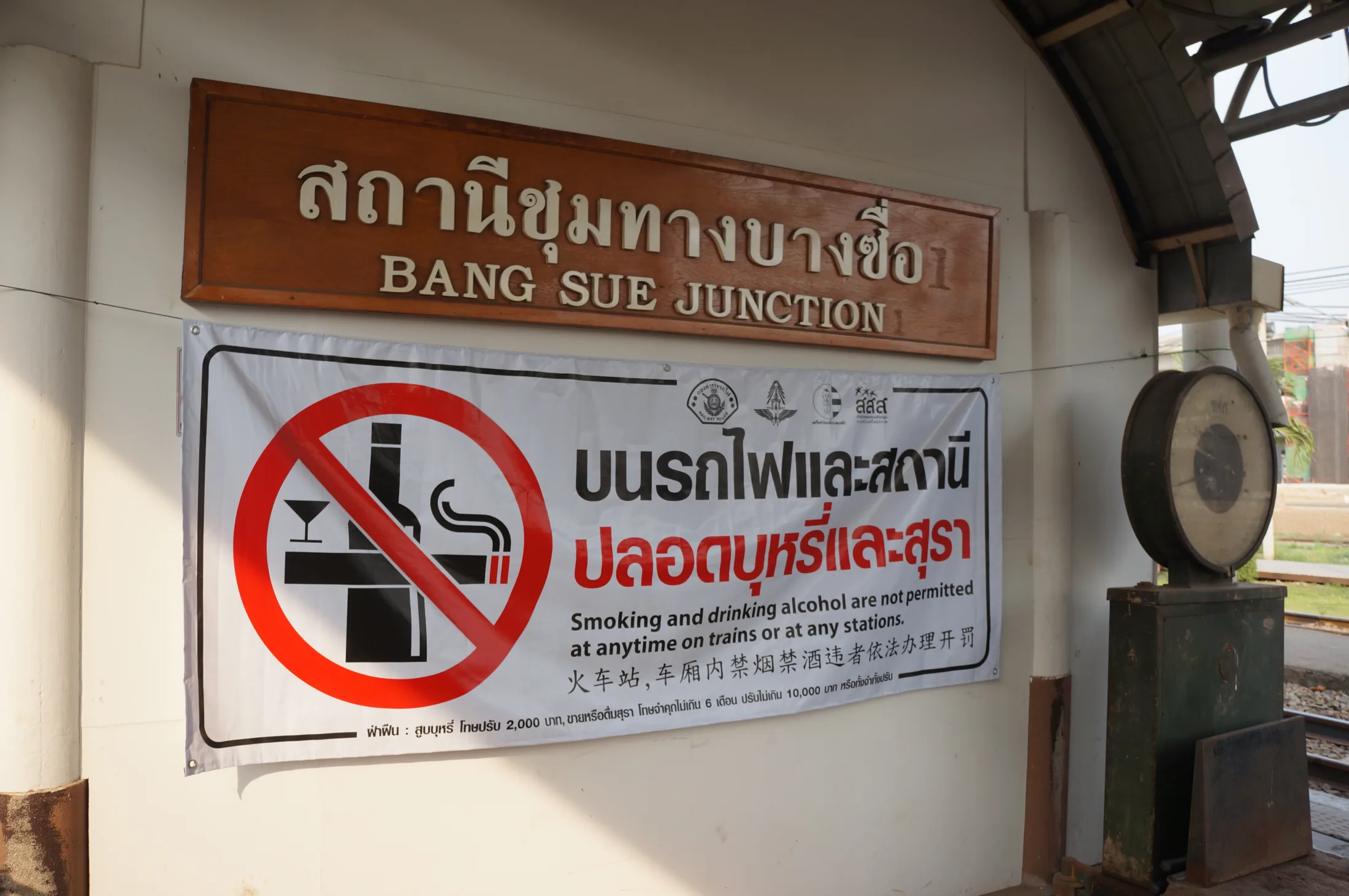
The legal drinking age is 20. Alcohol sales and consumption are restricted in certain locations, and special restrictions may apply on religious holidays and election days.
Sales-hours update checked September 7, 2026: Thai government guidance states that, effective May 29, 2026, alcohol may generally be sold from 11:00 to midnight, including the former 14:00–17:00 restricted period. Separate restrictions and exceptions still apply to particular places and dates. See the Thai government alcohol guidance.
Public drunkenness also creates risks beyond the alcohol law: injury, disputes, road offences, and police contact. Use licensed transport and keep a reliable route home.
Driving requires the right licence, insurance, and helmet
A rental shop handing over a motorcycle does not establish that you may legally drive it.
Carry a licence valid for the vehicle class and accepted in Thailand. For many visitors this means a home-country motorcycle licence plus the appropriate International Driving Permit. Long-term residents should investigate obtaining a Thai licence.
Wear a proper helmet. Confirm that the motorcycle or car is registered and insured. Understand that basic compulsory insurance is not comprehensive coverage for your injuries, the vehicle, passengers, or damage to others.
Never surrender your passport as collateral if a safer deposit arrangement is available. Photograph the vehicle at collection, including existing damage.
Your visa does not automatically authorize work
Permission to enter or remain in Thailand and permission to work are separate questions.
Employment, consulting, managing a local business, and some forms of hands-on volunteering may require specific authorization. Remote work is not made lawful merely because the client or employer is abroad. The answer depends on your status and the actual activity.
Use official Thai visa and labour channels and qualified counsel. Do not rely on a coworking-space conversation as your compliance plan.
Immigration reporting is your responsibility
Know the conditions attached to your permission to stay: expiry date, extensions, re-entry permits, address reporting, and any applicable 90-day reporting.
A landlord or hotel may have a reporting obligation, but you should still verify that your own record is correct. Leaving Thailand without a required re-entry permit can end certain permissions to stay. Overstay is not a strategy; it can produce fines, detention, removal, and restrictions on returning.
Keep copies of your passport identity page, current visa, entry stamp, extensions, reporting receipts, and landlord documents. Set calendar reminders well before every deadline.
Respect rules involving the monarchy, religion, and public order
Thailand has serious laws protecting the monarchy. Treat discussion and online posting with care. Do not damage currency, which bears the King’s image.
At temples, dress appropriately, follow posted photography rules, remove shoes where required, and do not climb on religious structures for a picture. Buddha images are religious objects, not casual décor or props. Export restrictions may apply to certain images and antiques.
Avoid confrontations with police or officials. Stay calm, request an interpreter or lawyer when needed, and do not sign a document you cannot understand.
Customs: declare rather than improvise
Thai Customs distinguishes prohibited goods, restricted goods, and goods requiring duty. Limits apply to tobacco and alcohol. Medicines, food, plants, drones, radio equipment, weapons, cultural objects, and commercial quantities can involve additional rules or permits.
Use the Thai Customs passenger guidance before packing. If you are unsure at arrival, use the declaration channel and ask.
Never carry a bag or parcel for someone else unless you know exactly what it contains.
Other mistakes that can become serious
- Gambling is broadly prohibited apart from limited authorized activities.
- Defamation can be criminal as well as civil, including online reviews and social posts.
- Photographing restricted government or military sites can cause problems.
- Flying a drone may require registration with more than one Thai authority and suitable insurance.
- Prescription medicines legal at home may be controlled in Thailand.
- Sexual conduct involving minors, exploitation, or non-consensual material carries severe consequences.
- Feeding, touching, or interfering with wildlife can violate park and conservation rules.
- Littering, smoking in prohibited areas, and public nuisance rules are enforced in some locations.
Build a personal compliance file
Keep a digital and offline folder with:
- passport, visa, entry, extension, and reporting records;
- driving licence, International Driving Permit, vehicle documents, and insurance;
- prescriptions and medicine import approvals;
- employment and work authorization;
- lease and landlord contact details;
- local lawyer and interpreter contacts;
- embassy contact and emergency information.
Recheck the official rules before each border crossing and whenever your work, residence, medication, vehicle, or family circumstances change.
The practical standard
Do not ask only, “Will I get caught?”
Confirm that the activity is lawful, documented, insured, and compatible with your immigration status. Follow current Thai rules and responsible authorities rather than informal advice.
Last reviewed: July 31, 2026. Laws and enforcement change; verify with the responsible Thai authority.