Bangkok daily life · Groceries
What Do Groceries Cost in Bangkok, and Where Should You Shop?
Grocery costs depend on local and imported products, store type, household size, prepared food, and delivery.
Reviewed July 31, 2026 · Later factual updates are dated within the guide
In this guide
Bangkok grocery costs depend heavily on the mix of local staples, fresh-market food, imported products, prepared meals, delivery, and household size.
A single monthly estimate will not fit a retiree cooking mostly Thai food, a household buying imported school-lunch products, or someone ordering most meals. Price a repeat basket using the stores and package sizes you expect to use.
The practical answer
| What you need | Sensible first stop | Main tradeoff |
|---|---|---|
| Thai produce, herbs, fruit, seafood, and prepared food | Neighborhood fresh market | Best visited at the right time; comfort and labeling vary |
| A large mixed household shop | Big C or Lotus’s | Branch quality and inventory vary |
| Bulk meat, drinks, staples, and household supplies | Makro | Pack sizes can be larger than a small household needs |
| Convenient supermarket shopping near home | Tops or Foodland | Convenience can cost more than a hypermarket |
| Imported and specialty products | Villa Market, Gourmet Market, selected Tops branches | Easy to overspend when the entire basket becomes premium |
| Japanese groceries | UFM Fuji, Don Don Donki, specialist shops | Good range for a specific cuisine, poor choice for every household item |
| Heavy items and a weekly order | Retailer’s scheduled delivery service | Stock substitutions and delivery windows require attention |
| A missing ingredient or small urgent order | GrabMart, LINE MAN MART, 7Delivery | Fees and in-app prices can make convenience expensive |
Bangkok rewards a two-store or three-store routine. Buy ordinary staples where they are ordinary, then visit the specialist shop for the few things that genuinely improve your week.
Start with your real basket
Do this before deciding whether Bangkok groceries are “cheap” or “expensive.”
Write down the 20 to 30 items you buy repeatedly:
- rice, noodles, bread, cereal, or oats;
- eggs and dairy;
- chicken, pork, beef, fish, tofu, or plant-based protein;
- vegetables, herbs, and fruit;
- coffee, tea, soft drinks, and alcohol;
- sauces, spices, oils, and condiments;
- frozen and prepared food;
- cleaning products, paper goods, and toiletries;
- imported products you are unwilling to replace;
- bottled water or water-delivery costs.
Then compare that exact basket at a hypermarket, a convenient supermarket near the home you are considering, and the specialist store you expect to use. Check the package size and price per unit. A larger package with a lower sticker price can still be more expensive per gram, while a bulk package that spoils is not a bargain.
Repeat the check once after promotions change. That gives you a useful personal baseline.
Thailand’s Ministry of Commerce publishes price and consumer-price information, including Bangkok agricultural retail data. Those sources help track broad movement in essentials. They do not tell you what your imported cereal, neighborhood branch, delivery fee, or preferred brand will cost.
A current price snapshot
The following examples were checked in official Tops and Makro online catalogs on July 28, 2026. They are a reference point, not a promise. Brand, grade, branch, actual weight, and promotions change the result.
| Example product | Checked online price |
|---|---|
| Thai white or fragrant rice, 5 kg | roughly ฿87 to ฿149 |
| Thai jasmine rice, 5 kg | roughly ฿178 to ฿270 |
| Standard chicken eggs, 10 | roughly ฿62 to ฿66 |
| Chilled boneless chicken breast, 1 kg | roughly ฿107 to ฿117 |
| Standard pasteurized milk, 2 liters | roughly ฿98 to ฿100 |
| Lactose-free milk, 2 liters | roughly ฿142 to ฿145 |
| Drinking water, six 1.5-liter bottles | roughly ฿48 to ฿66 |
That small table explains why monthly totals vary. Choosing jasmine rice instead of basic white rice changes one line modestly. Choosing specialty dairy, imported snacks, and premium meat changes many lines at once.
Fresh produce is more seasonal and branch-specific. Use the displayed weight unit, compare the same grade, and expect tropical fruit to move with supply. A durian price tells you almost nothing about the cost of bananas, morning glory, cucumbers, or limes.
Fresh markets are part of ordinary Bangkok life
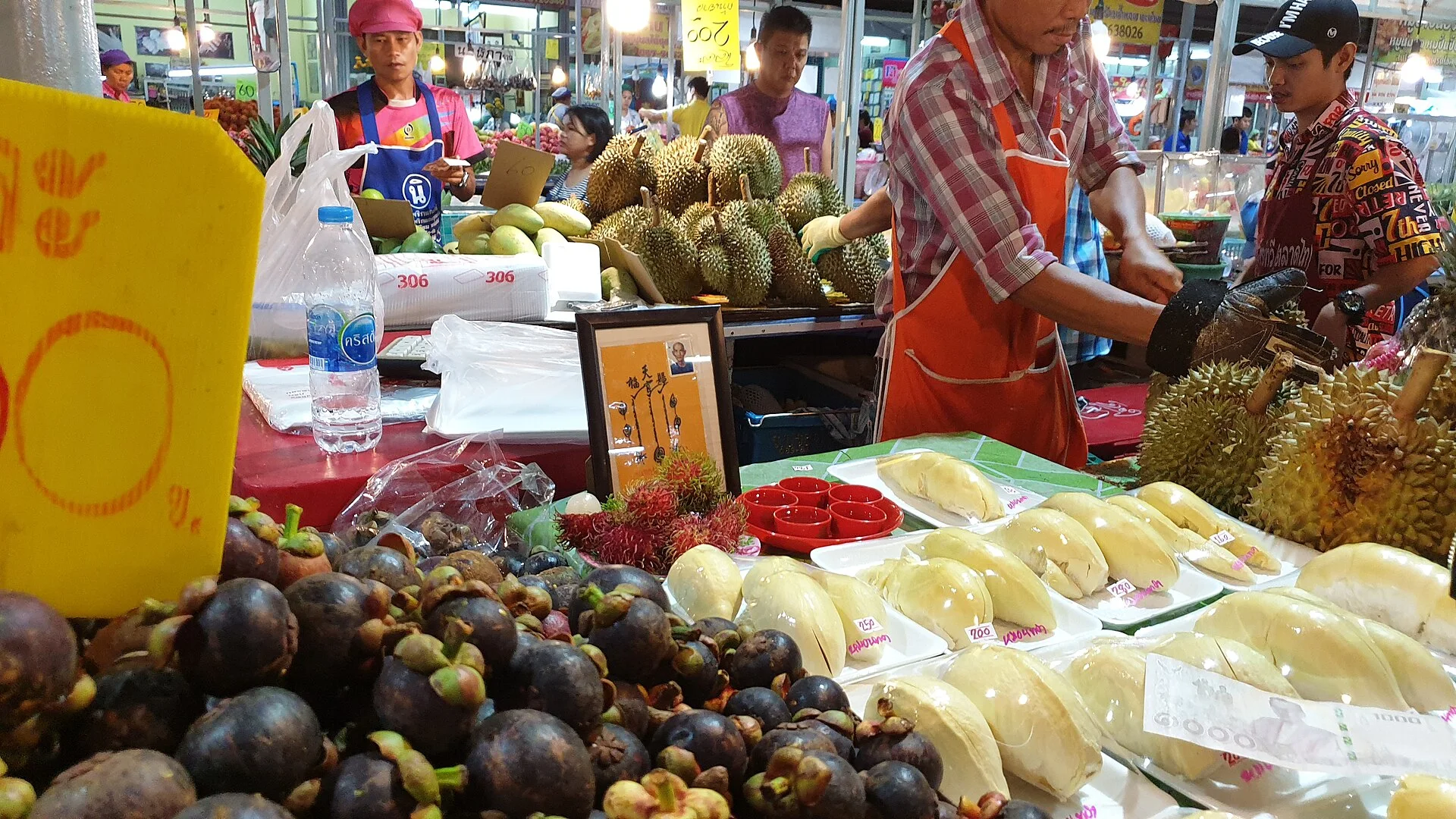
Fresh markets are where Bangkok’s food system becomes visible.
Depending on the market, you may find:
- seasonal fruit;
- vegetables and herbs;
- eggs, tofu, noodles, rice, and sauces;
- meat, seafood, and prepared ingredients;
- curries, grilled food, desserts, and ready-to-eat meals;
- flowers, household items, and small everyday goods.
The best market is usually the one that fits your routine. Khlong Toei is large and intense. Or Tor Kor is orderly and known for carefully presented produce. Smaller neighborhood markets may be more useful because you can walk there in the morning, learn which vendors you trust, and buy only what you need.
Market pricing can be by kilogram, bundle, tray, bag, or piece. Do not assume. Ask or point to the amount, watch the scale, and confirm the total before the item disappears into a bag. Basic Thai numbers help, although many vendors handle simple transactions with a calculator or phone.
Go once as a learner. Notice:
- when the market is busiest and when stalls begin closing;
- how products are stored;
- whether prices are displayed;
- which vendors have steady local customers;
- whether you can buy a household-sized quantity;
- how you will carry the food home in the heat.
Fresh markets differ enormously. Cleanliness, refrigeration, drainage, crowding, and product handling should be judged stall by stall. If a product’s temperature, smell, appearance, or handling makes you uncomfortable, buy it elsewhere. Respect for Thai market culture does not require switching off your judgment.
Big C and Lotus’s handle the ordinary mixed shop
Big C and Lotus’s are the easiest starting points for people who want groceries, cleaning products, toiletries, kitchen items, and household basics in one trip.
Large branches are closer to a traditional hypermarket. Small express branches carry a narrower convenience range and should not be used to judge the full chain.
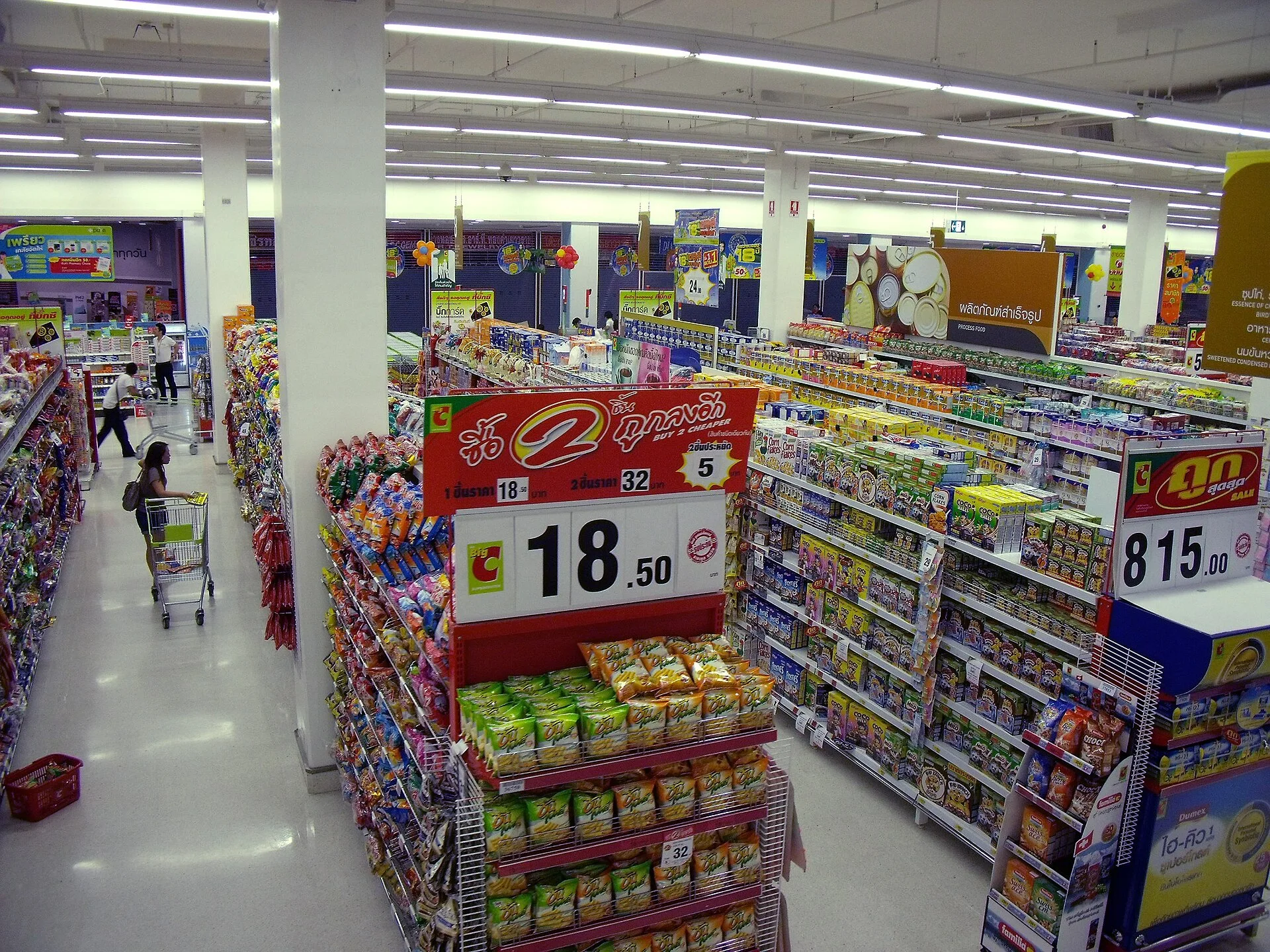
These stores are useful for:
- rice, noodles, oils, sauces, canned goods, and snacks;
- milk, eggs, yogurt, frozen food, and packaged meat;
- produce;
- bottled water and drinks;
- detergent, cleaning supplies, paper products, and toiletries;
- basic kitchenware and home supplies;
- familiar Thai and international brands.
Branch selection matters. A flagship central branch, a suburban hypermarket, and a neighborhood express store can carry very different inventory. Check the actual branch near a potential home before assuming the chain will cover your weekly shop.
Membership promotions can matter if you buy regularly, but read the offer. Some discounts require a minimum quantity, selected payment method, app coupon, or loyalty account. Buying three packs to save a small amount is a bad deal when two expire in the cupboard.
Big C’s official online service currently offers home delivery and pickup, with the fee and minimum order shown during checkout. Lotus’s also operates online ordering and delivery through its digital services. Terms, service areas, and promotions change, so check the address and final basket instead of relying on an old blog’s delivery promise.
Makro makes sense when the quantity makes sense
Makro serves households as well as restaurants and small businesses. It is especially useful for:
- bulk rice, drinks, canned goods, and dry ingredients;
- larger packs of meat and seafood;
- frozen products;
- cleaning and household supplies;
- food-storage items;
- coffee, snacks, and party supplies;
- some imported products at useful pack sizes.
Makro PRO currently supports online shopping, delivery, and store pickup, subject to the seller, product, address, and checkout terms.
The trap is obvious once you carry it home: a lower unit price does not create refrigerator space.
Before buying a large pack, ask:
- Will the household finish it?
- Can it be portioned and frozen safely?
- Does the condominium have enough storage?
- Is the pack actually cheaper per kilogram or liter?
- Is the product sold by Makro or another marketplace seller?
A one-person household can still use Makro well. Focus on products with a long shelf life, freezer-friendly protein, drinks, and genuinely repeatable purchases.
Tops and Foodland win on proximity
Tops ranges from compact neighborhood stores to larger Tops Food Hall locations with substantial imported and premium inventory. Foodland combines a broad supermarket range with branches known for long operating hours.
The value of either store depends heavily on the branch and your address.
A supermarket five minutes from home can beat a cheaper hypermarket across town once you count rail fares, taxis, delivery charges, heat, rain, and the time required to make the trip. This is why grocery access belongs in the housing decision.
Use nearby supermarkets for:
- a normal weekly basket when the branch is well stocked;
- refrigerated products you do not want traveling far;
- smaller quantities;
- urgent household items;
- late or early shopping where the branch hours support it;
- promotions that genuinely match your repeat purchases.
Tops’ official delivery service currently offers scheduled and express options in supported areas. Minimums, fees, time slots, product restrictions, and service coverage belong to the checkout screen because they can change.
Villa Market and Gourmet Market solve the imported-food problem
Villa Market and Gourmet Market make Bangkok easier for people who cook international food, follow a specific diet, or miss particular products from home.
They are useful for:
- imported cheese, dairy, cereal, sauces, and snacks;
- international meat cuts;
- specialty baking ingredients;
- gluten-free, vegan, organic, and other selected products;
- wine and international beverages where legally sold;
- products that are difficult to identify in a Thai-language store.
Villa’s official online service says in-store and online prices match, while delivery cost depends on the selected store and address. The company’s current branch network is concentrated heavily in Bangkok and surrounding areas. Gourmet Market operates in major Bangkok retail complexes and through its online channels.
The budget problem begins when a specialist store becomes the automatic weekly store.
Use a short list for imported products and compare the package price with local alternatives.
Imported food changes the budget quickly
Imported products can carry freight, cold-chain, currency, tax, distribution, and lower-volume costs. Stock can also be inconsistent. A product may disappear for weeks, return in a different size, or move to another branch.
This is especially noticeable with:
- cheese and specialty dairy;
- berries and temperate-climate produce;
- cereal and snack brands;
- wine and spirits;
- supplements and sports nutrition;
- imported plant-based products;
- sauces, baking goods, and specialty flours;
- specific baby, allergy, or medical-diet products.
Build flexibility where you can. Try Thai dairy brands, local fruit, regional rice, and products made for the Thai market. Keep a backup brand for important items. For a medical diet or serious allergy, confirm labels and supply reliability before choosing a neighborhood around one store.
Keep the familiar foods you genuinely value and decide which ones are worth their imported price.
Thai ingredients can improve the way you cook
Bangkok offers access to produce, herbs, sauces, rice varieties, noodles, seafood, prepared ingredients, and regional foods that can be expensive or difficult to find abroad.
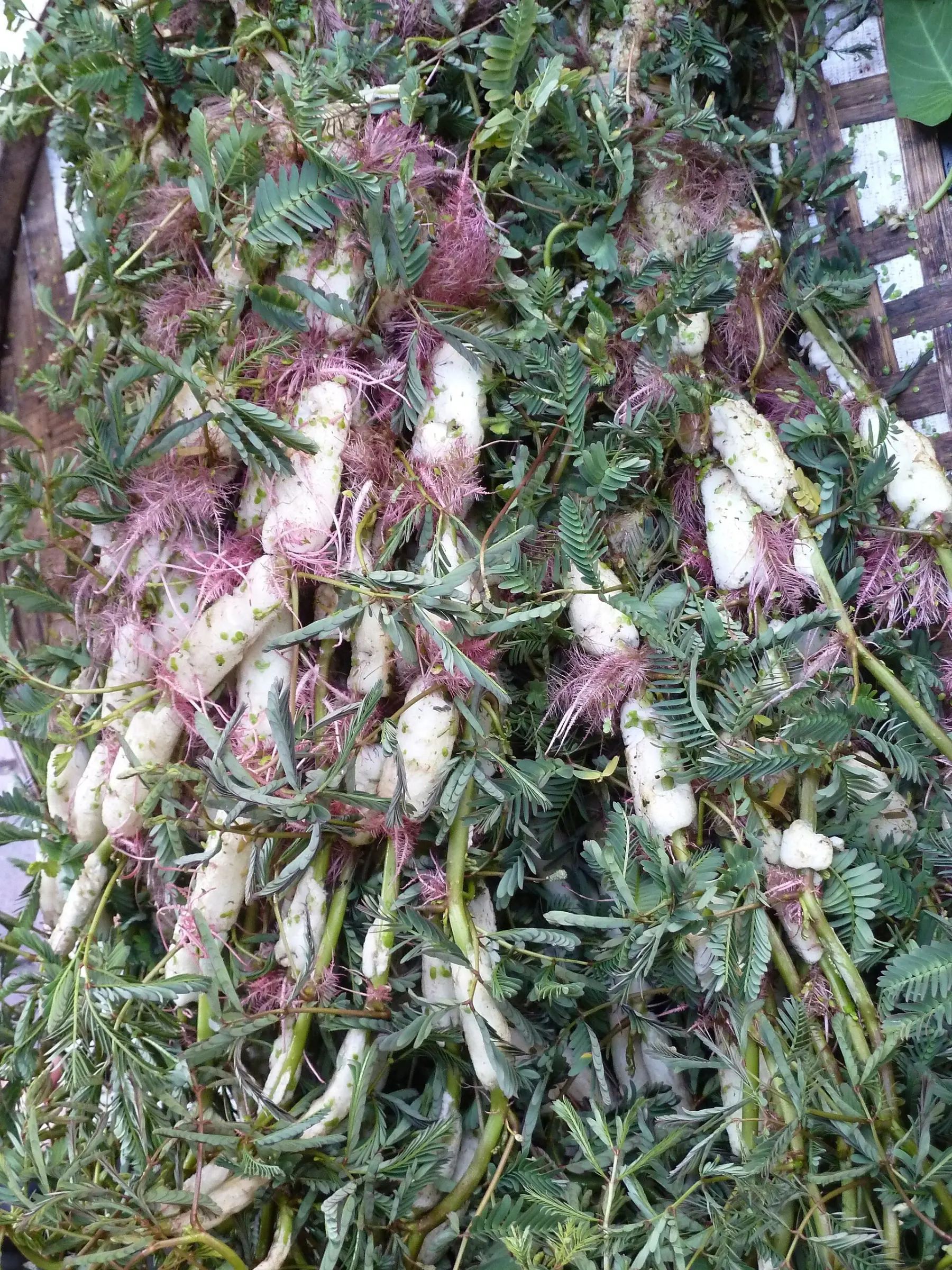
Learn a few flexible meals instead of trying to reproduce an American kitchen exactly:
- rice with stir-fried vegetables and protein;
- curries using prepared paste and coconut milk;
- noodle dishes;
- soups;
- eggs, tofu, grilled meat, and seasonal fruit;
- prepared market dishes combined with fresh rice or vegetables at home.
Cooking Thai food well takes practice, but the learning is part of building a life here. A market tour or cooking class can teach ingredient names, substitutions, storage, and how Thai cooks balance flavors. That knowledge remains useful every week.
Grocery delivery is good when you plan for substitutions
Bangkok offers three broad delivery models.
Retailer delivery
Big C, Lotus’s, Tops, Makro, and Villa Market operate their own online services. These are usually the sensible choice for a larger order, a broader catalog, or a scheduled time window.
On-demand marketplaces
GrabMart and LINE MAN MART can deliver from participating stores. They work well for smaller or urgent orders and for comparing nearby options.
Convenience delivery
7Delivery and similar services can handle immediate basics from participating local stores.
Compare the entire checkout:
- product price;
- package size;
- delivery and service charges;
- minimum order;
- promotion requirements;
- substituted or unavailable items;
- expected delivery window;
- payment method.
Keep notifications on. Online inventory and shelf inventory do not always agree, so expect calls or messages about unavailable items. Set substitution preferences. For a strict allergy, medical diet, infant product, or exact brand, require approval before replacement.
Heavy items are where delivery earns its keep. Water, drinks, rice, detergent, pet supplies, and paper goods are rarely improved by carrying them through a BTS station.
Water deserves its own plan
Bangkok households handle drinking water in several ways:
- individual bottles;
- large multipacks;
- returnable large bottles from a delivery provider;
- filtered water delivered by a local service;
- a building water-refill machine;
- an installed filtration system.
Ask the condominium or landlord:
- whether tap water is used for drinking in that specific home;
- whether the building has a maintained refill machine;
- which water-delivery companies can enter;
- where bottles are left;
- whether large bottles require a deposit;
- whether the building elevator and delivery policy support bulk orders;
- who changes and documents filter maintenance.
The Metropolitan Waterworks Authority supplies treated tap water, but building pipes, tanks, maintenance, and personal preference affect how residents use it. If you install a filter, choose it for the actual water conditions and replace cartridges on schedule. A filter with no maintenance record is decoration.
Food safety belongs in the routine
Bangkok residents buy food safely from fresh markets, supermarkets, small shops, and delivery platforms every day. Good habits still matter:
- keep raw and ready-to-eat foods separate;
- get chilled and frozen products home promptly;
- use an insulated bag for long trips;
- inspect seals and expiration dates;
- wash produce appropriately;
- refrigerate food quickly;
- reheat prepared food thoroughly;
- clean reusable delivery bags and water containers;
- discard food when storage history is uncertain.
Heat changes the clock. A grocery trip that would be harmless in a cool climate can become a poor plan after a long walk, a train journey, and an afternoon errand.
People with serious allergies should learn the relevant Thai words, carry a translated allergy card, read labels carefully, and treat cross-contact as a real possibility in shared preparation areas. Product availability is never a substitute for medical planning.
Build a grocery system around the neighborhood
Before signing a long lease, map:
- the nearest full supermarket;
- the nearest fresh market;
- one imported or specialist store;
- a convenience store;
- the route home with heavy bags;
- delivery coverage and building procedures;
- the nearest source of drinking water.
Then perform the trip at the time you would normally shop. A 700-meter walk can be pleasant at 7 a.m. and miserable at 4 p.m. A road that looks close on a map may have a hostile crossing. A condominium shuttle may stop before the time you return from work.
Our Bangkok neighborhoods for malls, groceries, and daily errands guide compares the practical shopping ecosystems around Asok, Phrom Phong, Thong Lo, On Nut, Chit Lom, Sathorn, Ari, and other areas.
A better way to estimate the monthly cost
Use four lines:
1. The repeat basket
Price the items you buy every week or every two weeks. Use the package size you will actually purchase.
2. The irregular household basket
Add detergent, paper products, toiletries, cleaning supplies, coffee, pet food, water filters, and other items that do not appear every week.
3. The imported-food allowance
Give familiar or specialty products their own line. This makes the tradeoff visible instead of allowing it to quietly inflate the entire budget.
4. Delivery and waste
Add realistic delivery charges, impulse purchases, spoiled produce, and food you buy twice because the first item was wrong or unavailable.
Track this for one month during a scouting stay. Keep grocery shopping separate from restaurants, food delivery, alcohol, and household setup purchases. Otherwise one trip to buy a frying pan will corrupt the “food” budget.
Common mistakes
Judging Bangkok from one premium supermarket
Gourmet Market and Villa Market are valuable. They are not the whole grocery market.
Judging a chain from one small branch
An express store beside a BTS station cannot carry the range of a hypermarket.
Comparing sticker prices without package sizes
Imports, promotions, and bulk packs make unit pricing essential.
Buying a carload for a condominium kitchen
Storage is part of the price.
Assuming the online order will arrive exactly as pictured
Keep substitution settings and messages active.
Ignoring transport
The cheaper store can become more expensive after two rides, an hour of travel, and spoiled frozen food.
Recreating home ingredient for ingredient
Keep the products that matter. Explore the Thai ingredients that make living here better.
The bottom line
Bangkok can support almost any grocery routine, from a neighborhood market and rice cooker to a premium imported pantry.
Affordability comes from matching the store to the job:
- fresh markets for local produce and everyday ingredients;
- Big C or Lotus’s for a broad household shop;
- Makro for quantities your home can use;
- Tops or Foodland for convenient regular shopping;
- Villa Market, Gourmet Market, and specialist stores for selected imports;
- delivery for heavy items, scheduled baskets, and genuinely urgent gaps.
Price your own basket. Inspect the branch near your home. Learn what Thailand produces beautifully. Save the imported splurge for the products that deserve it.
That is how groceries become part of a good Bangkok life instead of a weekly argument with a receipt.
Sources and verification
Store services, delivery fees, minimum orders, promotions, and branch inventory can change. Confirm current terms at checkout and use the selected delivery address.
- Thailand Ministry of Commerce price information
- Department of Internal Trade agricultural and Bangkok retail price information
- Big C delivery methods
- Lotus’s official online-shopping guide
- Tops delivery information
- Tops current rice listings
- Tops current milk listings
- Tops current drinking-water listings
- Makro PRO
- Makro PRO current egg listings
- Villa Market online store
- Metropolitan Waterworks Authority