Places · Bangkok neighborhoods
Living in Chinatown, Bangkok
Chinatown is a dense, working part of Bangkok where commerce, temples, old families, new cafés, tourists, workshops, and apartment life compete for the same narrow streets.
Reviewed July 31, 2026 · Later factual updates are dated within the guide
In this guide
Bangkok’s Chinatown includes the busy Yaowarat commercial corridor, shophouses above family businesses, condominiums near MRT Wat Mangkon, converted warehouses around Song Wat, mixed residential and creative uses in Talat Noi, and active local markets.
The area provides food, commerce, history, and MRT access. Common limitations include noise, heat, crowding, uneven walking surfaces, delivery activity, and limited conventional green space.
Compare Chinatown with the rest of the city in Where Should You Live in Bangkok?, then review the old-city transport options in How to Get Around Bangkok.
Chinatown in one minute
| Decision | What Chinatown does well | What to check |
|---|---|---|
| Character | Historic streets, temples, commerce, food, and a strong local identity | Tourism and redevelopment are changing some pockets quickly |
| Rail | MRT Blue Line access at Wat Mangkon, Sam Yot, and Hua Lamphong | The walk from the station matters more than the district name |
| Walking | Dense destinations and rewarding side streets | Heat, broken surfaces, carts, traffic, loading activity, and few easy crossings |
| Housing | Shophouses, older apartments, boutique conversions, and newer condominiums | Fire safety, lifts, ventilation, noise, natural light, and legal rental terms |
| Food | Exceptional Thai-Chinese food and markets across many price levels | Famous streets can be crowded and priced for visitors |
| Shopping | Sampheng wholesale trade, gold, household goods, textiles, and specialist businesses | Deliveries and commercial activity begin early |
| Parks | Access to river walks and small public spaces | No large neighborhood park comparable with Lumphini or Benjakitti |
| Healthcare | Clinics, pharmacies, and hospitals in and around the old city | Ambulance and taxi access can be slow on narrow or congested streets |
| Nightlife | Cocktail bars, live music, street food, and evening energy | Noise and closing patterns vary sharply by block |
First, decide which Chinatown you mean
“Chinatown” is useful for a visitor and dangerously vague for a resident.
The practical living area stretches across Yaowarat, Charoen Krung, Song Wat, Talat Noi, Sampheng, the Wat Mangkon area, and streets toward Hua Lamphong and the old city. These pockets share history and proximity. They do not provide the same week.
Yaowarat and Wat Mangkon
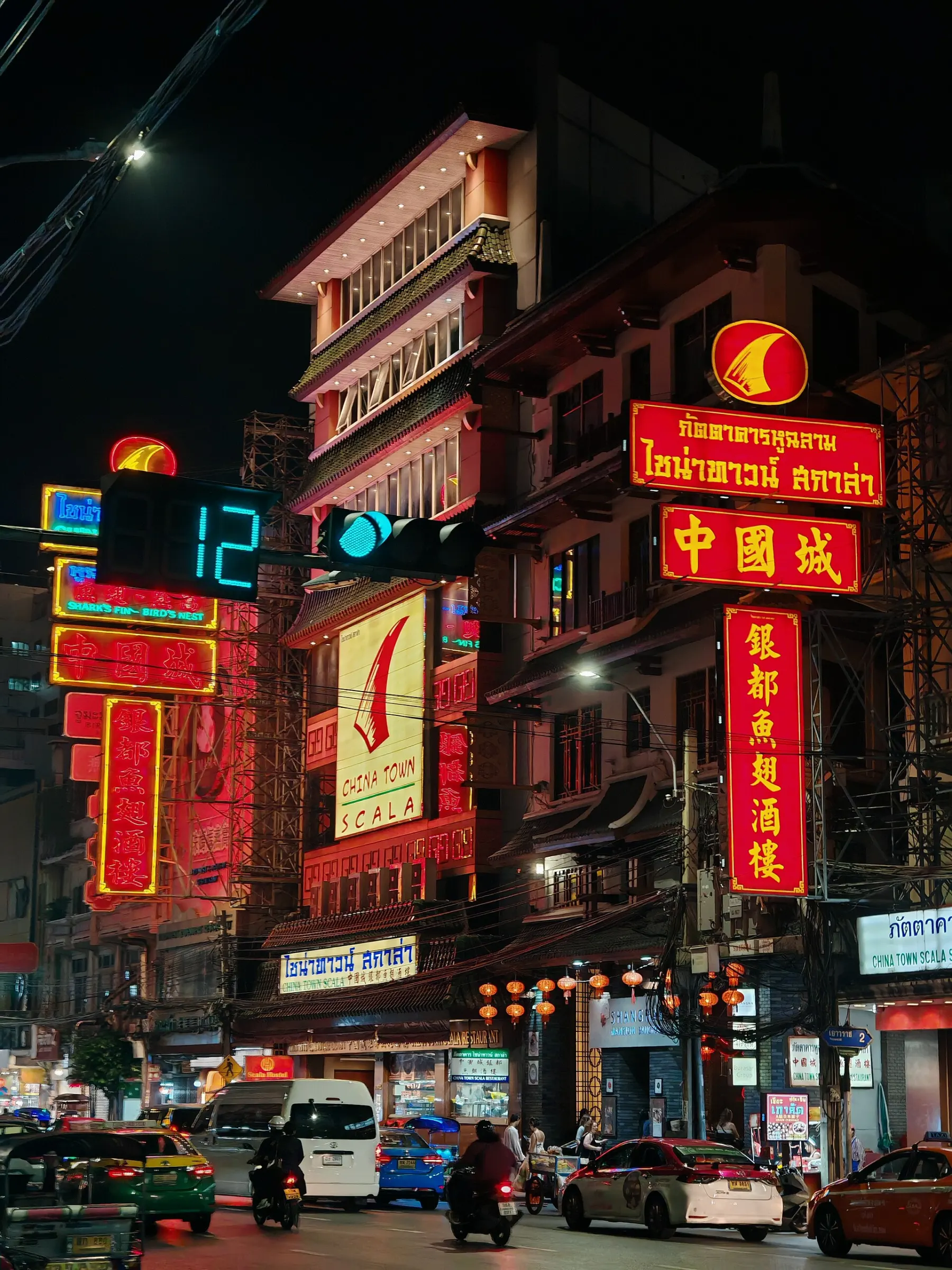
Yaowarat Road is the commercial and visual center. It is energetic during the day and becomes one of Bangkok’s busiest food streets at night.
The blocks around MRT Wat Mangkon are the most straightforward choice for someone who wants Chinatown with reliable rail access. The station is on the Blue Line and places the area within a direct ride of Sam Yan, Silom, Sukhumvit, Rama 9, and other major districts.
Living immediately beside the action means accepting crowds, horns, cooking smells, loading activity, and late evenings. Moving several streets away can change the experience without sacrificing the station.
Song Wat
Song Wat runs near the river through an old trading district of warehouses, shophouses, temples, small businesses, restaurants, cafés, galleries, and newer creative venues.
It has become fashionable, but it has not stopped being a commercial street. Trucks, deliveries, old businesses, residents, photographers, diners, and weekend visitors all use the same space.
Song Wat can suit someone who wants history, independent businesses, and a more creative atmosphere than central Yaowarat. It has less of a late-night street-food spectacle and a more fragmented daily rhythm.
Talat Noi
Talat Noi sits toward the river near Charoen Krung and Hua Lamphong. Its lanes contain Chinese shrines, old houses, automotive workshops, street art, cafés, galleries, restaurants, and river-facing properties.
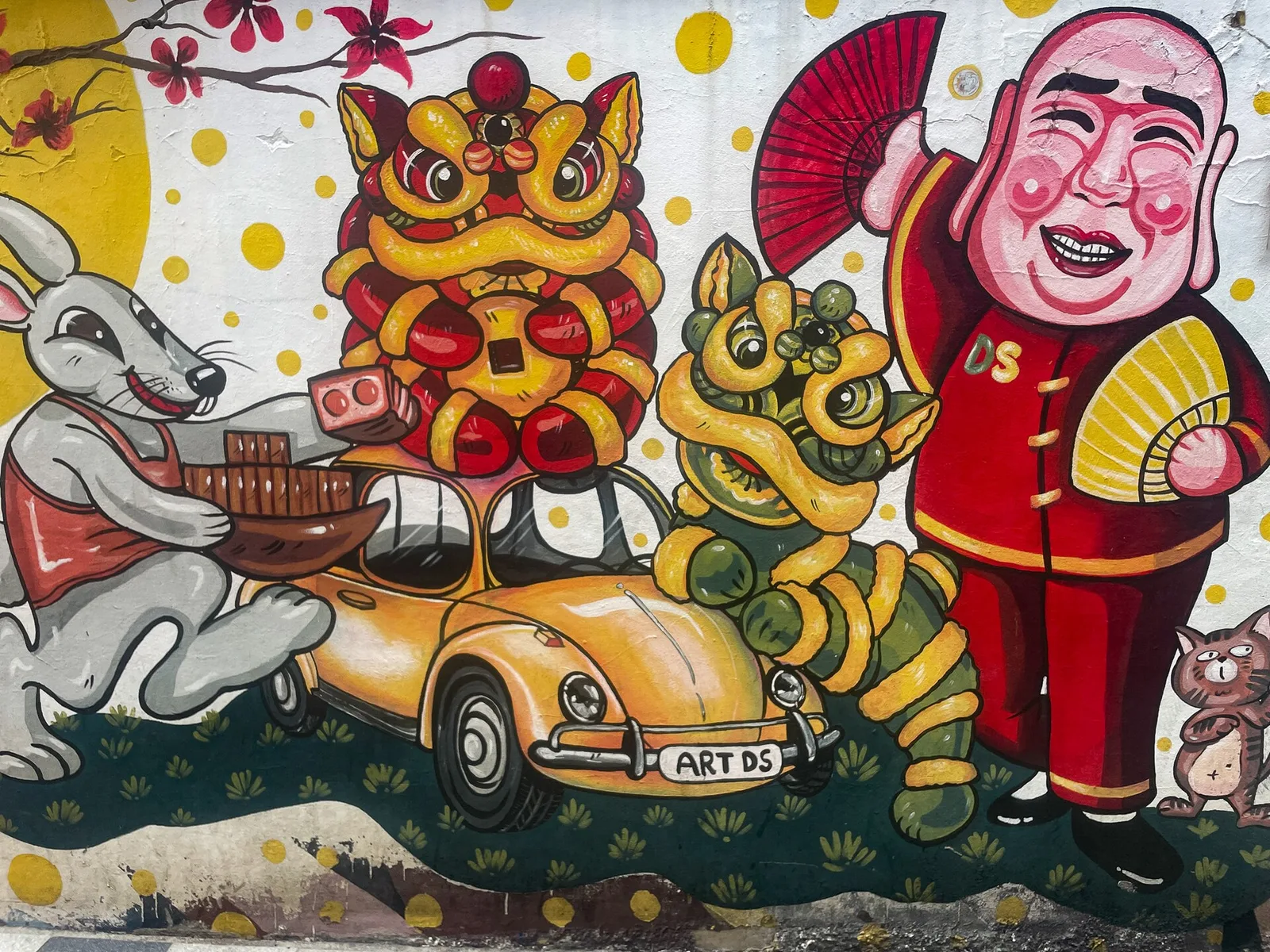
It can feel calmer than Yaowarat, especially in the morning. It can also feel busy with photographers and visitors on weekends.
Housing is limited and highly building-specific. This is not a district where an attractive map pin tells you whether the room has daylight, a lift, quiet nights, or safe access.
Sampheng
Sampheng is a dense wholesale and retail market area selling textiles, accessories, household goods, toys, packaging, and countless specialist products.
It is fascinating and useful. It is also a serious working environment with carts, porters, deliveries, tightly packed lanes, early activity, and intense foot traffic.
Living nearby may appeal to a trader, designer, buyer, or resident who actively wants the market. It is a poor choice for someone seeking wide sidewalks, vehicle access, or quiet mornings.
Hua Lamphong and the Charoen Krung edge
The area around Hua Lamphong provides Blue Line access, railway heritage, hotels, condominiums, and connections toward Talat Noi, Charoen Krung, Sam Yan, and the river.
It can be a practical compromise: close enough to use Chinatown regularly without sleeping in its most intense blocks.
Check the exact side of major roads, the walking route after dark, construction, rail noise, and the distance to the part of Chinatown you actually use.
Transport: the MRT changed the equation
MRT Wat Mangkon is the central transport advantage. BEM lists the station as BL29 on the Blue Line, with exits serving Wat Mangkon Kamalawat, Suea Pa Road, the Bangkok Metropolitan Administration hospital area, and nearby shrines.
Sam Yot serves the western side toward the old city. Hua Lamphong serves the eastern and southeastern edge toward Talat Noi and Charoen Krung.
The Blue Line connects directly to:
- Sam Yan for Chulalongkorn and the northern Silom edge;
- Si Lom for Lumphini and the BTS interchange at Sala Daeng;
- Sukhumvit for the BTS interchange at Asok;
- Phetchaburi for the Airport Rail Link connection at Makkasan;
- Bang Sue and the northern rail network;
- Sanam Chai for the river and major old-city destinations.
That network makes Chinatown far more practical than it was before the Blue Line extension opened.
It does not make every address easy.
Walk from the station to the building in afternoon heat, after dinner crowds arrive, and while businesses are loading. A ten-minute route on an empty digital map can become a completely different trip at 7 p.m.
River boats, buses, taxis, tuk-tuks, and motorcycles
Ratchawong Pier can connect the Song Wat and Yaowarat side with Chao Phraya river services. Marine Department and operator information should be checked for the current route, service pattern, pier, and fare before building a commute around it.
Buses serve Yaowarat, Charoen Krung, Rama IV, and surrounding roads. They can be useful for a specific repeated journey, though traffic makes timing variable.
Taxis and ride-hailing are plentiful in the broader area. Pickup is not always simple. A narrow lane, market entrance, road closure, or crowd can force you to meet the driver on a larger street.
Tuk-tuks operate throughout the old city. They can be convenient for a short negotiated trip, but they are not a fixed-price public transport system. Agree on the total fare before leaving and decline unwanted shopping stops.
Motorcycle taxis solve many short trips and can move through congestion faster. They also bring obvious injury risk. Use a helmet and do not let convenience erase judgment.
If you drive or ride yourself, carry the correct Thai license or recognized license documentation for the vehicle class, follow current legal requirements, and confirm insurance. An International Driving Permit does not grant motorcycle entitlement if your home license does not include it.
Owning a car in the densest part of Chinatown is usually more burden than freedom unless the building includes reliable parking and your routine regularly leaves central Bangkok.
Walking conditions vary by subarea and ability
Chinatown is one of Bangkok’s best areas for discovery on foot and one of its least forgiving areas for effortless walking.
Destinations sit close together. A short walk can pass a shrine, gold shop, tea merchant, market, hardware supplier, noodle shop, old cinema façade, bar, pharmacy, and warehouse.
The physical route may include:
- narrow or missing sidewalks;
- uneven paving and drain covers;
- food stalls and merchandise;
- motorcycles using limited space;
- carts and commercial deliveries;
- intense sun with little shade;
- crowds around famous restaurants;
- roads that are difficult to cross;
- steps and entrances that limit wheelchair access.
Anyone with limited mobility should test the exact home-to-station, home-to-grocery, and home-to-clinic routes. Density is not the same as accessibility.
Housing requires close inspection
Older Chinatown housing can have significant structural, access, maintenance, or fire-safety issues that are not visible in listing photos.
The stock includes old shophouses, rooms above commercial premises, traditional buildings, renovated boutique residences, small apartments, hotels offering longer stays, and newer condominiums near rail stations.
Older shophouses and conversions
These may offer character, height, unusual layouts, and a direct connection to the neighborhood. They may also have steep stairs, no lift, limited exits, old electrical systems, poor sound insulation, weak water pressure, moisture, pests, or very little natural light.
Request clear answers about:
- the legal rental arrangement;
- building access after the ground-floor business closes;
- fire alarms, extinguishers, exits, and escape routes;
- electrical capacity and air-conditioning;
- water pressure and drainage;
- internet installation;
- waste storage and collection;
- cooking rules;
- flooding history at the entrance;
- overnight noise and early deliveries.
Newer condominiums
Newer buildings can provide lifts, security, parking, facilities, reliable systems, and easier parcel delivery. Supply is thinner than in Sukhumvit, and a “near Chinatown” listing may sit outside the streets you imagine using.
Measure the walk. Test the station. Inspect the surrounding block at 7 a.m., 3 p.m., and 10 p.m.
Short-term and informal rentals
Do not assume a platform listing is legally available for the intended stay. Thailand’s hotel and condominium rules can affect short stays, while individual building regulations may restrict rentals.
For a long-term move, use a written agreement, verify the person entitled to rent the property, document the condition, understand deposits and utilities, and avoid transferring money until the unit and counterparty have been checked.
What daily life costs
Chinatown is not automatically cheap.
Local food, traditional apartments, buses, markets, and everyday services can be good value. Renovated shophouses, boutique rooms, new condominiums, cocktail bars, destination restaurants, and imported products can cost as much as fashionable parts of central Bangkok.
The useful budget question is not “Is Chinatown affordable?”
It is “Which version of Chinatown am I buying every week?”
Model:
| Expense | Questions to answer |
|---|---|
| Housing | Is the unit old, renovated, serviced, or in a new condominium? |
| Transport | Will you use MRT, taxis, boats, motorcycles, or a car? |
| Food | Are you eating local meals, famous street food, cafés, or destination restaurants? |
| Utilities | Is electricity billed at the government rate or marked up under the contract? |
| Laundry and cleaning | Does the building support a normal household routine? |
| Work | Is there a proper desk, quiet, ventilation, and stable internet? |
| Healthcare | Which clinic and hospital will you actually use? |
| Convenience | How much delivery and ride-hailing replaces missing nearby services? |
Collect real prices during a test stay. A cheap room that requires taxis, coworking, laundry pickup, and constant café use may not remain cheap.
Food choice is broad, but grocery convenience varies
Food is the obvious advantage.
Chinatown offers Thai-Chinese cooking, noodles, rice dishes, roast meats, seafood, dim sum, desserts, tea, bakeries, market ingredients, specialist shops, local cafés, modern restaurants, and serious bars.
The famous night stalls are only one layer.
Residents learn which businesses open in the morning, which close after lunch, which serve everyday prices, and which mainly serve visitors. Routine errands and meals may occur away from the most photographed block of Yaowarat.
For groceries, map the markets and small shops you would use, then identify where you will buy Western staples, large household items, fresh produce, medicine, and pet supplies. Delivery can fill gaps, but access instructions may need to be precise in a maze of lanes and shophouses.
Nightlife: several distinct scenes
Yaowarat’s famous evening is built around food, crowds, neon, traffic, and visitors. Soi Nana off Charoen Krung has cocktail bars and creative venues in old buildings. Song Wat mixes restaurants, bars, cafés, and river-adjacent destinations but can become quiet later than the main tourist streets. Talat Noi is more active during the day and early evening, depending on the block.
Do not confuse Chinatown’s energy with nonstop convenience. Some streets empty quickly after businesses close. Others remain noisy because of restaurants, bars, traffic, or early wholesale activity.
Visit at dinner, after 11 p.m., and early the next morning. A room can escape nightlife and still wake to loading carts and metal shutters.
Work, internet, and deliveries
Remote work is possible, but the room matters.
Check fiber availability with the provider and building rather than trusting a listing. Test mobile signal inside the unit, especially in deep or thick-walled buildings. Ask how technicians, couriers, and food-delivery riders reach the entrance.
Noise changes by hour. A quiet afternoon can become a busy dinner service. A calm evening can become an early wholesale market.
If calls matter, spend a weekday working from the room before signing a long lease.
Coworking and cafés exist around the wider district, but relying on them every day changes the budget and may not provide private calls or ergonomic seating.
Parks, exercise, and the river
Chinatown does not offer a large central park.
Residents use smaller public spaces, temple grounds where appropriate, river routes, gyms, and walks toward neighboring districts. Khlong Ong Ang provides a landscaped canal-side route on the western side, while the riverfront appears in fragments around piers, temples, hotels, cafés, and private developments.
The area’s walking appeal is cultural and urban, not green and spacious.
If running, dog walking, children’s play, or daily access to substantial parkland matters, test the real route before committing. You may prefer living near Lumphini, Benjakitti, Chatuchak, or another green space and visiting Chinatown when you want it.
Healthcare and accessibility
The broader old-city and central Bangkok area includes public hospitals, private hospitals, clinics, dental offices, pharmacies, laboratories, and Chinese medicine providers.
Hospital quality cannot be reduced to neighborhood reputation. Choose the facility and physician based on the department, emergency capability, language support, insurance, payment requirements, and your medical needs.
Then test the route.
Dense traffic, narrow streets, market activity, and confusing entrances can matter during an urgent trip. Confirm where an ambulance or taxi can stop and whether the building has a lift suitable for your needs.
For regular specialist care, living directly on the appropriate MRT route may matter more than living beside a general clinic.
Air quality, heat, noise, and flooding
These are housing criteria, not footnotes.
Chinatown combines regional PM2.5 episodes with heavy local traffic, cooking emissions, construction, and buildings that may ventilate poorly. Check official AirBKK data, inspect window sealing, and determine whether the room can support effective filtration.
Heat is amplified by dense streets, hard surfaces, crowds, and limited shade. Visit during the hottest part of the afternoon.
Noise can come from traffic, horns, restaurants, bars, worship, festivals, workshops, schools, deliveries, and building equipment. Listen with the air conditioner off.
For flooding, ask about the exact lane and entrance. Inspect ground-floor thresholds, drains, electrical equipment, basement parking, and the route to the station after heavy rain.
Ask about drainage and prior water entry before renting a ground-floor or low-lying property.
Culture, temples, and community
Chinatown is not scenery assembled for newcomers.
It is home to Thai-Chinese families, religious institutions, traders, craftspeople, workers, students, older residents, and generations of businesses. Temples and shrines have active rules and rituals. Streets that look picturesque may be workplaces. Photographing people, interiors, ceremonies, or private property requires judgment and sometimes permission.
Thai and Chinese cultural calendars can bring processions, worship, road closures, crowds, sound, and celebrations. These events are part of living there, not an inconvenience staged against your lease.
Learning basic Thai improves daily life. Long-established businesses may not operate around English-language expectations, apps, or international cards. Cash and local payment methods remain useful.
Community develops through repetition: buying from the same market, greeting neighbors, learning the building’s rhythms, and behaving as a resident rather than a permanent audience.
Who Chinatown fits
Chinatown is a strong candidate for:
- people who value history, food, commerce, and street life;
- residents who want Blue Line access without living in Sukhumvit;
- chefs, designers, photographers, traders, and creative workers who genuinely use the area;
- walkers comfortable with imperfect infrastructure;
- people who prefer independent businesses and old neighborhoods to master-planned convenience;
- residents willing to inspect unusual housing carefully.
Who may be happier elsewhere
Look beyond Chinatown if:
- you need quiet, predictable streets;
- large parks and easy outdoor exercise are daily priorities;
- you use a wheelchair or struggle with uneven, obstructed routes;
- you want a modern condominium cluster with abundant facilities;
- you own a car and expect easy parking;
- smoke, traffic, crowds, or cooking smells quickly wear you down;
- your work, school, hospital, and social life sit far along the Sukhumvit Line;
- you like Chinatown as entertainment but do not want its working-day reality.
The seven-day Chinatown test
Stay in the precise pocket you are considering.
Day 1: station and commute
Walk to Wat Mangkon, Sam Yot, or Hua Lamphong and complete the real peak-hour journey.
Day 2: ordinary groceries
Buy breakfast, household supplies, medicine, and a week of normal groceries.
Day 3: work
Spend a full weekday in the room. Test internet, calls, light, temperature, deliveries, and noise.
Day 4: healthcare
Travel to the clinic, dentist, pharmacy, and hospital you would actually use.
Day 5: evening
Experience the building before, during, and after the dinner rush.
Day 6: early morning
Walk the route while markets, workshops, and deliveries begin.
Day 7: escape the neighborhood
Visit your closest friend, preferred park, major supermarket, airport connection, or regular destination elsewhere in Bangkok.
The week should test routine, not your appetite for noodles.
The verdict
Living in Bangkok’s Chinatown is a deliberate trade.
You gain one of the city’s richest urban environments, good food, strong Blue Line access, specialist shopping, river proximity, and a neighborhood that still possesses a life beyond condominium marketing.
You give up smooth sidewalks, easy parking, abundant green space, and some of the predictable convenience found in newer districts.
That trade should be tested before breakfast as seriously as it is tested after dinner. Walk through deliveries and market traffic, carry ordinary groceries, inspect the building’s ventilation and fire access, and return when Yaowarat is at full volume.
Chinatown may suit residents who accept its noise, density, heat, and limited green space. Those seeking a quieter or greener environment should compare other districts.
Sources and verification
Official and primary sources: