Moving · Thailand
Moving to Thailand from the USA: What to Plan Before You Go
Plan the legal, financial, medical, and practical systems required for a long-term move.
Reviewed July 31, 2026 · Primary sources used for high-stakes claims
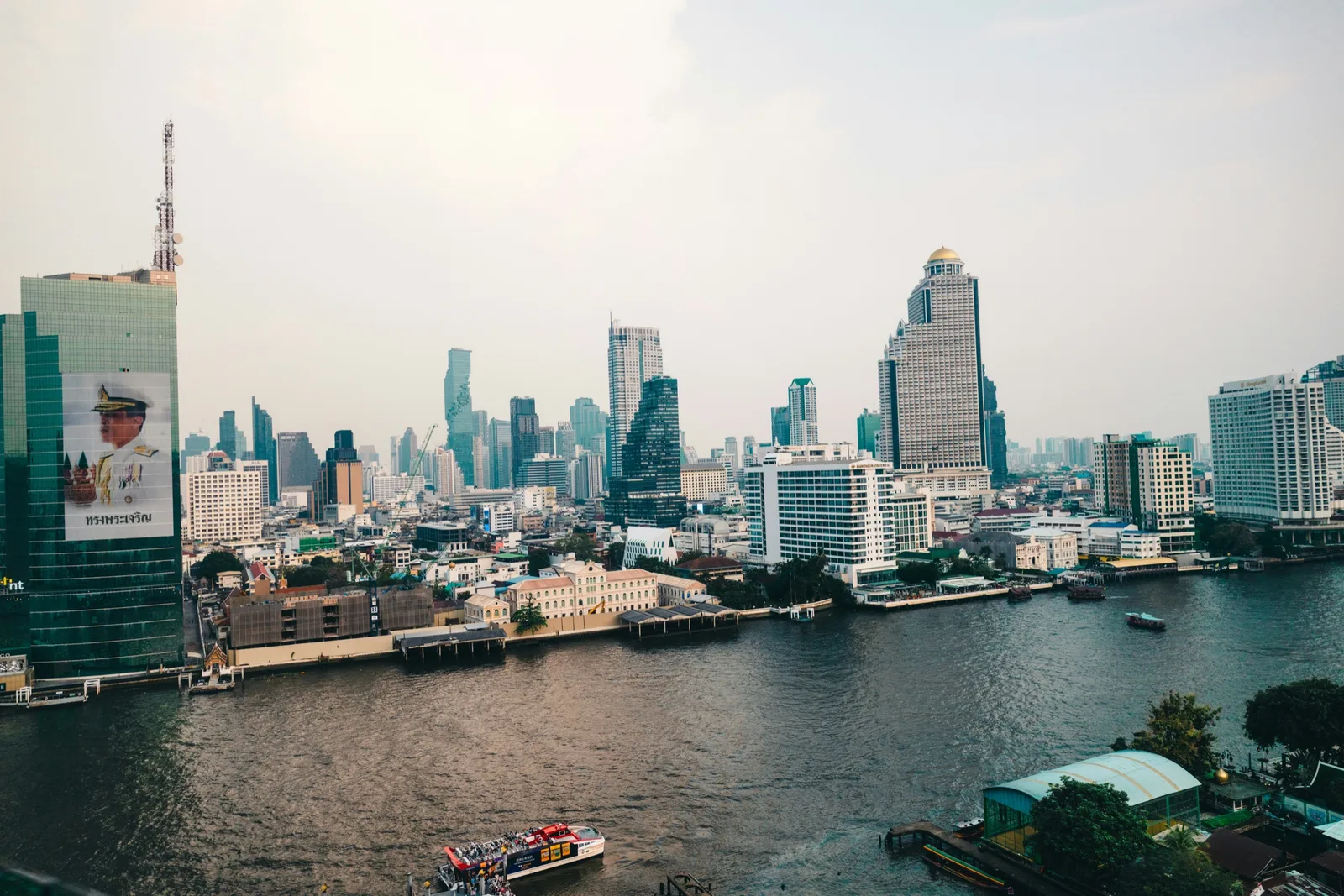
Start with legal status, finances, healthcare, and day-to-day access before arranging shipping.
The main decisions are where you can legally stay, whether you can legally work, how you will pay for healthcare, where your money will remain, what happens to your U.S. accounts, and whether the neighborhood supports ordinary errands.
Arrange reliable access to bank security codes, important records, and U.S. accounts before departure.
This guide puts the decisions in the order that reduces expensive mistakes. It does not promise one universal checklist because a retiree, a remote worker, a Thai-American family, and a person testing Thailand for six months are not making the same move.
Define the life before organizing the move
Start by writing down the expected purpose, location, household, work status, and budget for the next two years. Review the plan as circumstances change.
| Question | Why it changes the plan |
|---|---|
| Will Thailand be full-time, seasonal, or a trial? | Changes visa, housing, insurance, storage, and U.S. home decisions |
| Will you retire, work remotely, work locally, study, or join family? | Changes visa and work-authorization analysis |
| Which medical care must remain easily accessible? | Changes the city, neighborhood, insurance, and emergency plan |
| Will most income remain in U.S. dollars? | Creates exchange-rate, transfer, and account-access risk |
| What would make you return to the United States? | Determines which accounts, coverage, records, and possessions should remain usable |
If you cannot answer those questions yet, resolve them before committing to shipping, housing, or other large expenses.
Test ordinary life before committing to it
Use a scouting trip to test ordinary life. Stay in a normal rental. Buy groceries. Use the transportation you expect to use after moving. Visit a hospital and dental clinic. Work a full day if work will remain part of your life. Look at rentals during daylight and after dark.
Compare places using the same factors:
- healthcare and emergency access
- air quality, heat, rain, flooding, and noise
- rent, utilities, and move-in costs
- walkability, rail, taxis, ride-hailing, and driving
- airport access and trips back to the United States
- internet, mobile service, banking, and delivery apps
- food, exercise, community, language, and daily routines.
Bangkok maximizes access and convenience. Chiang Mai offers a smaller city and strong services but has a serious seasonal air-quality problem. Hua Hin is calmer and practical. Phuket and Samui offer island life with island logistics and tourist-market pricing. Pattaya and Jomtien combine coastal living with substantial services and a reputation that obscures how varied the area is.
There is no morally superior choice. There is only the place whose compromises you are willing to live with.
Use the full scouting-trip guide and Thailand location comparison before signing a long lease.
Separate entry, permission to stay, and permission to work
A visa, permission to remain, and permission to work are related. They are not interchangeable.
Choose the status that matches reality
Retirement, Thai family, foreign remote work, Thai employment, education, and paid membership routes have different rules. Begin with the official Thai e-Visa system, the responsible Thai embassy, and the Immigration Bureau.
Confirm what work is permitted
A status that allows you to stay does not automatically authorize local employment, services for Thai clients, active management, filming for sponsors, or operating a business. If Thailand is connected to how you earn money, review the activity before performing it.
Calendar the administration
Record passport expiry, permission-to-stay date, reporting dates, extension window, insurance renewal, and re-entry requirements. “I thought the agent handled it” is not a recognized immigration status.
Our 2026 visa guide compares the major routes. The work guide explains why remote work, Thai employment, and running a local operation require separate analysis.
Build a two-country money system
Do not close every U.S. account and transfer your financial life to Thailand during the first month. That creates concentration risk precisely when you are learning how everything works.
| System | Job |
|---|---|
| Primary U.S. bank or credit union | Receive U.S. income, pay U.S. obligations, and fund transfers |
| Backup U.S. bank | Provide access if the primary account freezes a card, blocks a login, or changes policy |
| Transfer provider | Convert and send money while showing the fee and baht delivered |
| Thai operating account, if eligible | Pay rent, utilities, domestic transfers, cash, and QR purchases |
| Emergency reserve | Cover failed transfers, hospital deposits, urgent travel, and account lockouts |
Before moving, tell financial institutions your real residence when their rules require it. Separate residential address, mailing address, tax residence, and phone number instead of treating one borrowed U.S. address as a complete strategy.
Set up more than one authentication method. Keep a U.S. number if it remains lawful and reliable for your accounts. Store recovery codes securely. Test logins from Thailand before an old phone disappears into the ocean or the back of a taxi.
For rent, many landlords request baht in a Thai account. Depending on your setup, you may pay from a Thai banking app, send Wise directly to the landlord, fund your own Thai account first, use another remittance provider, or make an agreed bank deposit. The lease should identify the recipient. Save the receipt and landlord acknowledgment.
See the detailed guides to banking across two countries, opening a Thai account, and paying rent and moving money.
Do not forget that U.S. filing obligations travel
The IRS states that U.S. citizens and resident aliens abroad generally remain subject to U.S. filing rules and taxation on worldwide income. Foreign accounts and assets can create additional reporting.
FinCEN states that an FBAR is required when a U.S. person's aggregate foreign financial accounts exceed $10,000 at any point during the calendar year. Other forms have different definitions and thresholds.
Thailand's tax treatment depends on residence, income type, source, timing, remittance, treaty provisions, and current Revenue Department guidance. Read the Thailand tax guide, then obtain advice for your facts before changing how or when money moves.
Tax information here is general education. Use the linked IRS, FinCEN, treaty, and Thailand Revenue Department material as primary authority and obtain individualized advice where needed.
Choose healthcare before a medical event chooses it for you
Thailand has public and private healthcare with different prices, access procedures, language support, and capabilities. Americans do not receive automatic coverage.
Original Medicare generally does not cover care in Thailand. Veterans, military retirees, and eligible family members should separately confirm VA Foreign Medical Program, TRICARE, or CHAMPVA rules through the responsible federal program.
Your plan needs four parts:
- a routine-care and dental budget
- insurance or a genuinely funded strategy for major care
- liquid money for deductibles, deposits, exclusions, and reimbursement delays
- a local hospital, major-center fallback, records plan, and decision-maker.
Bring a useful medical summary, prescriptions, generic medication names, allergies, diagnoses, recent imaging, vaccination history, and enough lawful medication to bridge the transition. Confirm Thai rules before carrying controlled or restricted medication.
The complete healthcare and dental guide covers self-pay care, insurance, Medicare, military benefits, direct billing, and emergency liquidity.
Rent first unless the evidence says otherwise
A first lease should buy information. It should not trap you inside a theory about the city.
Before paying a deposit, confirm:
- the owner or authorized agent and the account receiving payment
- lease term, notice, renewal, deposit, and refund process
- electricity and water billing method
- internet choices and mobile reception inside the unit
- noise, construction, flooding, sun exposure, and air-conditioning condition
- pets, guests, parking, repairs, inventory, and move-out deductions
- the actual walk or ride to rail, groceries, healthcare, and daily needs.
Photograph the unit and inventory at move-in. Put repair promises in writing. Buying adds legal due diligence, building finances, foreign-ownership rules, transfer documentation, and resale risk. Rent first if the neighborhood or building has not been tested.
Use the rent-versus-buy guide before turning a relocation decision into a property decision.
Protect the documents and access points that make the move work
- passport and current Thai immigration documents
- birth, marriage, divorce, and name-change records where relevant
- insurance policies and benefit letters
- medical summary and prescriptions
- bank, brokerage, pension, and Social Security contacts
- tax returns and foreign-account records
- lease, inventory, deposit proof, and rent receipts
- powers of attorney, beneficiaries, emergency contacts, and estate documents
- device recovery codes and instructions for a trusted person.
Keep encrypted digital copies and a separate emergency copy. Do not keep the only copy of every important document on the phone most likely to be lost while traveling.
The U.S. State Department recommends a passport valid for at least six months beyond arrival, carrying a copy of the identification page and Thai visa, and checking current entry rules. Enroll in the Smart Traveler Enrollment Program if you want embassy safety and emergency updates.
Bring less, preserve more
Thailand sells furniture, electronics, cookware, clothing, and household supplies. Bring the items that are difficult to replace because of fit, medical need, professional use, quality, sentiment, or U.S.-specific compatibility.
Keep the things that preserve optionality: important records, reliable financial access, a way to receive essential U.S. mail, a credit history, insurance decisions you cannot easily reverse, and enough money to return if the plan changes.
Check the dimensions, furnishings, import costs, customs requirements, and storage needs before shipping household goods.
A practical moving timeline
| When | What to finish |
|---|---|
| Six to twelve months before | Test locations, assess visa and work status, review healthcare, estimate the complete budget, and identify tax or legal advice needed |
| Three to six months before | Renew passport if needed, obtain documents, compare insurance, organize financial accounts, reduce possessions, and plan a flexible first rental |
| One to three months before | File visa application where appropriate, book temporary housing, confirm medication and records, test authentication, arrange mail, and document the trip |
| First week | Obtain a Thai SIM, confirm immigration and address procedures, inspect housing, test money transfers, locate hospitals, and avoid permanent decisions |
| First thirty days | Build routines, compare neighborhoods, review actual spending, investigate bank eligibility, and verify that work and tax assumptions still match reality |
| First six months | Reassess the city, lease, insurance, visa process, budget, community, air quality, and whether Thailand works outside the honeymoon period |
Sources
- Thailand e-Visa
- Thailand Immigration Bureau
- U.S. State Department: Thailand information
- IRS: filing requirements for Americans abroad
- FinCEN: FBAR rules
- Medicare: care outside the United States
The bottom line
Preserve options during the first year
The first year should teach you. It should not punish you for pretending you already knew everything.
Keep the first lease flexible. Keep U.S. financial access redundant. Use the immigration status that matches your life. Protect healthcare and emergency liquidity. Test the place during ordinary weeks and difficult seasons. Learn enough Thai to make daily life less dependent on other people's patience.
You can commit more later. Thailand will still contain condominiums, furniture, and opportunities to make paperwork unnecessarily dramatic.
Build a life that remains workable after the move is no longer exciting. Decisiveness alone will not do that.
This article provides general educational information, not individualized immigration, work-authorization, tax, legal, medical, insurance, investment, or financial advice. Rules and provider policies change. Confirm consequential decisions with the responsible authority or qualified professional.